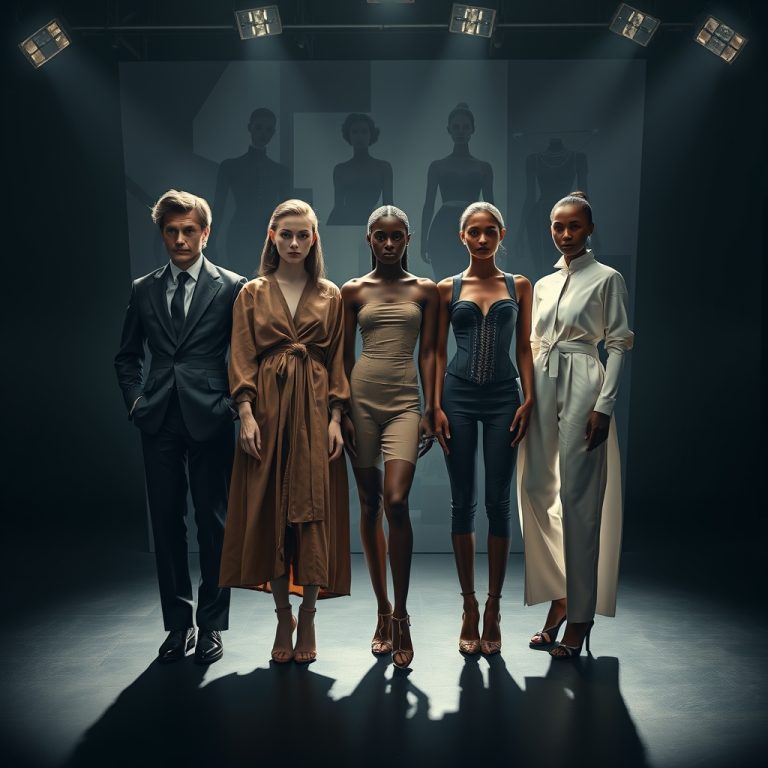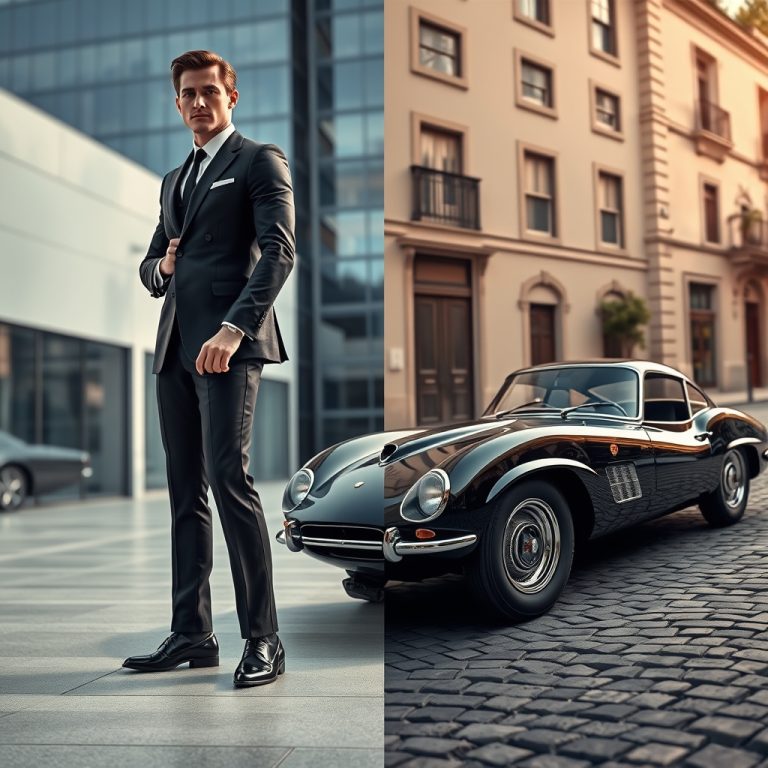
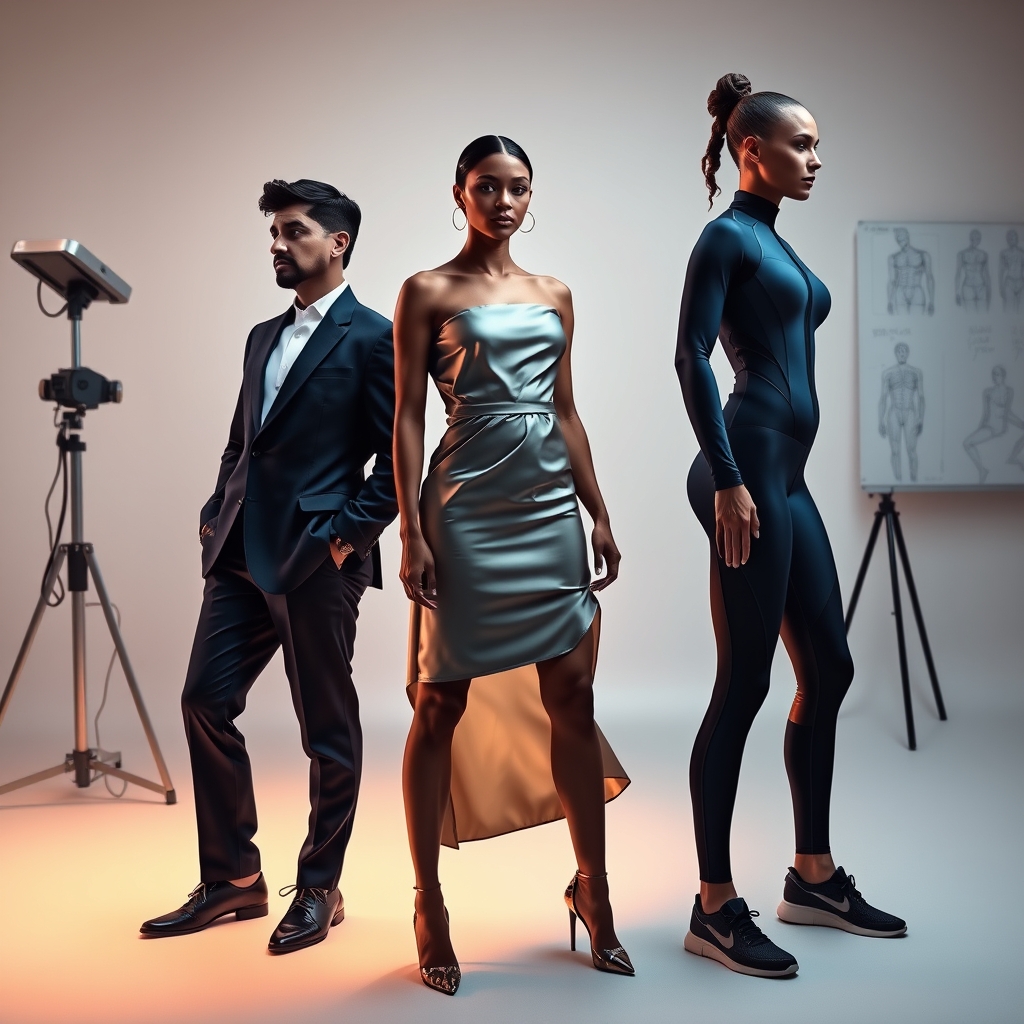
What if the way you move, stand, or even sit is silently broadcasting a story about who you are—before you utter a single word? Body style is more than just an aesthetic choice; it’s a dynamic interplay of form, function, and psychology that influences how we’re perceived and how we perform in the world. From the sharp lines of a tailored suit to the fluid drape of athletic wear, every silhouette carries meaning, shaping interactions, confidence, and even physical capability. Yet, despite its profound impact, body style remains one of the most overlooked tools in personal and professional branding.
The Science Behind Body Style: Why Silhouettes Matter
Silhouettes are the foundation of body style, acting as a visual shorthand for identity. Research in cognitive psychology reveals that humans process shapes and proportions within milliseconds, forming instant judgments about competence, trustworthiness, and even mood. A study published in the Journal of Experimental Psychology found that individuals wearing structured, angular clothing were perceived as more authoritative, while those in softer, rounded silhouettes were seen as approachable. This isn’t mere coincidence—it’s a subconscious response to the way body proportions interact with cultural conditioning.
But the influence of body style extends beyond perception. Ergonomic studies demonstrate that clothing design directly impacts physical performance. For example, compression garments enhance muscle efficiency by improving blood flow, while loose-fitting layers can hinder movement in high-intensity activities. The key lies in understanding how aesthetic design and functional engineering intersect to create a silhouette that serves both form and purpose.
Body Style in the Modern Wardrobe: Balancing Trends and Timelessness
The fashion industry thrives on reinvention, yet the most enduring body styles are those that transcend fleeting trends. Consider the tailored blazer—a staple in both corporate and casual wardrobes. Its structured shoulders and defined waist create a powerful silhouette that commands attention, but its versatility lies in its ability to adapt. Pair it with trousers for a boardroom-ready look, or layer it over a graphic tee for a contemporary edge. This duality highlights a critical truth: body style is not about rigid conformity but about strategic expression.
However, the rise of fast fashion has muddied the waters. Mass-produced garments often prioritize quantity over quality, leading to ill-fitting pieces that distort natural proportions. The result? A wardrobe that undermines rather than enhances personal style. To counter this, experts recommend investing in foundational pieces—think well-cut trousers, fitted dresses, and structured outerwear—that flatter the body’s unique geometry. These items act as a canvas, allowing for creative layering and accessorizing without sacrificing coherence.
The Role of Fabric in Defining Body Style
Fabric choice is the unsung hero of body style. A garment’s silhouette is only as effective as the material that shapes it. Stiff fabrics like wool or denim hold their structure, creating sharp, defined lines, while softer materials like jersey or silk drape fluidly, accentuating movement. The interplay between fabric and silhouette can transform a simple outfit into a statement. For instance, a bias-cut dress in silk clings to the body in a way that celebrates natural curves, while a boxy linen shirt exudes effortless nonchalance.
Moreover, fabric technology has evolved to enhance both aesthetics and performance. Moisture-wicking synthetics, stretch-infused weaves, and temperature-regulating textiles allow modern garments to adapt to the wearer’s needs. This fusion of innovation and tradition redefines body style for the 21st century, proving that functionality need not come at the expense of elegance.
Body Style as a Tool for Personal Reinvention
Clothing is often described as a second skin, but what if it could also be a catalyst for change? Body style has the power to alter not just how others see us, but how we see ourselves. The phenomenon of enclothed cognition, a term coined by researchers Hajo Adam and Adam Galinsky, demonstrates that the symbolic meaning of clothing influences cognitive processes. Wearing a lab coat, for example, was found to enhance attention to detail—a principle that applies to any garment imbued with personal significance.
This psychological leverage makes body style a potent tool for reinvention. Whether navigating a career transition, stepping into a new social role, or simply redefining self-image, the right silhouette can bridge the gap between aspiration and reality. The key is intentionality. Instead of defaulting to trends, consider what proportions and design elements align with your goals. Do you need to project authority? Opt for structured shoulders and a defined waist. Seeking creativity? Experiment with asymmetrical hemlines or layered textures.
Cultural Shifts and the Future of Body Style
The conversation around body style is evolving alongside societal values. The push for inclusivity has challenged traditional beauty standards, prompting designers to rethink silhouettes for diverse body types. Brands like Chromat and Universal Standard are leading the charge, offering garments that celebrate rather than conceal individuality. This shift isn’t just ethical—it’s practical. A one-size-fits-all approach to body proportions is as outdated as it is ineffective.
Looking ahead, technology will play an even greater role in personalizing body style. 3D body scanning, AI-driven styling tools, and custom-fit algorithms are making it easier than ever to curate a wardrobe that aligns with both aesthetic preferences and functional needs. The future of body style lies in its ability to adapt—not just to trends, but to the unique contours of the human experience.
Ultimately, mastering body style is about more than looking good; it’s about feeling empowered. The right silhouette doesn’t just complement your physique—it amplifies your presence, sharpens your focus, and communicates your intentions without a word. Whether you’re dressing for a boardroom, a gym session, or a night out, the art lies in choosing proportions that serve you, not the other way around. Start by auditing your wardrobe: identify the pieces that make you feel unstoppable, and build from there. After all, the most compelling body style isn’t the one that follows the rules—it’s the one that rewrites them.
About the Author