Imagine cruising down a winding mountain road, your car hugging every curve with effortless precision. The engine hums, the tires grip the asphalt, and you feel an unshakable confidence in the machine beneath you. What makes this experience possible isn’t just the engine’s power or the driver’s skill—it’s the unsung hero of the automotive world: the chassis. Often overlooked, the chassis is the backbone of every vehicle, silently dictating how it handles, protects, and performs. Without it, even the most advanced engines or cutting-edge tech would be rendered useless.
The Foundation of Every Great Vehicle: What Is a Chassis?
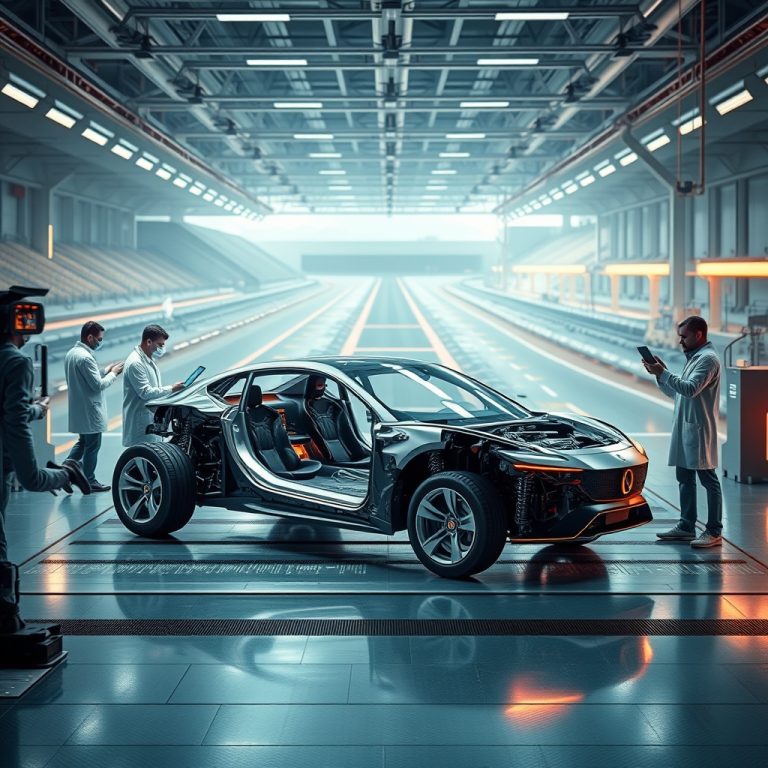
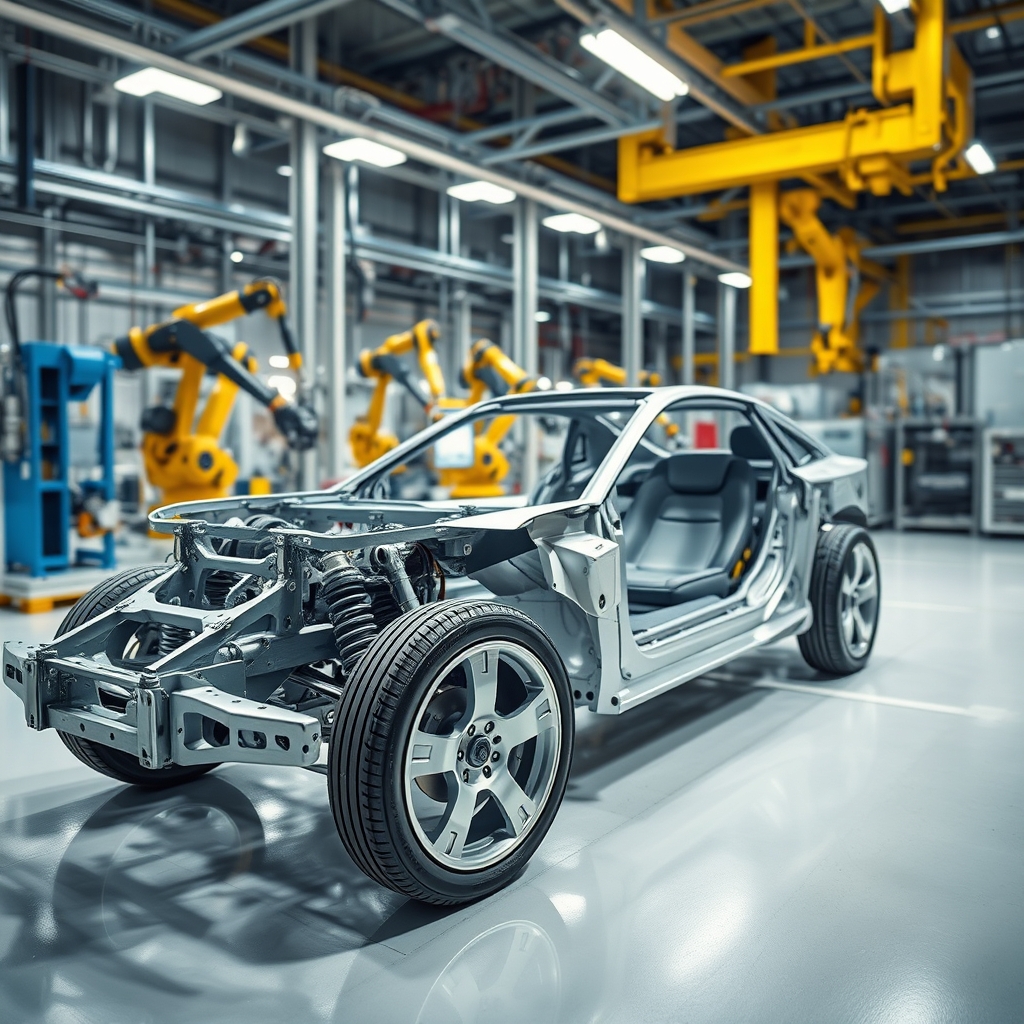
At its core, the chassis is the structural framework of a vehicle, supporting everything from the engine and suspension to the body panels and interior. Think of it as the skeleton that holds the entire automotive ecosystem together. Modern chassis designs are far from the simple steel frames of the past. Today, they incorporate advanced materials like high-strength steel, aluminum, carbon fiber, and even composites to balance strength, weight, and flexibility.
But why does this matter? A well-engineered chassis doesn’t just keep the car together—it enhances safety, improves handling, and even boosts fuel efficiency. For instance, a lighter chassis reduces the vehicle’s overall weight, allowing the engine to work more efficiently. Meanwhile, a stiffer chassis improves cornering stability, giving drivers better control during high-speed maneuvers or emergency situations.
Safety First: How Chassis Design Protects Lives
When it comes to automotive safety, the chassis plays a starring role. In a collision, the chassis is the first line of defense, absorbing and distributing impact forces to protect occupants. Modern chassis designs incorporate crumple zones—specific areas engineered to deform in a controlled manner during a crash. These zones dissipate energy, reducing the force transferred to the passenger cabin.
Take, for example, the evolution of unibody construction. Unlike older body-on-frame designs, unibody chassis integrate the frame and body into a single structure. This approach not only reduces weight but also improves crashworthiness by spreading impact forces more evenly. The result? Vehicles that are safer, more efficient, and more responsive on the road.
But safety isn’t just about surviving a crash—it’s also about preventing one. Advanced chassis designs incorporate features like electronic stability control (ESC) and traction control, which rely on the chassis’s rigidity to function effectively. A well-tuned chassis ensures these systems can intervene precisely when needed, keeping the vehicle stable and the driver in control.
The Role of Materials in Modern Chassis Design
The materials used in automotive chassis construction have evolved dramatically over the years. Traditional steel frames, while strong, are heavy and can compromise fuel efficiency. Enter aluminum and carbon fiber—materials that offer comparable strength at a fraction of the weight. For example, the use of aluminum in the chassis of vehicles like the Audi A8 or Tesla Model S has significantly reduced their curb weight, improving both performance and range.
Carbon fiber, though expensive, is becoming increasingly popular in high-performance and luxury vehicles. Its exceptional strength-to-weight ratio allows for chassis designs that are both lightweight and incredibly rigid. This translates to better handling, faster acceleration, and improved fuel economy—all without sacrificing safety.
Performance and Comfort: The Chassis’s Dual Role
A great chassis doesn’t just keep you safe—it also makes driving more enjoyable. Performance-oriented chassis designs prioritize rigidity and responsiveness, allowing the vehicle to react instantly to driver inputs. This is why sports cars often feature reinforced chassis with advanced suspension systems. The stiffer the chassis, the more precise the handling, whether you’re navigating tight corners or accelerating down a straightaway.
But performance isn’t the only consideration. Comfort is equally important, especially in everyday vehicles. A well-designed chassis absorbs road imperfections, reducing vibrations and noise in the cabin. This is where advanced suspension systems and chassis tuning come into play. By carefully balancing stiffness and flexibility, engineers can create a ride that’s both sporty and smooth, catering to a wide range of driving conditions.
The Future of Chassis Design: Smarter, Lighter, and More Adaptive
The next frontier in automotive chassis design is all about adaptability. Imagine a chassis that can adjust its stiffness in real-time, optimizing for comfort on rough roads or performance on a racetrack. This isn’t science fiction—it’s the direction the industry is heading. Companies like BMW and Mercedes-Benz are already experimenting with adaptive chassis systems that use sensors and AI to adjust damping and stiffness on the fly.
Another exciting development is the integration of electric vehicle (EV) platforms. EVs require unique chassis designs to accommodate heavy battery packs while maintaining structural integrity. Tesla’s skateboard chassis, for example, places the battery low in the vehicle, lowering the center of gravity and improving handling. This approach is becoming a blueprint for future EV designs, blending performance, safety, and efficiency in ways traditional chassis never could.
Why Chassis Design Deserves Your Attention
The next time you get behind the wheel, take a moment to appreciate the invisible marvel beneath you. The chassis is the unsung hero of the automotive world, silently working to keep you safe, enhance your driving experience, and push the boundaries of what’s possible. Whether you’re driving a compact sedan, a rugged SUV, or a high-performance sports car, the chassis is the foundation that makes it all possible.
As automotive technology continues to evolve, so too will chassis design. From lightweight materials to adaptive systems, the future promises even greater advancements in safety, performance, and comfort. And while the chassis may never steal the spotlight, its impact on the way we drive is undeniable. So, the next time you hit the road, remember: the real magic isn’t just under the hood—it’s beneath your feet.
About the Author