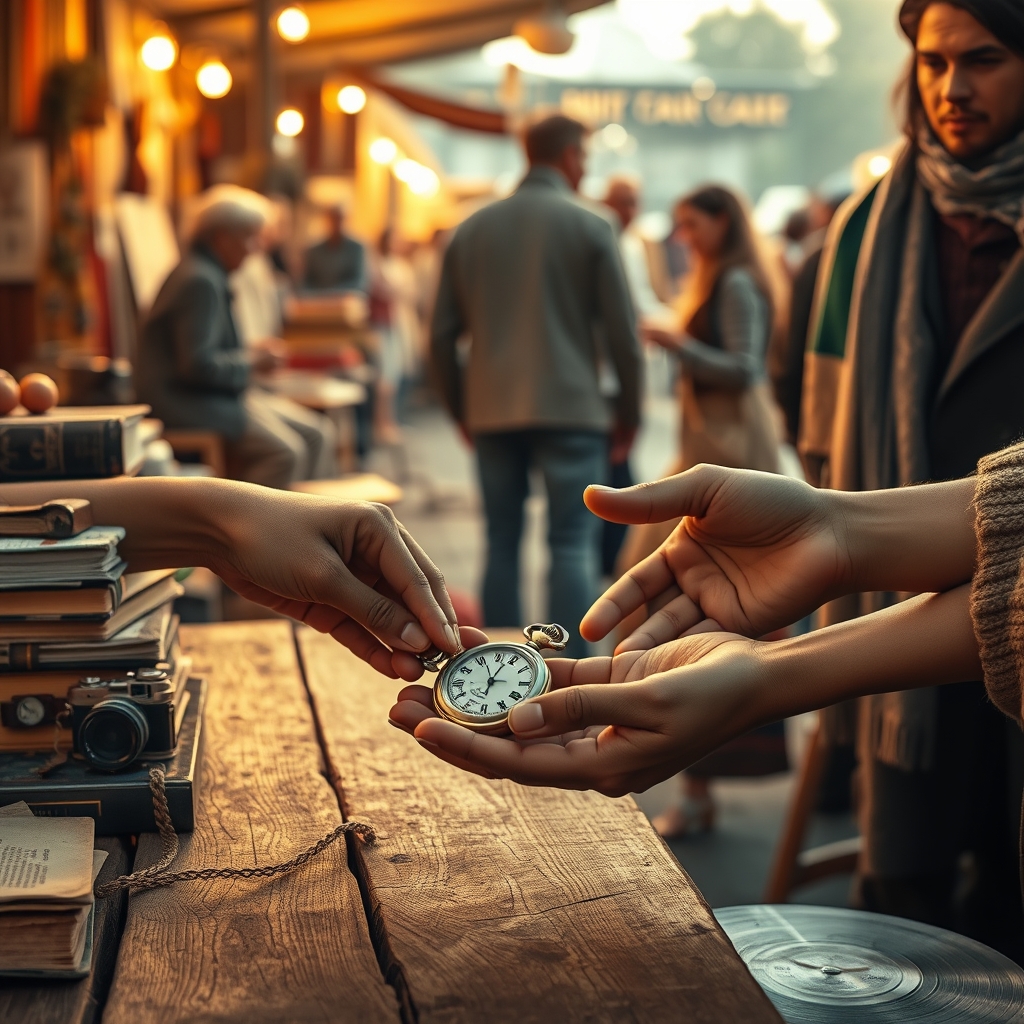
There is a quiet magic in the moment you decide to part with something you once held dear. It’s not just about the transaction—it’s about the stories, the memories, and the unspoken promise of what comes next. When you sell and trade-in, you’re not merely exchanging goods for currency; you’re participating in a cycle of renewal, where every object carries the potential to begin anew. This is the art of letting go, not with regret, but with the quiet certainty that value is never lost—only transformed.
The Alchemy of Letting Go: Why Sell and Trade-In Feel Like Liberation
We live in a world that often equates possession with permanence. The things we own become extensions of ourselves, woven into the fabric of our daily lives. Yet, there comes a time when the weight of what we hold onto begins to feel less like security and more like stagnation. That’s when the decision to sell and trade-in becomes an act of courage—a willingness to trust that what no longer serves you can still hold immense value for someone else.
This process is rarely just about the money. It’s about the space you create, both physically and emotionally. A cluttered home can mirror a cluttered mind, and the act of releasing what no longer aligns with your present self can feel like a breath of fresh air. It’s not about discarding; it’s about curating a life that reflects who you are now, not who you were when you first acquired that item.
And then there’s the unexpected joy of discovery. When you trade-in an old device, a piece of furniture, or even a collection of books, you’re not just making room—you’re making way for something new. That old smartphone might fund the next chapter of someone else’s digital life, while your gently used armchair could become the centerpiece of a cozy reading nook in another home. The cycle of exchange is a dance of give and take, where every transaction ripples outward, touching lives in ways you may never see.
The Hidden Currency of Sell and Trade-In: More Than Just Dollars and Cents
Value is a slippery thing. We’re conditioned to measure it in numbers, in the crisp edges of bills or the digits on a screen. But when you sell and trade-in, you begin to understand that worth is far more nuanced. It’s in the relief of a burden lifted, the satisfaction of a deal well-made, the quiet thrill of knowing you’ve given an object a second chance to shine.
Consider the emotional weight of an heirloom. A piece of jewelry passed down through generations carries stories that no price tag could ever capture. Yet, when the time comes to trade-in such an item, it’s not a betrayal of its history—it’s an acknowledgment that its journey isn’t over. The value of that heirloom isn’t diminished; it’s simply evolving, ready to become part of another family’s legacy.
Then there’s the environmental dimension, often overlooked but deeply significant. In a world drowning in waste, the decision to sell and trade-in is a small but powerful act of resistance. It’s a refusal to contribute to the cycle of disposability, a choice to honor the resources and craftsmanship that went into creating something in the first place. Every item that finds a new home is one less item languishing in a landfill, and that’s a kind of value that transcends any balance sheet.
The Dance of Negotiation: How Sell and Trade-In Become a Conversation
There’s an art to the exchange, a delicate balance of give and take that turns a simple transaction into something almost poetic. When you sell and trade-in, you’re not just bartering over price—you’re engaging in a dialogue. It’s a conversation that begins with a question: What is this worth, not just to me, but to you?
This dialogue requires empathy. It asks you to step outside your own attachment and consider the perspective of the buyer or the seller on the other side. What might seem like a fair price to you could feel like a steal to someone else, and vice versa. The magic happens in that space between, where both parties walk away feeling like they’ve gained something—not just in material terms, but in the intangible satisfaction of a deal well-struck.
And let’s not forget the role of platforms and marketplaces in this dance. Whether you’re listing an item online, visiting a local pawn shop, or trading in at a retail store, these spaces act as bridges, connecting people across distances and differences. They’re the modern-day agoras, where the exchange of goods becomes a thread in the larger tapestry of human connection. In this way, sell and trade-in</ become more than transactions—they become stories waiting to unfold.
The Unseen Threads: How Every Sell and Trade-In Connects Us
It’s easy to think of sell and trade-in as solitary acts, something you do in isolation. But the truth is far more beautiful. Every time you part with something, you’re adding a thread to a vast, invisible web of exchange that spans cultures, generations, and geographies. That vintage record you sold might end up in the hands of a collector halfway across the world, while the car you traded in could become someone’s first set of wheels, carrying them toward new adventures.
These connections are the heartbeat of the trade-in economy. They remind us that we’re not just individuals navigating our own lives—we’re part of something larger. Our choices ripple outward, touching lives in ways we may never fully grasp. There’s a humility in that, a recognition that our possessions are temporary, but the impact of how we choose to part with them can be lasting.
So the next time you find yourself hesitating before listing an item or walking into a store to trade-in, remember this: you’re not just making a transaction. You’re participating in a tradition as old as humanity itself, one that honors the past while making space for the future. And in that space, between what was and what could be, lies the quiet beauty of the exchange.
The objects we hold onto are more than just things—they’re vessels of memory, of potential, of connection. When you choose to sell and trade-in, you’re not just letting go; you’re passing the torch. And in doing so, you’re ensuring that the stories embedded in those objects continue to unfold, long after they’ve left your hands. That’s the true power of the exchange: it’s not an ending, but a beginning, waiting to be written.
About the Author