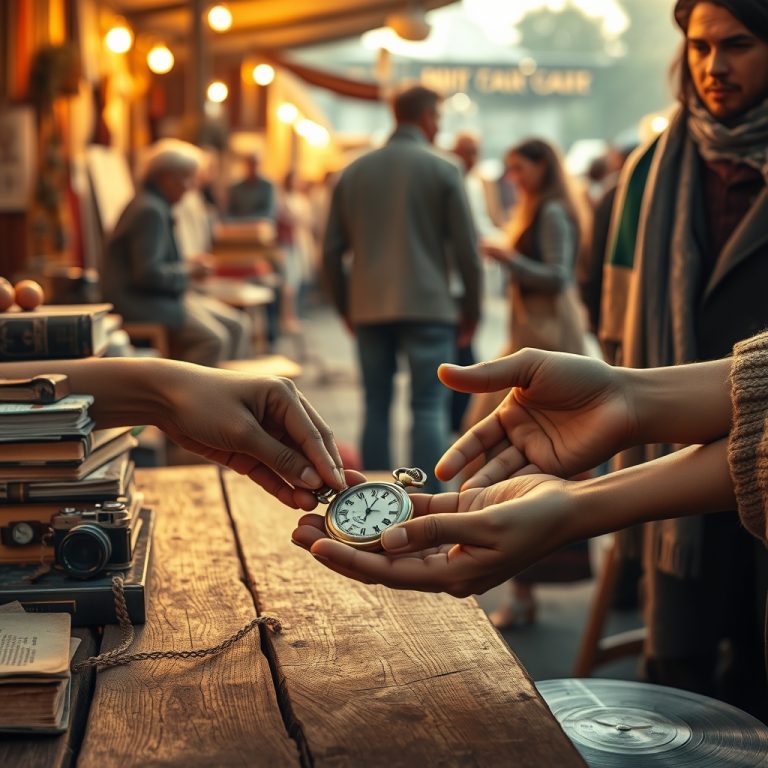

There is a quiet magic in the moment you decide to part with something you once held dear. The weight of a decision to sell and trade-in is not just about clearing space on a shelf or balancing a budget—it is an act of trust, a leap into the unknown where your past meets someone else’s future. Every item we release into the world carries a fragment of our story, and in that exchange, we invite another chapter to begin.
The Emotional Currency of Letting Go
We often think of transactions as cold, calculated exchanges of goods for money. But when you pause to consider the journey of a single object—from the hands that first cherished it to the ones that will rediscover it—you realize there is something deeply human at play. The guitar that once echoed with your late-night melodies, the camera that captured your most vivid memories, or the armchair that cradled you through seasons of change—these are not just items. They are vessels of meaning.
To sell and trade-in is to acknowledge that value is not static. It shifts, evolves, and sometimes, it even multiplies. The vintage record player you no longer use might become the centerpiece of a stranger’s living room, spinning stories they’ve yet to hear. The bicycle gathering dust in your garage could carry a child on their first solo ride. In this way, letting go becomes an act of generosity, a way of passing the torch of experience to someone else.
The Alchemy of Renewal
What if we viewed trade-in programs not as mere financial transactions, but as rituals of renewal? There is a certain poetry in the way objects transform when they change hands. A well-loved book, its pages softened by time, finds a new reader who will underline passages that resonate with their own life. A piece of furniture, worn in all the right places, becomes a canvas for another family’s memories.
This alchemy is not just about the physical item—it’s about the energy it carries. When you choose to sell and trade-in, you are not just exchanging an object for cash or credit. You are participating in a cycle of reinvention, where the old is not discarded but reborn. It’s a reminder that nothing is ever truly lost; it simply finds a new form.
The Hidden Economy of Second Chances
In a world obsessed with the new, the act of giving items a second life feels almost rebellious. Yet, this hidden economy of second chances is thriving, and it’s more than just a trend—it’s a movement. Platforms that facilitate selling and trading in are not just marketplaces; they are communities where stories intersect, where the history of one person becomes the starting point for another.
Consider the thrill of stumbling upon a treasure in a thrift store or an online listing. There’s a sense of serendipity, as if the universe conspired to bring that particular item into your life at that exact moment. It’s not just about the price tag; it’s about the connection. The previous owner’s care, the item’s journey, the way it fits into your life now—all of these layers add depth to the transaction.
Why Intentionality Matters
Not all trade-in and sell experiences are created equal. The difference often lies in the intention behind the exchange. When you approach the process with mindfulness, you’re not just decluttering—you’re curating. You’re asking yourself: *Does this item still serve me? Could it serve someone else better?* This shift in perspective turns a mundane task into a meaningful practice.
Intentionality also means being honest about an item’s worth—not just its monetary value, but its emotional and functional significance. A well-maintained tool might be worth more to a craftsman than to a casual user. A designer handbag could hold sentimental value for someone who admires its history. By recognizing these nuances, you honor the item’s journey and ensure it finds the right home.
The Ripple Effect of Thoughtful Exchange
The beauty of selling and trading in lies in its ripple effect. One decision to pass on an item can set off a chain reaction of positive change. The money you earn might fund a new passion project. The space you create could invite fresh energy into your home. The person who receives your item might find inspiration, comfort, or joy in something you once loved.
This ripple extends beyond the individual, too. By choosing to trade in electronics, for example, you’re reducing e-waste and supporting a more sustainable future. By selling gently used clothing, you’re challenging the fast-fashion industry’s wasteful cycle. Every thoughtful exchange is a small but powerful vote for a world where value is measured not by newness, but by meaning.
How to Begin Your Own Exchange Story
If you’ve been holding onto items out of habit or hesitation, consider this your invitation to start your own exchange story. Begin with something small—a book you’ve already read, a kitchen gadget you rarely use—and ask yourself: *Who else might find joy in this?* Research local trade-in programs or online marketplaces that align with your values. Take the time to write a thoughtful description, sharing not just the item’s features, but its story.
As you prepare to let go, take a moment to reflect on what the item has given you. Gratitude can soften the transition, making the act of selling or trading in feel less like a loss and more like a gift. And who knows? The next chapter of that item’s journey might just be its most beautiful one yet.
The objects we choose to release are not just things—they are threads in the tapestry of our lives. When we sell and trade-in with intention, we weave those threads into someone else’s story, creating a pattern that is richer, more vibrant, and infinitely more meaningful. The next time you hold something in your hands and wonder if it’s time to let it go, remember: you’re not just making space. You’re making room for something new to begin.
About the Author