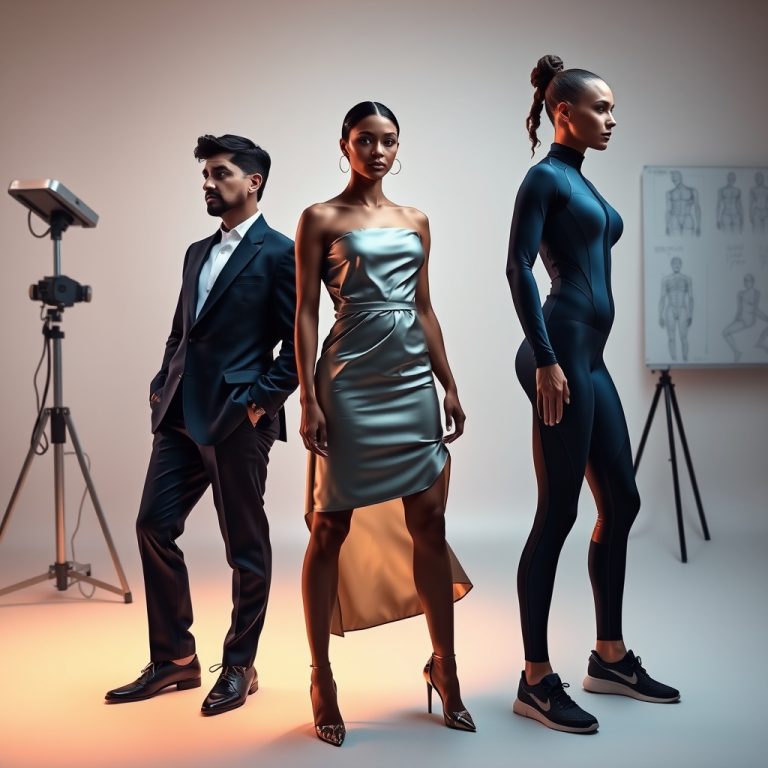
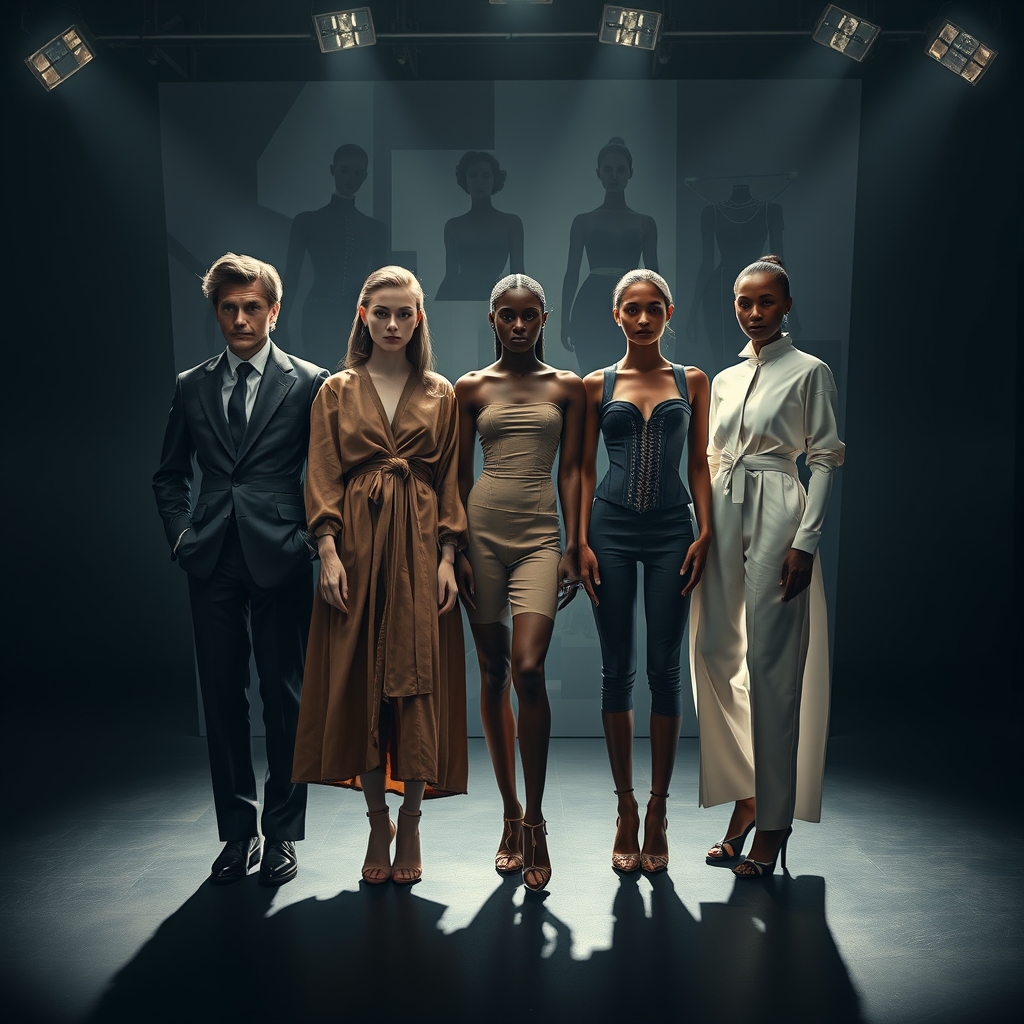
What if the way you dress isn’t just about personal taste, but a silent negotiation between identity and societal expectations? The body style you adopt—whether minimalist, avant-garde, or classic—serves as a visual manifesto, broadcasting unspoken beliefs about power, gender, and even economic status. Far from being a superficial choice, it’s a dynamic interplay between form and function, where every seam, cut, and fabric tells a story. Yet, in an era dominated by fast fashion and algorithm-driven trends, the deeper significance of body style often gets buried beneath the noise of mass production.
The Anatomy of Body Style: Beyond Aesthetic Preferences
At its core, body style is a deliberate curation of proportions, textures, and silhouettes that align with—or rebel against—cultural norms. Consider the structured tailoring of a power suit, which emerged in the early 20th century as women entered the workforce. Its sharp lines and padded shoulders weren’t merely fashionable; they were a sartorial declaration of authority in spaces historically dominated by men. Similarly, the loose, flowing robes of ancient civilizations weren’t just practical; they reflected communal values of modesty and egalitarianism.
Today, the resurgence of oversized streetwear and athleisure speaks to a shift in priorities. Comfort and versatility have overtaken rigid formality, mirroring a society that increasingly blurs the lines between work, leisure, and self-expression. But this evolution isn’t linear. The cyclical nature of body style reveals how deeply it’s tied to economic and political climates. During recessions, for instance, fashion often reverts to nostalgic or utilitarian designs, as seen in the 1930s and post-2008 eras, where simplicity and durability became virtues.
Silhouettes as Social Commentary
Every era’s dominant silhouettes act as a barometer for societal attitudes. The corseted waists of the Victorian era, for example, weren’t just about aesthetics; they were a physical manifestation of the era’s rigid gender roles. Fast forward to the 1920s, and the boyish flapper silhouette—with its dropped waists and shorter hemlines—challenged those very norms, symbolizing women’s newfound liberation and economic independence.
In contemporary fashion, the rise of gender-fluid body styles further dismantles traditional binaries. Designers like Harris Reed and brands such as Telfar have redefined proportions, creating garments that prioritize fluidity over fixed categories. This isn’t just a trend; it’s a cultural reckoning, where clothing becomes a tool for visibility and resistance. The question then arises: Are these shifts in body style driving societal change, or merely reflecting it?
The Psychology of Proportions: Why Certain Silhouettes Resonate
Human perception is wired to respond to proportions, a phenomenon rooted in both biology and psychology. The golden ratio, a mathematical principle found in nature, has long influenced design, from architecture to fashion. When a garment adheres to these proportions, it feels inherently pleasing, even if the wearer can’t articulate why. This explains why certain body styles—like the hourglass figure or the broad-shouldered power silhouette—persist across decades, despite evolving trends.
But psychology also plays a role in how we interpret body style. Studies in enclothed cognition reveal that the clothes we wear can alter our behavior and self-perception. A 2012 study published in the Journal of Experimental Social Psychology found that participants wearing a lab coat performed better on attention-related tasks, suggesting that clothing can prime the brain for specific outcomes. This principle extends to body style: a structured blazer might evoke confidence, while a flowing maxi dress could signal relaxation or introspection.
The Role of Fabric and Texture
While silhouettes shape the visual impact of body style, fabric and texture add layers of meaning. Luxurious materials like silk or cashmere often signal status, while rugged textiles like denim or canvas convey practicality and resilience. The tactile experience of clothing also influences how it’s perceived. A stiff, starched collar communicates formality, whereas a soft, draped neckline feels more approachable.
In recent years, sustainability has further complicated the relationship between fabric and body style. The rise of upcycled materials and zero-waste patterns reflects a growing awareness of fashion’s environmental impact. Brands like Marine Serre and Stella McCartney are redefining body style by prioritizing ethical production, proving that aesthetics and responsibility aren’t mutually exclusive. This shift challenges consumers to reconsider not just how they look, but how their choices ripple outward.
Body Style in the Digital Age: The Paradox of Individuality and Homogenization
The internet has democratized fashion, giving rise to micro-trends and niche aesthetics at an unprecedented pace. Platforms like TikTok and Instagram allow individuals to experiment with body style in ways that were once limited to subcultures or elite circles. Yet, this freedom comes with a paradox: the more we seek individuality, the more homogenized our choices become. Algorithms prioritize engagement over originality, often pushing the same trends to millions of users simultaneously.
This tension is evident in the rise of core aesthetics—hyper-specific styles like cottagecore, dark academia, or gorpcore—which offer a sense of belonging while still allowing for personalization. However, the rapid turnover of these trends can feel exhausting, leaving little room for the slow, deliberate evolution of body style that once defined personal identity. The challenge, then, is to navigate this digital landscape without losing sight of what body style has always been: a deeply personal form of expression.
Reclaiming Agency in a Trend-Driven World
So how do we reconcile the desire for individuality with the pressures of a trend-driven culture? The answer lies in intentionality. Instead of chasing fleeting aesthetics, consider what your body style communicates about your values, lifestyle, and aspirations. Are you drawn to minimalism because it reflects a desire for simplicity, or does maximalism resonate because it celebrates abundance? The key is to treat body style as a dynamic language, one that evolves with you rather than dictating who you should be.
Start by auditing your wardrobe. Identify the pieces that make you feel most like yourself, and analyze why they work. Is it the fit, the fabric, or the way they align with your daily life? From there, build a capsule collection that prioritizes versatility and authenticity over trend cycles. Remember, the most compelling body styles aren’t those that follow the rules, but those that rewrite them. Whether you’re drawn to the androgynous tailoring of the 1970s or the deconstructed silhouettes of contemporary designers, the power lies in how you make it your own.
Ultimately, body style is more than a visual statement—it’s a dialogue between the self and the world. In a landscape saturated with noise, the most radical act might just be to listen to your own voice, stitch by stitch, silhouette by silhouette.
About the Author