Few elements in design carry as much weight as body style, yet its influence extends far beyond mere visual appeal. Whether in automotive engineering, fashion, or industrial design, the silhouette of an object dictates not just how it looks, but how it performs, adapts, and even communicates. The most iconic designs in history—from the sleek curves of a sports car to the structured lines of a tailored suit—owe their success to a deliberate fusion of form and function. But what makes a body style truly exceptional? It’s not just about standing out; it’s about solving problems before they’re even articulated.
The Engineering Logic Behind Body Style
At its core, body style is a response to constraints. Take automotive design, where aerodynamics govern every contour. A low-slung coupe isn’t just a stylistic choice; it’s a calculated reduction of drag to enhance speed and fuel efficiency. Similarly, the boxy profile of an SUV isn’t a rejection of elegance but a prioritization of cargo space and off-road capability. These decisions aren’t arbitrary—they’re the result of trade-offs between performance, usability, and market demands.
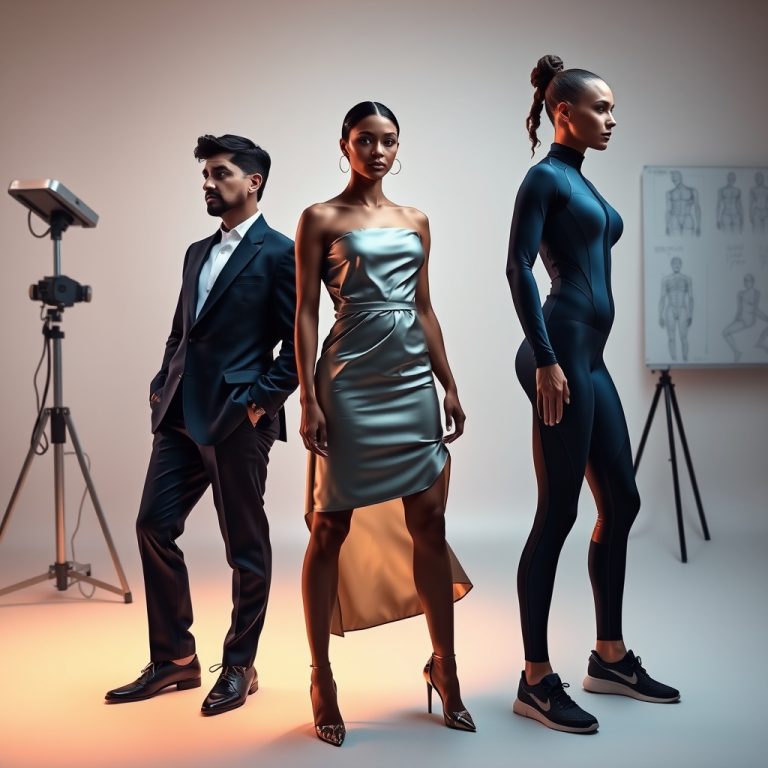
In fashion, the same principles apply. The exaggerated shoulders of 1980s power suits weren’t just a trend; they were a visual assertion of authority in corporate spaces. Meanwhile, the minimalist draping of modern athleisure reflects a shift toward versatility and comfort without sacrificing structure. The best designers don’t just chase trends; they decode the unspoken needs of their audience and translate them into silhouettes that feel inevitable.
How Proportions Dictate Perception
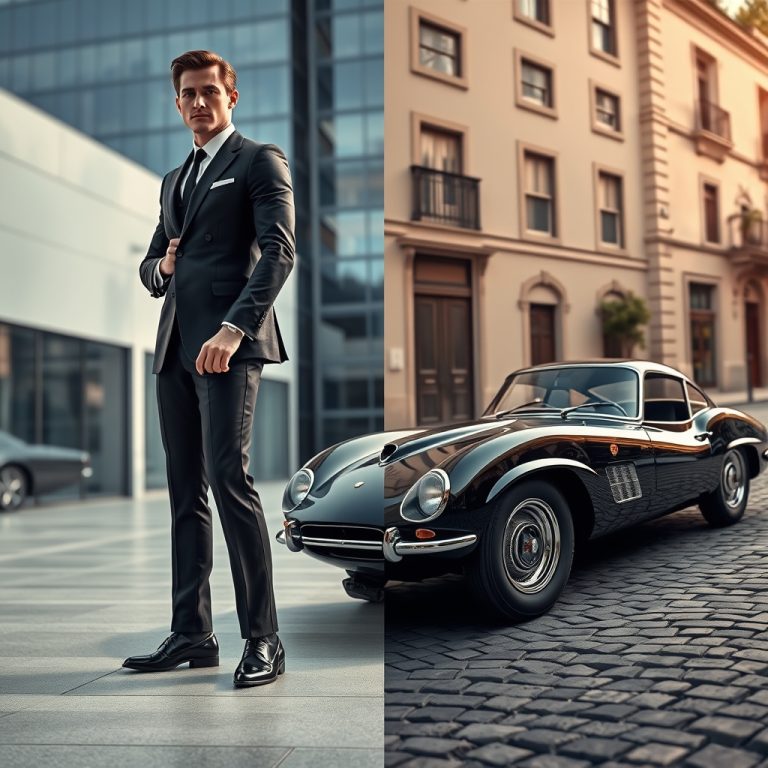
Proportions are the silent architects of perception. A car with a long hood and short rear, for example, conveys speed and luxury, even when stationary. This isn’t coincidence—it’s a subconscious cue rooted in decades of design language. The same logic applies to architecture, where the ratio of windows to walls can make a building feel inviting or imposing. Body style, in this sense, is a form of nonverbal communication, shaping how we interact with objects before we even touch them.
Consider the difference between a fitted blazer and an oversized one. The former signals precision and professionalism, while the latter leans into ease and modernity. Neither is inherently superior; their effectiveness depends entirely on context. The most enduring body styles are those that adapt to their environment without losing their identity.
The Role of Material in Defining Body Style
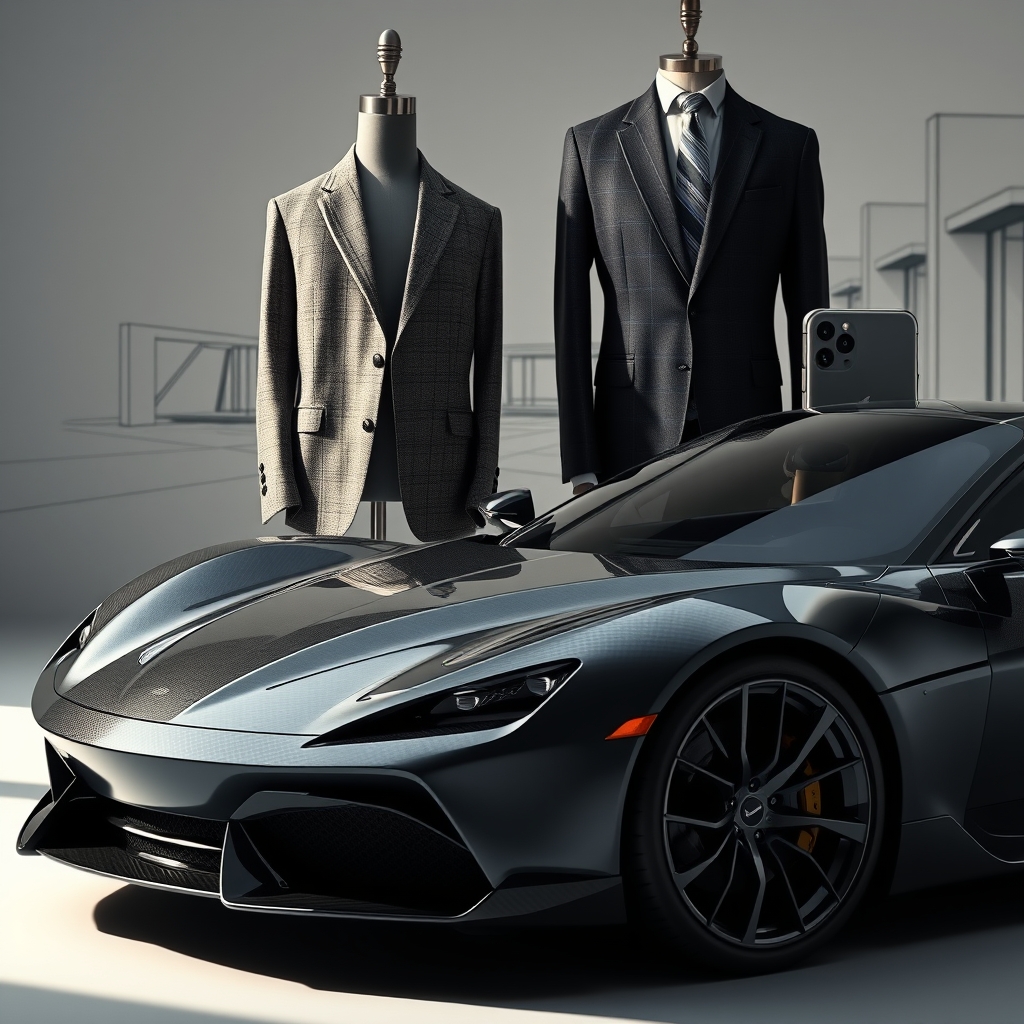
Silhouettes don’t exist in a vacuum—they’re shaped by the materials that bring them to life. A flowing chiffon dress and a structured leather jacket may share the same cut, but their body styles will feel entirely different. Materials dictate how a design moves, ages, and interacts with light, adding layers of meaning to the initial form. A carbon-fiber sports car, for instance, doesn’t just look fast; its texture and weight reinforce its performance credentials.
In product design, this relationship is even more critical. The seamless curves of a smartphone aren’t just about aesthetics; they’re a response to the limitations of glass and metal, balancing durability with tactile appeal. The best designers understand that body style isn’t just about the outline—it’s about how every element works in harmony to create a cohesive experience.
When Body Style Fails: The Pitfalls of Over-Design
Not all body styles succeed. Some prioritize novelty over function, resulting in designs that are striking but impractical. The automotive world is littered with examples of cars that sacrificed usability for bold lines, only to fade into obscurity. Similarly, fashion trends that ignore wearability often have short lifespans, no matter how visually arresting they may be.
The key to longevity lies in restraint. The most iconic body styles—think the little black dress or the classic sedan—are often the simplest. They avoid gimmicks in favor of timeless proportions that can adapt to changing tastes. This isn’t a rejection of innovation; it’s a recognition that the best designs solve problems without drawing attention to themselves.
The Future of Body Style: Sustainability and Adaptability
As design priorities shift, so too must body style. Sustainability is no longer an afterthought but a driving force in shaping silhouettes. Modular clothing, recyclable materials, and minimalist packaging are redefining what it means to create with intent. The challenge for designers is to balance these new constraints with the same level of ingenuity that defined past eras.
Adaptability is another frontier. With the rise of smart fabrics and 3D printing, body styles can now evolve in real time. Imagine a jacket that adjusts its insulation based on temperature or a car that alters its aerodynamics at the touch of a button. These innovations won’t just change how we interact with objects—they’ll redefine what body style can achieve.
The next time you encounter a design that resonates, take a moment to dissect its silhouette. Is it solving a problem? Does it communicate its purpose without words? The most powerful body styles don’t just catch the eye—they earn their place by making life simpler, more efficient, or more expressive. And in a world saturated with visual noise, that’s the rarest form of elegance.
About the Author