What if the way you dress—or the way a car is designed—communicates more about you than the words you choose? Body style is not merely a matter of aesthetics; it is a silent dialogue between form and function, a visual shorthand that reveals intent, status, and even personality. Whether in fashion, automotive design, or architecture, the proportions, lines, and contours of a body style shape perception before a single detail is noticed. The question is no longer whether body style matters, but how deeply it influences the way we navigate the world.
The Anatomy of Body Style: Beyond Surface-Level Appeal
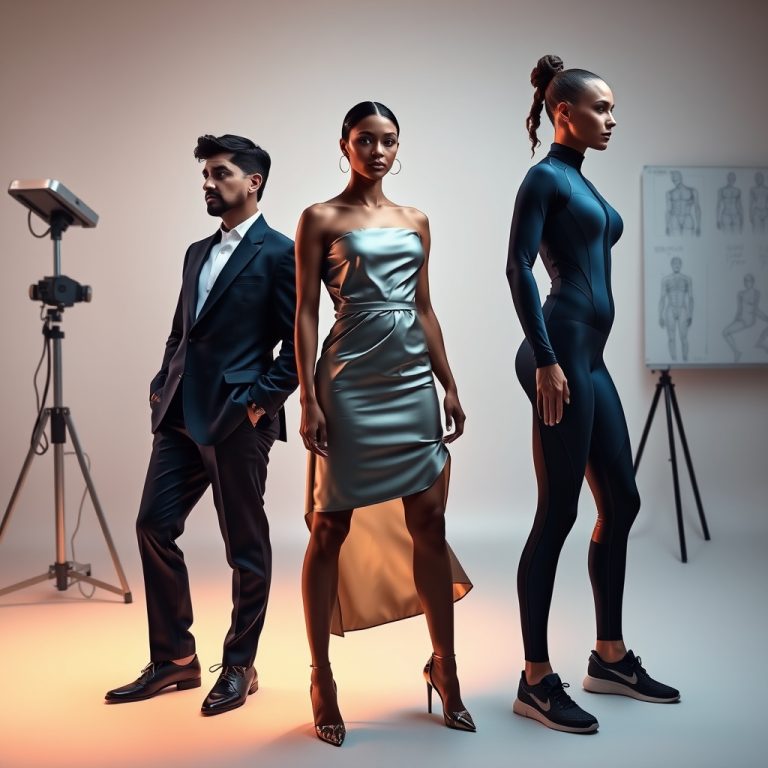
At its core, body style is a study in contrasts—balance versus asymmetry, fluidity versus rigidity, minimalism versus ornamentation. These choices are not arbitrary; they are deliberate responses to cultural, technological, and ergonomic demands. Consider the difference between a tailored suit and a loose-fitting kimono. The former emphasizes structure, projecting authority and precision, while the latter prioritizes movement and adaptability, reflecting a philosophy of harmony with the environment.
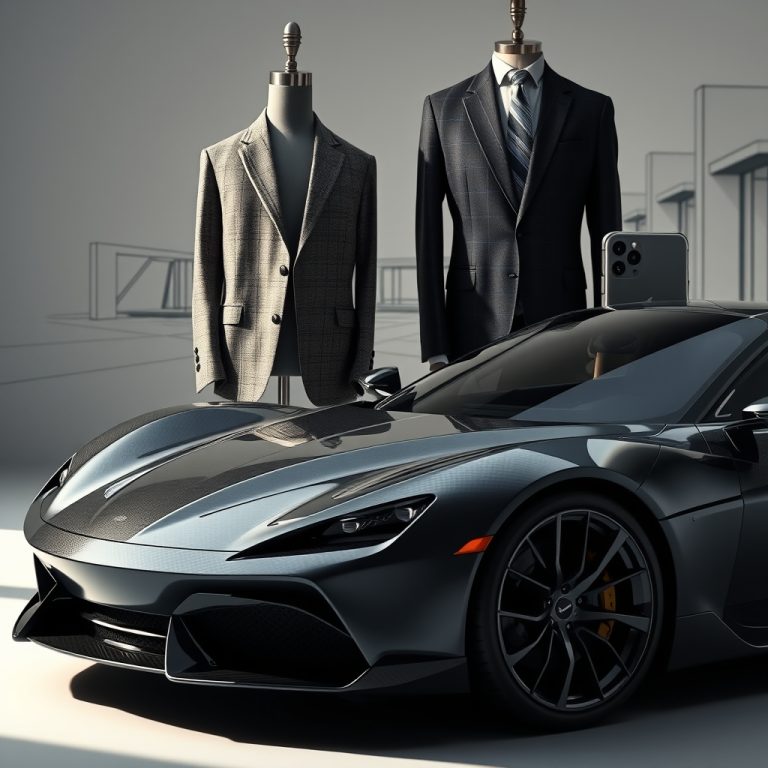
In automotive design, the same principles apply. A low-slung sports car with sharp angles conveys speed and aggression, while a boxy SUV suggests utility and dominance. These visual cues are not just about looks; they are engineered to evoke emotional responses. The human brain processes these signals almost instantaneously, often subconsciously, making body style a powerful tool for communication.
How Proportions Dictate Perception
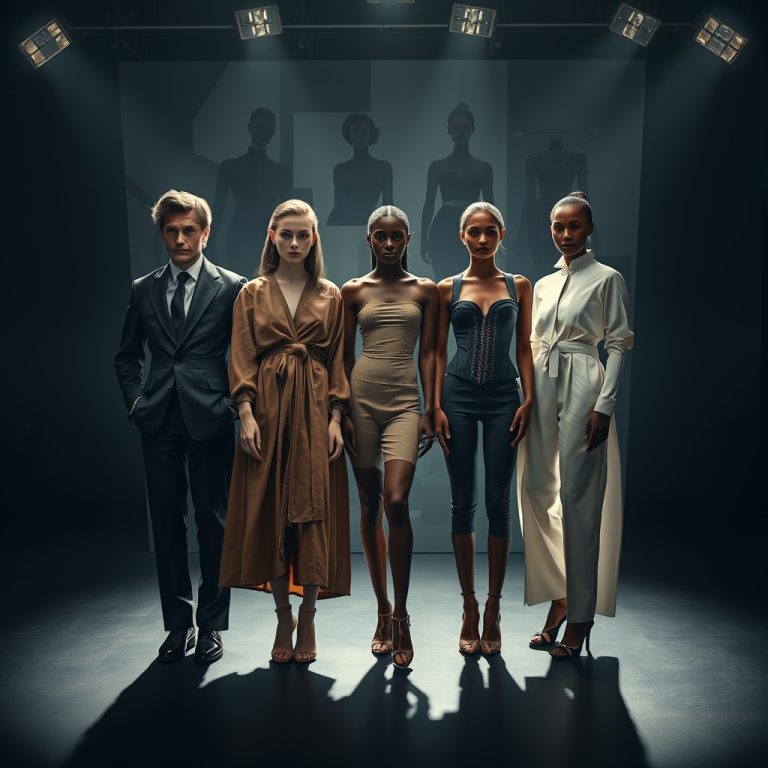
The golden ratio, a mathematical principle found in nature and art, is frequently employed in body style design to create visually pleasing proportions. When applied to fashion, it can elongate the silhouette, making the wearer appear taller or more statuesque. In architecture, it can make a building feel grand yet approachable. The key lies in the subtle manipulation of ratios—shoulders to waist, roof to chassis, or hemline to torso—to guide the viewer’s eye and shape their interpretation.
Yet, proportions alone do not tell the full story. The interplay of lines—whether clean and geometric or organic and flowing—adds another layer of meaning. A jagged, angular design might suggest modernity and innovation, while soft, curved lines evoke comfort and nostalgia. These choices are not merely stylistic; they are strategic, shaping how a product or individual is perceived in a crowded marketplace.
The Functional Underpinnings of Aesthetic Choices
Body style is often dismissed as superficial, but its roots are deeply functional. The flared fenders of a 1950s American muscle car were not just for show; they accommodated wider tires for better traction. Similarly, the high-waisted trousers of the 1940s were a practical response to fabric rationing during wartime, yet they also created a sleek, elongated leg line that became a lasting trend.
In contemporary design, functionality continues to drive aesthetic innovation. The rise of athleisure, for example, reflects a cultural shift toward versatility and comfort without sacrificing style. The body style of these garments—stretchy fabrics, ergonomic seams, and minimalist cuts—is a direct response to the demands of modern life, where the lines between work, leisure, and fitness are increasingly blurred.
When Form Follows Emotion
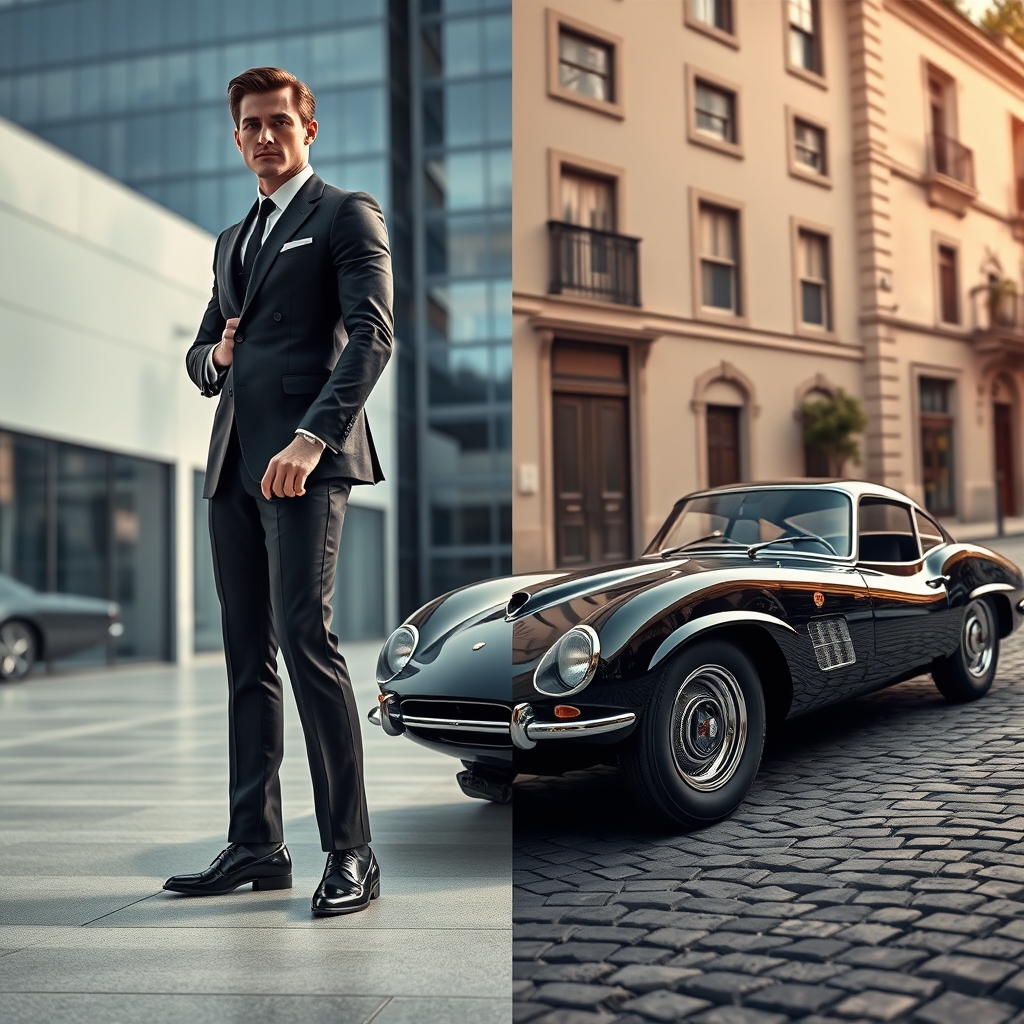
The most compelling body styles are those that transcend mere functionality to evoke emotion. A vintage Porsche 911’s sloping roofline is not just aerodynamic; it feels alive, as if it’s leaning into the wind. A well-cut blazer doesn’t just fit the body; it transforms posture, instilling confidence in the wearer. These emotional connections are what elevate body style from a design exercise to a cultural phenomenon.
Brands that understand this dynamic leverage body style to create loyalty. Apple’s minimalist product designs, for instance, are not just about clean lines; they are about projecting simplicity and sophistication. The body style of an iPhone or MacBook is instantly recognizable, reinforcing the brand’s identity without a single logo in sight. This is the power of body style—it communicates values before a single word is spoken.
The Future of Body Style: Adaptability in a Changing World
The evolution of body style is far from over. As technology advances, so too do the possibilities for design. 3D printing, for example, allows for custom-fit clothing and bespoke automotive parts, challenging traditional notions of mass production. Sustainability is another driving force, pushing designers to rethink materials and silhouettes to reduce waste without compromising aesthetics.
Virtual and augmented reality are also reshaping the landscape. In digital spaces, body style is no longer constrained by physical limitations. Avatars can adopt exaggerated proportions, surreal colors, or even defy gravity, opening up new avenues for self-expression. Yet, even in these virtual realms, the principles of body style remain relevant—balance, proportion, and intent still govern how we perceive and interact with digital forms.
The most enduring body styles are those that adapt without losing their essence. A classic trench coat, for instance, has evolved over a century, yet its core elements—epaulettes, a belted waist, and a water-resistant fabric—remain unchanged. This adaptability is the hallmark of great design, proving that body style is not about fleeting trends but about timeless communication.
Whether you’re selecting a wardrobe, designing a product, or simply observing the world around you, body style is a language worth mastering. It is the difference between being seen and being remembered, between blending in and standing out. The next time you encounter a striking silhouette, ask yourself: what is it really saying?
About the Author