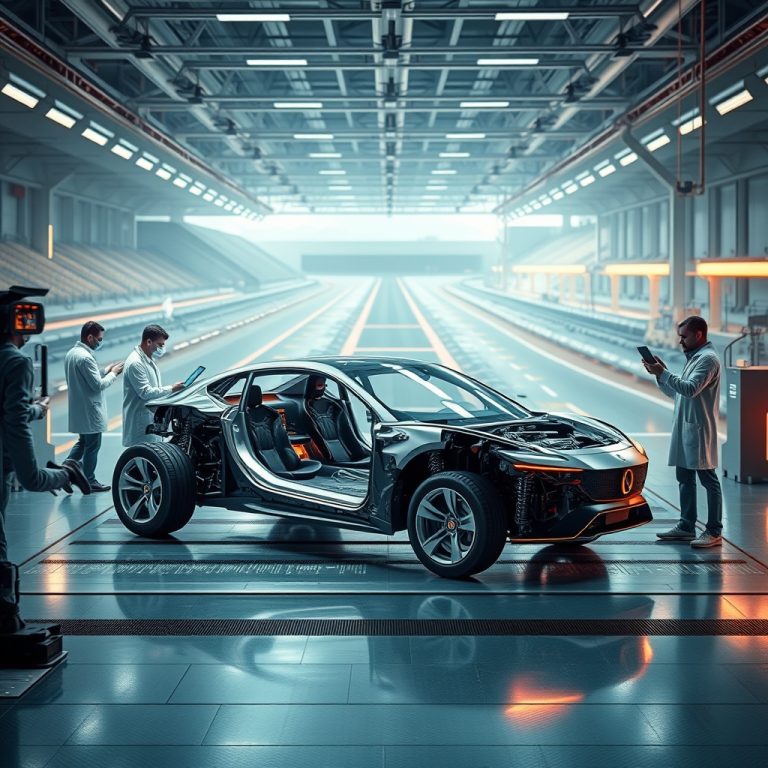

In the high-stakes world of automotive engineering, where every component is pushed to its limits, one critical aspect often flies under the radar: thermal management. While engines roar and tires screech, the silent battle against heat determines whether a vehicle performs at its peak or succumbs to the stresses of modern driving. From the scorching temperatures of a turbocharged engine to the delicate balance required in electric vehicle batteries, thermal management is the unsung hero ensuring reliability, efficiency, and longevity.
The Heat Beneath the Hood
Under the hood of any modern vehicle, temperatures can soar to extremes that would make even the most resilient materials wilt. Internal combustion engines, for instance, operate at temperatures exceeding 200°C (392°F), while turbochargers can push past 1,000°C (1,832°F) in some high-performance applications. Without effective thermal management, these components would degrade rapidly, leading to reduced performance, increased emissions, and even catastrophic failure. Cooling systems, whether liquid-based or air-cooled, are designed to dissipate this heat efficiently, but the challenge doesn’t end there.
In electric vehicles (EVs), thermal management takes on an even more complex role. Lithium-ion batteries, the heart of EVs, are highly sensitive to temperature fluctuations. Operating outside their optimal temperature range—typically between 20°C and 40°C (68°F and 104°F)—can lead to reduced capacity, shorter lifespan, and in extreme cases, thermal runaway, a dangerous chain reaction that can result in fires. This is where advanced thermal management systems step in, using liquid cooling, phase-change materials, and even active heating to maintain the delicate balance required for peak performance.
The Science of Staying Cool
Modern thermal management systems are a far cry from the simple radiators of the past. Today, they incorporate a range of cutting-edge technologies designed to tackle heat in ways that were once unimaginable. One such innovation is the use of thermal interface materials (TIMs), which fill microscopic gaps between components to improve heat transfer. These materials, often made from advanced polymers or metals, ensure that heat is conducted away from critical parts like processors, power electronics, and batteries with minimal resistance.
Another game-changer is the integration of smart thermal management systems. These systems use sensors and algorithms to monitor temperatures in real-time, adjusting cooling or heating as needed. For example, in an EV, the system might prioritize cooling the battery during fast charging or heating it in cold weather to ensure optimal performance. This level of precision not only enhances efficiency but also extends the lifespan of components, reducing the need for costly repairs or replacements.
The Role of Aerodynamics and Design
Thermal management isn’t just about what happens under the hood—it’s also about how the vehicle interacts with its environment. Aerodynamic design plays a crucial role in dissipating heat, particularly in high-performance and electric vehicles. By optimizing airflow around the vehicle, engineers can reduce drag while ensuring that hot air is efficiently channeled away from critical components. This is why you’ll often see sleek, streamlined designs in sports cars and EVs, where every millimeter of airflow is carefully considered.
In addition to aerodynamics, materials science has also made significant strides in thermal management. Advanced composites, ceramics, and even graphene are being used to create components that can withstand extreme temperatures while remaining lightweight. These materials not only improve performance but also contribute to fuel efficiency and sustainability, aligning with the broader goals of the automotive industry.
The Future of Thermal Management
As vehicles become more advanced, the demands on thermal management systems will only grow. The rise of autonomous driving, for example, introduces new challenges, as the powerful computers and sensors required for self-driving capabilities generate significant heat. Similarly, the push toward higher-performance EVs with faster charging times will require even more sophisticated thermal solutions to prevent overheating and ensure safety.
One promising avenue is the development of integrated thermal management systems that combine cooling, heating, and energy recovery into a single, cohesive unit. These systems could use waste heat from the engine or battery to warm the cabin, improving overall efficiency. Another exciting development is the use of artificial intelligence to predict and manage thermal loads, allowing vehicles to adapt to changing conditions in real-time.
Sustainability and Thermal Management
In an era where sustainability is a top priority, thermal management is also playing a key role in reducing the environmental impact of vehicles. By improving the efficiency of engines and batteries, these systems help reduce fuel consumption and emissions. Additionally, innovations like waste heat recovery can turn excess thermal energy into usable power, further enhancing efficiency. As the automotive industry continues to evolve, thermal management will remain a critical factor in achieving a greener, more sustainable future.
The next time you slide behind the wheel, take a moment to appreciate the invisible forces at work beneath the surface. While the roar of the engine and the hum of the tires may capture your attention, it’s the silent battle against heat that ensures your vehicle runs smoothly, efficiently, and reliably. As technology advances, thermal management will continue to redefine what’s possible, pushing the boundaries of performance, longevity, and sustainability in ways we’re only beginning to imagine.
About the Author