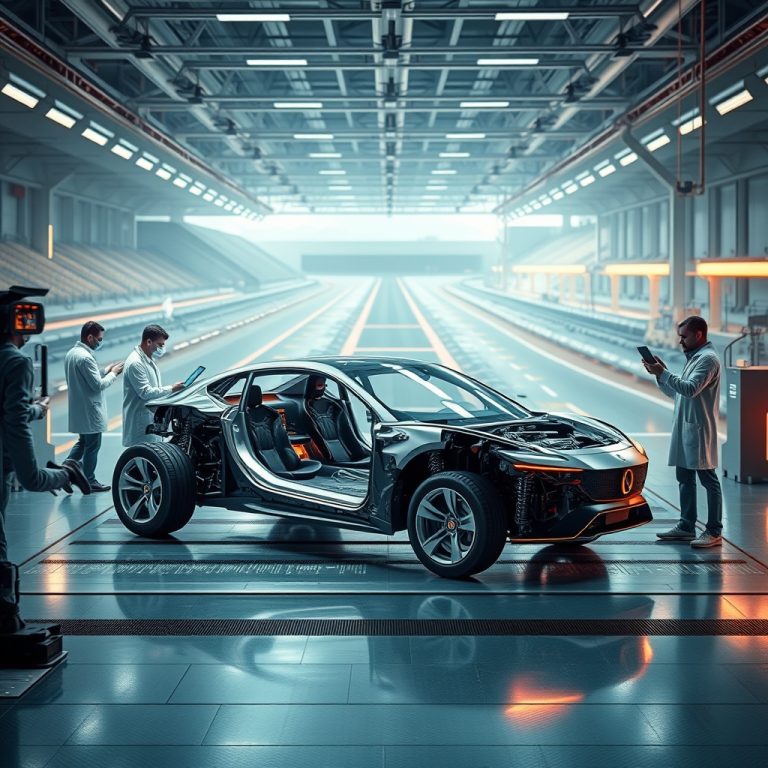
In the high-stakes world of automotive development, where every detail can mean the difference between market dominance and obscurity, a quiet revolution is unfolding—one that relies not on horsepower or cutting-edge technology, but on the art of deception. Automotive camouflage, once a simple tool to hide prototypes from prying eyes, has evolved into a sophisticated discipline that blends engineering, psychology, and even fashion. This unassuming practice is now a cornerstone of modern vehicle testing, shaping how cars are designed, refined, and ultimately brought to market.
The Psychology Behind the Patterns
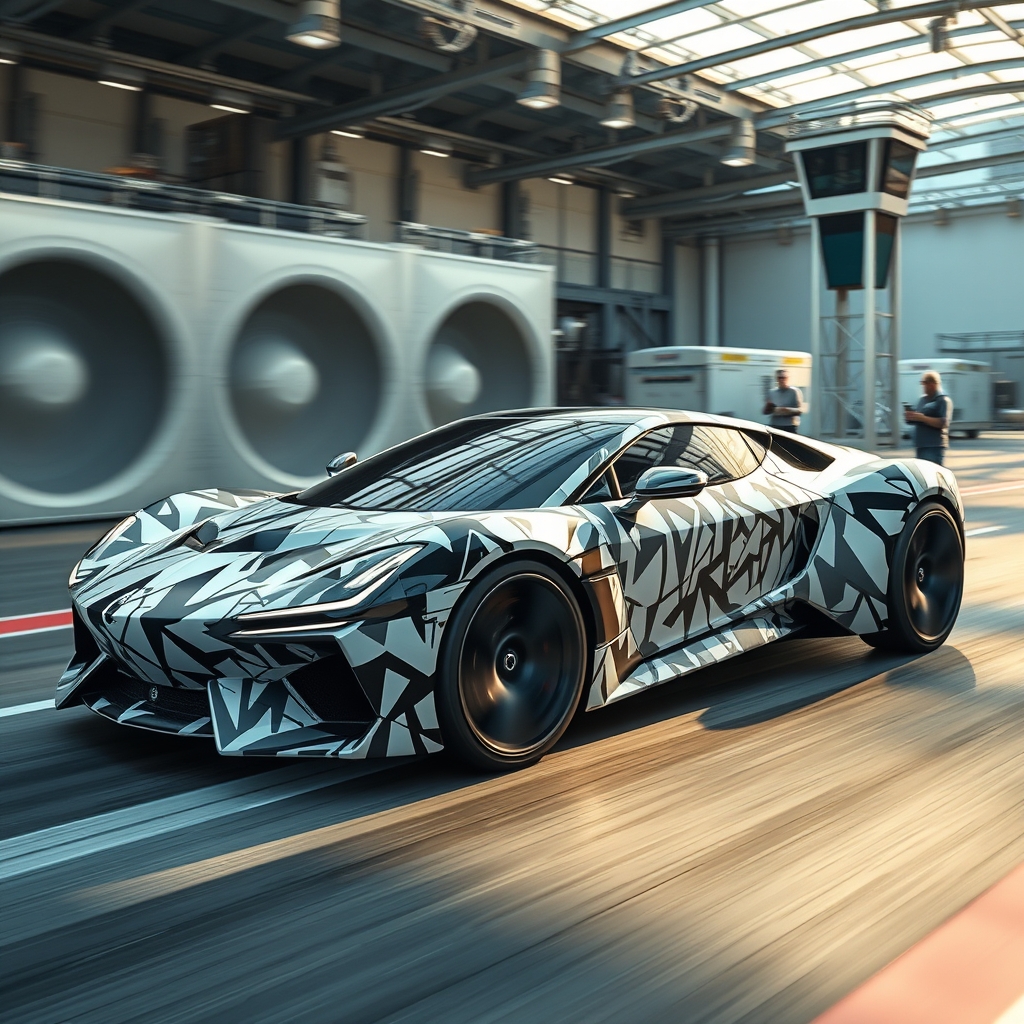
At first glance, the chaotic swirls, jagged lines, and dizzying patterns of automotive camouflage might seem like nothing more than a designer’s whimsy. Yet, these visual distortions are meticulously engineered to exploit the human brain’s perception. The goal? To make it nearly impossible for onlookers—whether they’re paparazzi, competitors, or curious bystanders—to discern the true shape, contours, or even the class of a vehicle under development.
Early camouflage techniques relied on basic geometric shapes and high-contrast colors to break up a vehicle’s silhouette. Today, however, the approach is far more nuanced. Engineers use a combination of disruptive patterns, asymmetrical designs, and even optical illusions to confuse the eye. Some patterns are designed to make a car appear taller or shorter, while others use dazzle camouflage—a technique borrowed from naval warfare—to create confusion about the vehicle’s direction of travel. The result is a moving puzzle that even the most trained observer struggles to decipher.
The Role of Digital Tools in Modern Camouflage
The rise of digital design tools has taken automotive camouflage to new heights. Computer-aided design (CAD) software allows engineers to simulate how different patterns will interact with light, shadows, and even the movement of the vehicle. These simulations help teams predict how a prototype will appear in real-world conditions, from the glare of a sunny day to the dim lighting of a parking garage. Some manufacturers have even experimented with dynamic camouflage, using e-ink or LED panels to alter the vehicle’s appearance in real time, though such technologies remain in the experimental phase.
Beyond aesthetics, digital tools also play a crucial role in ensuring that camouflage doesn’t interfere with the vehicle’s sensors or cameras. Modern prototypes are often equipped with advanced driver-assistance systems (ADAS) and autonomous driving technologies, which rely on clear visual data. Camouflage patterns must be designed to avoid creating false readings or obstructing critical sensors, adding another layer of complexity to the process.
From Test Tracks to Runways: The Evolution of Camouflage Aesthetics
What began as a purely functional tool has, in some cases, become a statement of brand identity. Luxury automakers like Mercedes-Benz and BMW have elevated camouflage to an art form, using it as a canvas to tease upcoming models with a sense of mystery and exclusivity. The patterns themselves have become more refined, often incorporating brand logos or subtle design cues that hint at the vehicle’s final form. In some instances, camouflage has even made its way into production vehicles, with limited-edition models featuring bespoke patterns as a nod to their development process.
This shift has also given rise to a new niche in automotive photography. Enthusiasts and professionals alike scour test tracks and public roads, armed with telephoto lenses and an eagle eye for detail, in the hopes of capturing a glimpse of the next big thing. The allure of the unknown—of seeing a vehicle before it’s officially unveiled—has turned camouflage into a cultural phenomenon, one that fuels speculation, excitement, and even fan communities dedicated to decoding the latest prototypes.
The Environmental and Ethical Considerations
While camouflage is an essential part of the automotive development process, it’s not without its challenges. Traditional camouflage materials, such as vinyl wraps and adhesive films, can be difficult to recycle and may contribute to waste. In response, some manufacturers are exploring more sustainable alternatives, such as biodegradable films or reusable fabric covers. There’s also the question of transparency: as consumers demand greater accountability from automakers, some argue that the secrecy surrounding prototypes is outdated. However, the competitive nature of the industry means that, for now, camouflage remains a necessary tool for protecting intellectual property and maintaining a competitive edge.
The Future of Automotive Camouflage
As vehicles become more connected and autonomous, the role of camouflage is likely to evolve yet again. With the rise of vehicle-to-everything (V2X) communication and advanced sensor suites, the need to physically obscure a prototype may diminish. Instead, camouflage could shift toward digital obfuscation—techniques designed to confuse not just the human eye, but also the algorithms and sensors of other vehicles. Imagine a future where a prototype’s digital signature is masked, making it invisible to autonomous cars or drones equipped with computer vision.
Yet, even as technology advances, the human element of curiosity and competition will ensure that camouflage remains a vital part of the automotive landscape. Whether it’s a swirling pattern on a test track or a high-tech digital cloak, the art of hiding in plain sight will continue to shape the cars of tomorrow, long before they ever hit the road. The next time you see a strangely patterned vehicle whizzing by, remember: what you’re witnessing isn’t just a test drive—it’s a carefully orchestrated dance between innovation and secrecy, where every line, curve, and color tells a story that’s yet to be revealed.
About the Author