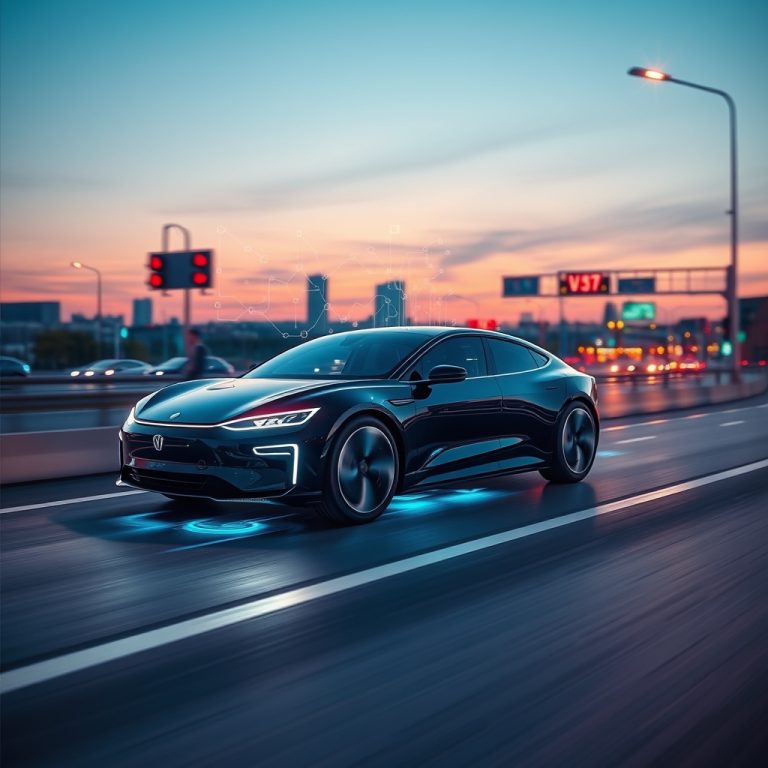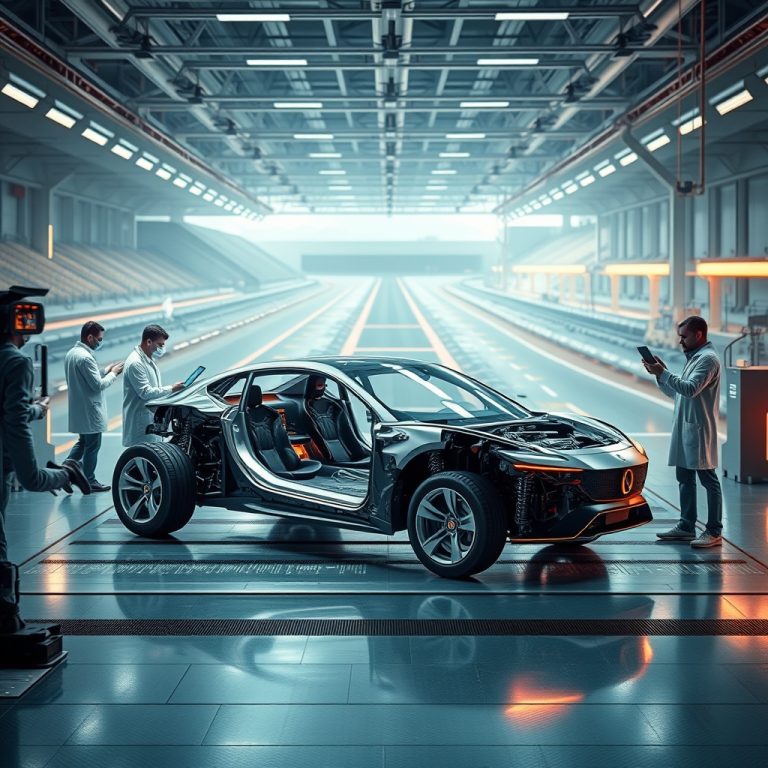
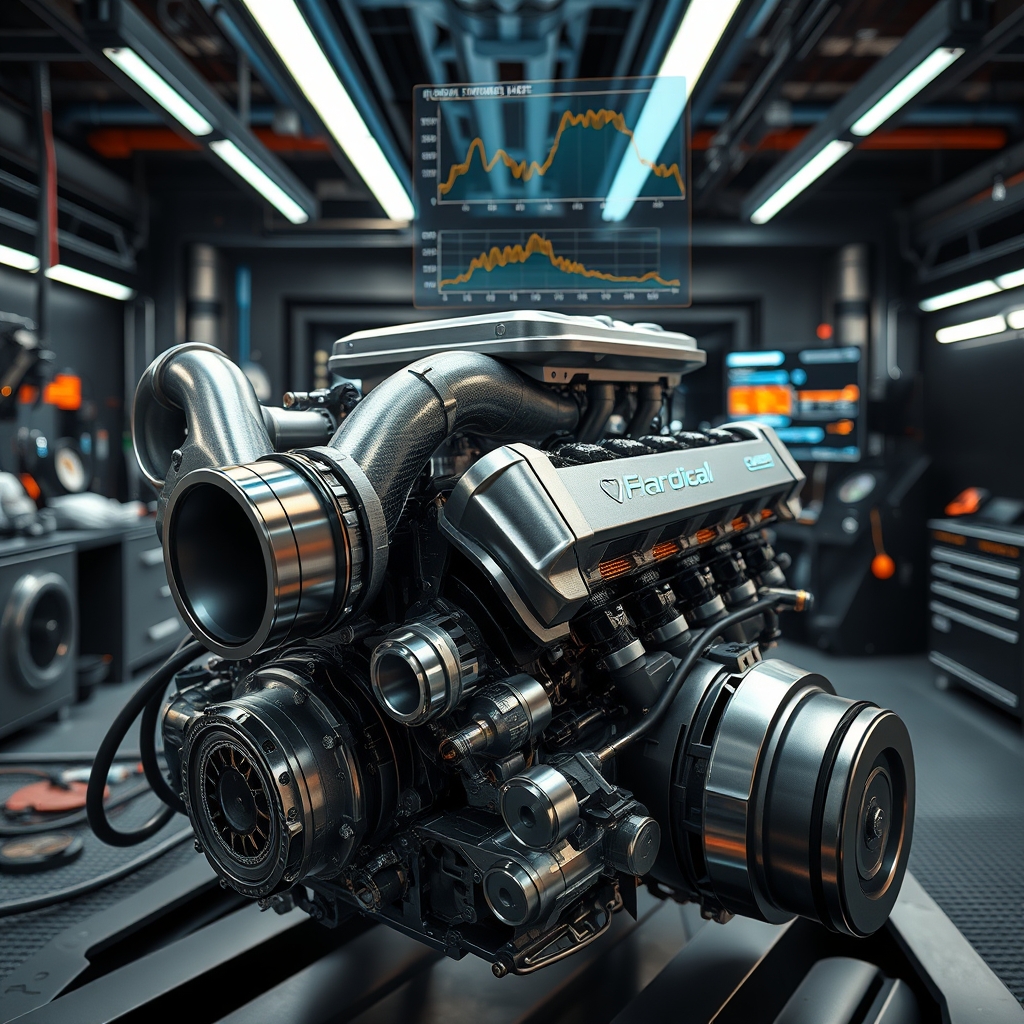
Torque is one of the most misunderstood yet critical elements of automotive performance. While horsepower often steals the spotlight, torque is the unsung force that dictates how a vehicle accelerates, climbs hills, and handles heavy loads. It’s the raw twisting power that gets a car moving from a standstill, and in the world of high-performance driving, it’s the difference between a sluggish response and an exhilarating surge of power. But what exactly is torque, and how are modern advancements in engine tuning harnessing its potential to redefine driving dynamics?
The Science Behind Torque: More Than Just Numbers
At its core, torque is a measure of rotational force. In automotive terms, it represents how much twisting power an engine can generate at a given moment. Unlike horsepower, which is a function of both torque and engine speed (RPM), torque is a direct indicator of an engine’s ability to perform work. A diesel truck, for example, may produce massive torque at low RPMs, allowing it to haul heavy loads with ease, while a high-revving sports car might generate peak torque at higher RPMs for rapid acceleration.
The relationship between torque and horsepower is often visualized on a dyno graph, where torque curves reveal the engine’s power delivery characteristics. A flat torque curve—where torque remains consistent across a wide RPM range—is ideal for drivability, as it ensures smooth power delivery without sudden surges or drops. This is why modern turbocharged engines, with their ability to maintain high torque at lower RPMs, have become so popular in both performance and everyday vehicles.
Engine Tuning: The Art of Unlocking Hidden Torque
Engine tuning has evolved from simple carburetor adjustments to sophisticated digital remapping, allowing engineers to extract every ounce of performance from an engine. One of the most effective ways to increase torque is through forced induction—using turbochargers or superchargers to force more air into the combustion chamber. This increases the amount of fuel that can be burned, resulting in a significant boost in torque output.
But forced induction is just one piece of the puzzle. Modern engine tuning also involves optimizing ignition timing, fuel delivery, and valve timing to maximize efficiency and power. Variable valve timing (VVT) systems, for example, adjust the timing of the intake and exhaust valves to optimize torque across the RPM range. Similarly, direct fuel injection allows for more precise control over the air-fuel mixture, further enhancing torque delivery.
Another key aspect of torque optimization is transmission tuning. A well-matched transmission can keep the engine in its optimal torque range, ensuring that power is delivered to the wheels efficiently. Dual-clutch transmissions, for instance, provide lightning-fast gear shifts, minimizing power loss and maximizing acceleration. Meanwhile, continuously variable transmissions (CVTs) can keep the engine in its sweet spot, delivering seamless power without the interruption of gear changes.
The Role of Electronics in Torque Management
In today’s vehicles, torque isn’t just about raw power—it’s also about control. Advanced electronic systems, such as traction control and torque vectoring, manage how torque is distributed to the wheels, enhancing stability and handling. Torque vectoring, in particular, is a game-changer for performance driving. By independently adjusting the torque sent to each wheel, it allows for sharper cornering, reduced understeer, and improved overall agility.
Electronic throttle control (ETC) is another innovation that has transformed torque delivery. Unlike traditional mechanical throttle systems, ETC uses sensors and actuators to precisely control the throttle opening, allowing for smoother acceleration and better fuel efficiency. This technology also enables features like launch control, which optimizes torque delivery for maximum acceleration from a standstill—a favorite among performance enthusiasts.
Real-World Applications: From Track to Daily Driving
The benefits of torque optimization extend far beyond the racetrack. In everyday driving, a well-tuned engine with strong low-end torque makes merging onto highways, overtaking slower vehicles, and climbing steep inclines effortless. For off-road enthusiasts, high torque at low RPMs is essential for navigating rough terrain, where maintaining momentum is key. Even in electric vehicles, torque plays a crucial role—EVs deliver instant torque from zero RPM, providing lightning-fast acceleration without the need for gear shifts.
For performance drivers, torque tuning can transform a good car into a great one. By fine-tuning the engine’s torque curve, tuners can eliminate turbo lag, improve throttle response, and create a more engaging driving experience. Whether it’s a track-focused build or a daily driver, the right torque characteristics can make all the difference in how a car feels on the road.
The Future of Torque: Electrification and Beyond
As the automotive industry shifts toward electrification, the concept of torque is evolving. Electric motors produce maximum torque from zero RPM, eliminating the need for complex transmission systems and delivering instant power. This has led to a new era of performance, where EVs can out-accelerate many internal combustion engine (ICE) vehicles despite having lower horsepower figures.
Hybrid powertrains are also leveraging torque in innovative ways. By combining an electric motor with a traditional ICE, hybrids can deliver seamless power delivery, with the electric motor filling in torque gaps at low RPMs and the ICE providing sustained power at higher speeds. This synergy results in a driving experience that is both efficient and exhilarating.
Torque has always been the backbone of automotive performance, but modern advancements in engine tuning, electronics, and powertrain technology have elevated its role to new heights. Whether it’s the raw power of a turbocharged engine, the precision of electronic torque management, or the instant response of an electric motor, torque is the invisible force that shapes how we experience driving. As technology continues to evolve, so too will our ability to harness this power, ensuring that the thrill of the open road remains as dynamic and exciting as ever.
About the Author