In the ever-evolving world of automotive engineering, one of the most transformative yet often overlooked advancements is the art and science of engine mapping. This intricate process, which involves fine-tuning an engine’s electronic control unit (ECU) to optimize performance, fuel efficiency, and emissions, has become the backbone of modern automotive innovation. As vehicles grow increasingly complex, engine mapping stands as a silent architect, shaping how cars respond to the driver’s commands and the demands of the road.
The Heart of the Machine: Understanding Engine Mapping
At its core, engine mapping is the process of creating a digital blueprint for how an engine should perform under various conditions. This blueprint, stored in the ECU, dictates everything from fuel injection timing to turbocharger boost levels, ignition timing, and throttle response. By adjusting these parameters, engineers can extract more power from an engine, improve fuel economy, or strike a balance between the two. The result is a vehicle that feels more responsive, efficient, and tailored to the driver’s needs.
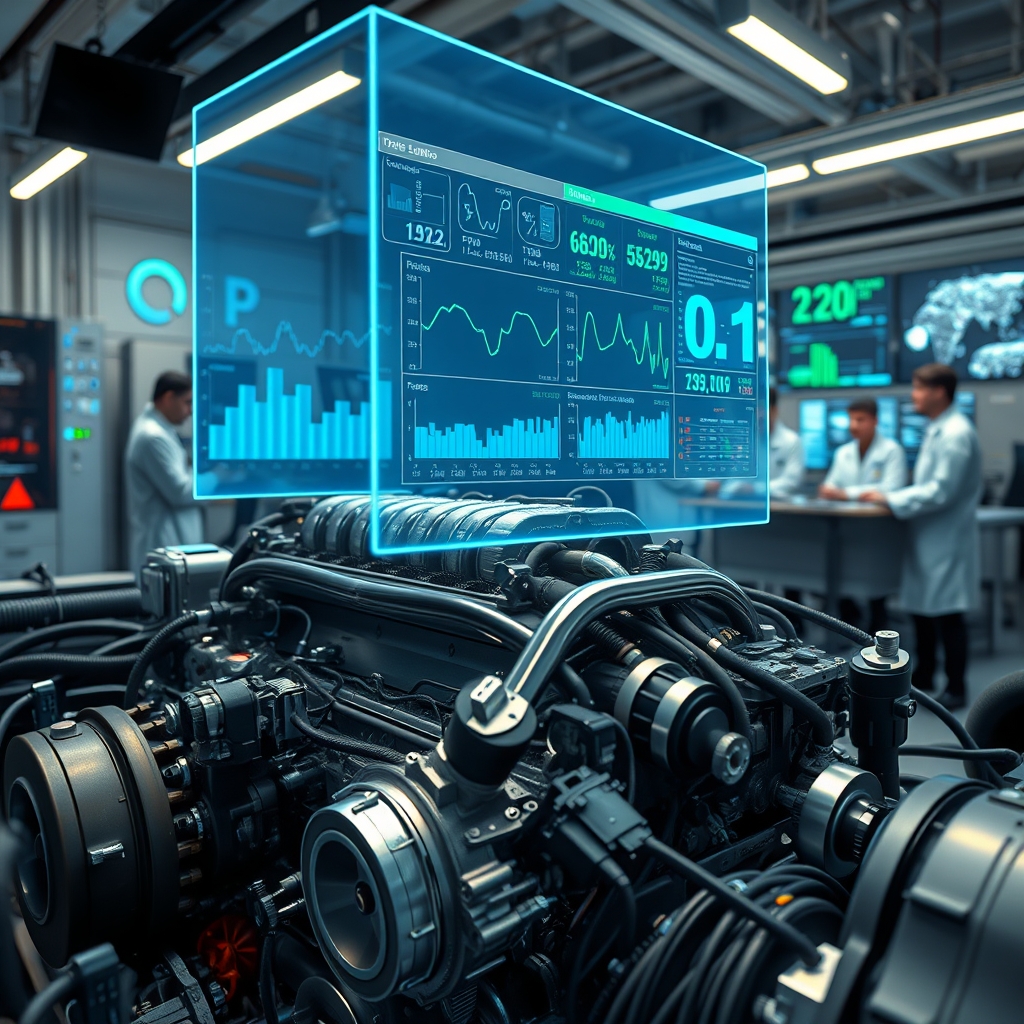
Traditionally, engine mapping was a labor-intensive process, requiring hours of dyno testing and manual adjustments. Engineers would tweak individual parameters, test the engine’s performance, and repeat the process until the desired outcome was achieved. However, with the advent of advanced computational tools and machine learning, the process has become far more precise and efficient. Today, engineers can simulate thousands of scenarios in a virtual environment before ever touching a physical engine, drastically reducing development time and costs.
The Role of Data in Modern Engine Mapping
Data is the lifeblood of modern engine mapping. Every time a car is driven, sensors collect vast amounts of information about engine performance, environmental conditions, and driver behavior. This data is then fed back into the ECU, allowing the system to make real-time adjustments to optimize performance. For example, if the engine detects that the vehicle is climbing a steep hill, it may adjust the fuel-air mixture to provide more power. Conversely, if the car is cruising on a flat highway, the ECU might prioritize fuel efficiency by leaning out the mixture.
This dynamic approach to engine management is what sets modern vehicles apart from their predecessors. In the past, engines were mapped for a single set of conditions, often resulting in suboptimal performance in real-world scenarios. Today, adaptive engine mapping allows vehicles to perform at their best in a wide range of situations, from stop-and-go city traffic to high-speed highway driving. This adaptability is particularly crucial for hybrid and electric vehicles, where the interaction between the internal combustion engine and electric motor must be carefully managed to maximize efficiency and range.
The Impact on Performance and Efficiency
The benefits of advanced engine mapping extend far beyond mere horsepower gains. By optimizing how an engine burns fuel, engineers can significantly reduce emissions without sacrificing performance. This is particularly important in an era where stringent environmental regulations are pushing automakers to develop cleaner, more efficient vehicles. For instance, cylinder deactivation—a feature enabled by sophisticated engine mapping—allows a V8 engine to operate on just four cylinders during light-load conditions, reducing fuel consumption and emissions without the driver even noticing the change.
Moreover, engine mapping plays a critical role in enhancing the driving experience. A well-mapped engine delivers smooth power delivery, responsive throttle, and predictable behavior, making the car more enjoyable to drive. This is especially evident in performance vehicles, where precise control over engine parameters can mean the difference between a car that feels sluggish and one that feels alive. For example, in turbocharged engines, engine mapping can minimize turbo lag by carefully managing boost pressure and ignition timing, resulting in instant throttle response and a more engaging driving experience.
The Challenges and Future of Engine Mapping
Despite its many advantages, engine mapping is not without its challenges. One of the biggest hurdles is balancing performance, efficiency, and emissions. As governments around the world tighten emissions regulations, automakers must find ways to meet these standards without compromising the driving experience. This often requires complex trade-offs, such as reducing power output to lower emissions or increasing fuel consumption to improve drivability.
Another challenge is the increasing complexity of modern engines. With the rise of hybrid and electric powertrains, engine mapping has evolved from a relatively straightforward process to a highly sophisticated discipline. Today’s engineers must consider not only the internal combustion engine but also the interaction between the engine, electric motor, battery, and other systems. This requires a deep understanding of multiple disciplines, from thermodynamics to electrical engineering, and the ability to integrate these systems seamlessly.
Looking ahead, the future of engine mapping is likely to be shaped by advancements in artificial intelligence and machine learning. These technologies have the potential to revolutionize the way engines are mapped, enabling real-time optimization based on driving conditions, driver behavior, and even predictive analytics. For example, an AI-powered ECU could learn a driver’s habits and adjust engine parameters accordingly, such as prioritizing fuel efficiency during daily commutes or maximizing power during spirited drives. This level of personalization could redefine the driving experience, making vehicles more intuitive and responsive than ever before.
As we stand on the brink of a new era in automotive technology, engine mapping remains a cornerstone of innovation. It is the invisible force that transforms raw mechanical power into a refined, efficient, and exhilarating driving experience. Whether you’re behind the wheel of a high-performance sports car or a fuel-efficient hybrid, the precision and intelligence of modern engine mapping are working tirelessly beneath the hood, ensuring that every journey is as smooth, efficient, and enjoyable as possible. The road ahead is paved with possibilities, and engine mapping will continue to be the driving force behind the cars of tomorrow.
About the Author