The modern automobile is no longer just a mechanical marvel; it is an intricate symphony of electrons, where power electronics conduct the flow of energy with precision and grace. Beneath the sleek exteriors and roaring engines lies a hidden world of semiconductors, inverters, and converters, all working in unison to redefine what vehicles can achieve. This silent revolution is not just about raw power—it’s about efficiency, control, and the seamless integration of technology that makes today’s cars smarter, faster, and more reliable than ever before.
The Heartbeat of Modern Vehicles
At the core of this transformation are power electronics, the unsung heroes that manage the distribution and conversion of electrical energy within a vehicle. From the humble alternator to the sophisticated inverters in electric vehicles (EVs), these components ensure that every watt of energy is used optimally. In traditional internal combustion engines, power electronics regulate everything from fuel injection to ignition timing, while in hybrids and EVs, they govern the flow of electricity between the battery, motor, and regenerative braking systems. Without them, the delicate balance between performance and efficiency would collapse.
The Role of Inverters in Electric Vehicles
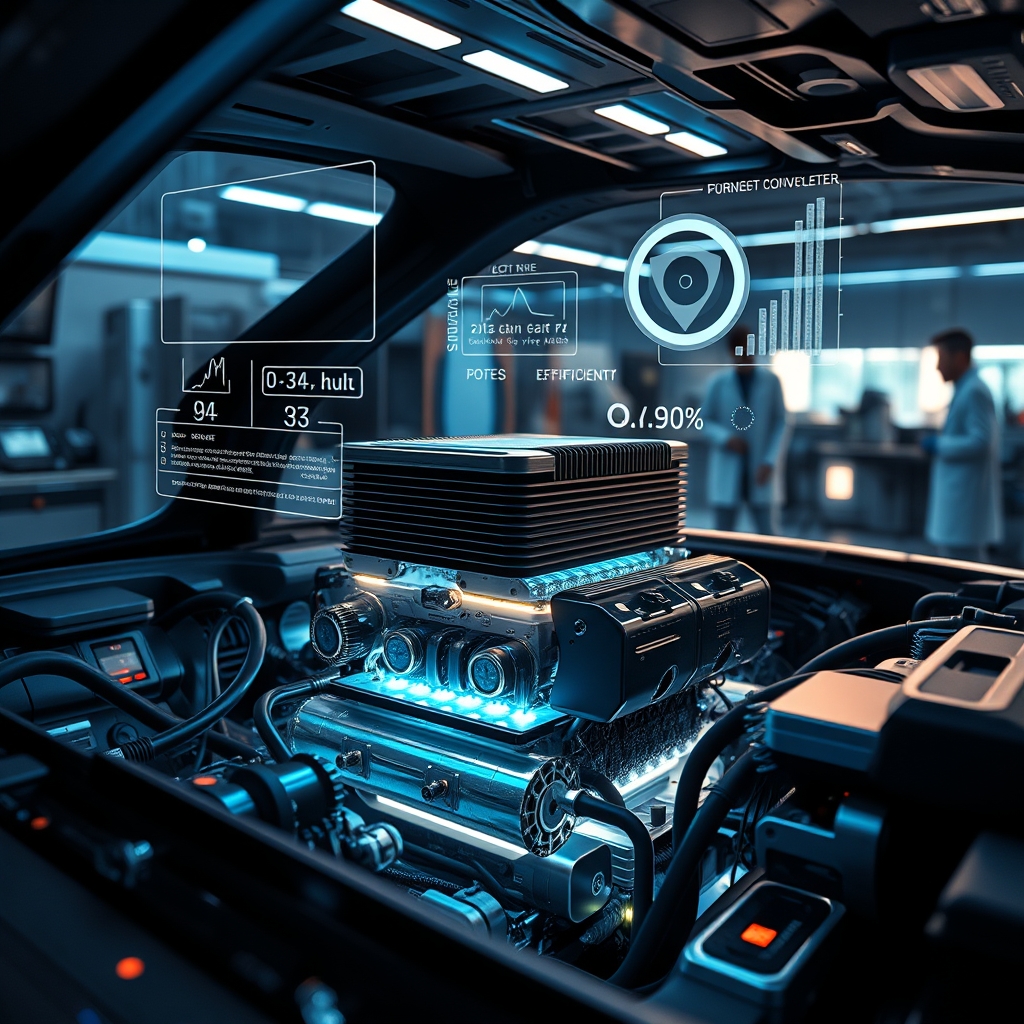
In electric vehicles, the inverter is perhaps the most critical power electronic component. It converts the direct current (DC) stored in the battery into alternating current (AC) to drive the electric motor. But its role goes beyond simple conversion—modern inverters are equipped with advanced algorithms that optimize power delivery in real-time, adjusting for factors like speed, load, and temperature. This dynamic control not only enhances performance but also extends the lifespan of the battery and motor, reducing wear and tear while maximizing energy recovery during braking.
DC-DC Converters: The Silent Enablers
Another key player in the power electronics ecosystem is the DC-DC converter. These devices step down high-voltage battery power to lower voltages required by auxiliary systems, such as infotainment, lighting, and sensors. In hybrids, they also manage the flow of energy between the high-voltage battery and the 12-volt system that powers traditional automotive electronics. By ensuring that each component receives the precise voltage it needs, DC-DC converters prevent energy waste and improve overall system efficiency.
The Efficiency Revolution
Efficiency is the holy grail of automotive engineering, and power electronics are at the forefront of this pursuit. Traditional vehicles lose a significant amount of energy through heat and mechanical inefficiencies, but modern power electronics minimize these losses. For example, silicon carbide (SiC) and gallium nitride (GaN) semiconductors are replacing traditional silicon in power electronic components, offering lower resistance and faster switching speeds. This translates to less energy lost as heat and more power delivered to the wheels, improving both performance and range in electric vehicles.
Regenerative Braking: Turning Motion into Energy
One of the most visible benefits of advanced power electronics is regenerative braking. In conventional vehicles, braking dissipates kinetic energy as heat, wasting it entirely. In hybrids and EVs, however, power electronics capture this energy and feed it back into the battery, effectively turning the motor into a generator. This not only improves efficiency but also reduces wear on traditional braking systems, extending their lifespan. The result is a vehicle that recovers energy with every deceleration, making urban driving more sustainable and cost-effective.
The Future of Power Electronics
The evolution of power electronics is far from over. As vehicles become more connected and autonomous, the demands on these systems will only grow. Future advancements may include bidirectional charging, where EVs can feed energy back into the grid, or even wireless power transfer, eliminating the need for physical charging cables. Additionally, the integration of artificial intelligence (AI) into power electronics could enable predictive energy management, where the vehicle anticipates driving conditions and adjusts power delivery accordingly.
Challenges and Opportunities
Despite their transformative potential, power electronics face challenges. Heat management remains a critical issue, as high-power components generate significant thermal loads. Engineers are exploring innovative cooling solutions, such as liquid cooling and advanced thermal interface materials, to keep these systems running efficiently. Additionally, the shift toward higher voltages in EVs—from 400V to 800V and beyond—requires new safety protocols and component designs to handle the increased power levels.
The road ahead for automotive power electronics is paved with innovation. As materials science advances and computational power increases, these systems will become even more efficient, compact, and reliable. They are the invisible force driving the automotive industry toward a future where performance and sustainability coexist, where every electron is harnessed with precision, and where the vehicles of tomorrow are limited only by the boundaries of imagination. The hidden dance of electrons is not just redefining how cars perform—it is reshaping the very essence of mobility itself.
About the Author