Few components in a vehicle are as intimately connected to the driver as the steering system. It is the silent intermediary between human intention and machine response, translating subtle movements of the hands into the graceful ballet of a car navigating a winding road. Yet, despite its fundamental role, the steering system often remains an unsung hero, overshadowed by more glamorous aspects of automotive engineering like horsepower or acceleration. The truth is, modern steering systems are marvels of precision engineering, blending mechanical ingenuity with cutting-edge electronics to deliver an experience that is as intuitive as it is exhilarating.
The Evolution of Steering: From Mechanical Simplicity to Electronic Sophistication
The journey of automotive steering systems is a testament to the relentless pursuit of perfection. In the early days of motoring, steering was a purely mechanical affair, relying on a simple recirculating ball or rack-and-pinion system to transmit the driver’s input to the wheels. These systems were robust and reliable, but they demanded physical effort, especially at low speeds or when maneuvering heavy vehicles. The introduction of power steering in the mid-20th century was a game-changer, using hydraulic pressure to assist the driver and reduce the effort required to turn the wheel. This innovation democratized driving, making it accessible to a broader range of people and transforming the way we interact with our vehicles.
However, the evolution didn’t stop there. As electronics began to permeate every aspect of automotive design, steering systems underwent another transformation. Electric Power Steering (EPS) emerged as the next frontier, replacing hydraulic assistance with electric motors that could be finely tuned to deliver variable levels of assistance based on driving conditions. Unlike hydraulic systems, EPS doesn’t rely on engine power, making it more energy-efficient and environmentally friendly. It also opened the door to a host of advanced features, from lane-keeping assist to adaptive steering ratios, which adjust the sensitivity of the steering based on speed or driving mode.
The Art of Feedback: How Steering Systems Communicate with Drivers
One of the most underappreciated aspects of a steering system is its ability to provide feedback to the driver. This feedback, often referred to as “steering feel,” is the subtle language through which a car communicates with its driver. It conveys critical information about road conditions, tire grip, and vehicle dynamics, allowing the driver to make split-second decisions with confidence. In high-performance vehicles, this feedback is even more pronounced, with engineers meticulously tuning the steering to deliver a sense of connection between the driver and the road.
Achieving the perfect steering feel is a delicate balancing act. Too much feedback can make the steering feel twitchy or fatiguing, while too little can leave the driver feeling disconnected from the driving experience. Modern steering systems use a combination of mechanical tuning and electronic calibration to strike this balance. For example, variable-ratio steering systems adjust the amount of turn in the steering wheel relative to the wheels themselves, providing quicker response at low speeds and more stability at high speeds. Meanwhile, advanced EPS systems can simulate the feel of a hydraulic system, offering a level of customization that was once unimaginable.
Steer-by-Wire: The Next Frontier in Automotive Control
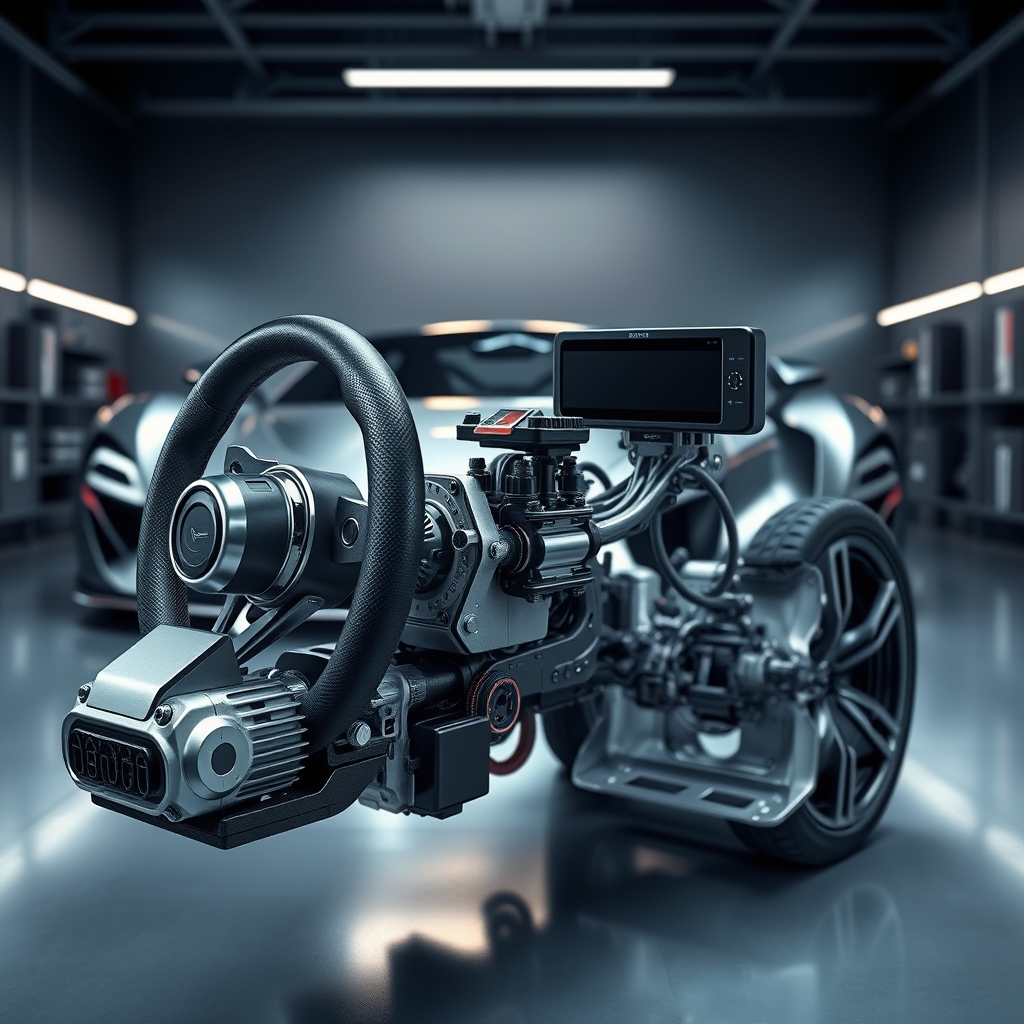
As we look to the future, steer-by-wire technology represents the next leap forward in steering system innovation. Unlike traditional systems, which rely on a direct mechanical connection between the steering wheel and the wheels, steer-by-wire replaces this link with electronic sensors and actuators. This approach offers several advantages, including reduced weight, improved packaging flexibility, and the ability to integrate seamlessly with autonomous driving systems. It also allows for unprecedented levels of customization, enabling drivers to adjust steering feel, response, and even the angle of the steering wheel to suit their preferences.
However, steer-by-wire is not without its challenges. The absence of a mechanical connection raises concerns about reliability and safety, particularly in the event of an electronic failure. To address these concerns, engineers are developing redundant systems and fail-safe mechanisms to ensure that the vehicle remains controllable even in the event of a malfunction. Additionally, the transition to steer-by-wire will require a shift in driver expectations, as the familiar feedback of a mechanical system is replaced with a more artificial, yet highly tunable, experience.
The Role of Steering in Autonomous Driving
As vehicles become increasingly autonomous, the role of the steering system is evolving once again. In fully autonomous cars, the steering system will no longer be a tool for the driver but rather a component of a larger, integrated system that controls the vehicle’s movement. This shift presents both challenges and opportunities for steering system design. On one hand, autonomous vehicles require steering systems that are highly reliable and capable of precise, repeatable movements. On the other hand, they also offer the opportunity to reimagine the steering wheel itself, potentially replacing it with alternative control interfaces or even eliminating it altogether in favor of a more minimalist cabin design.
Despite these changes, the fundamental principles of steering system design remain the same. Whether a vehicle is driven by a human or a computer, the steering system must deliver precise control, responsive feedback, and unwavering reliability. As autonomous driving technology continues to advance, we can expect to see steering systems that are more integrated, more intelligent, and more adaptable than ever before.
The Human Element: Why Steering Still Matters in the Age of Automation
Even as we move toward a future of autonomous vehicles, the human element of driving remains a critical consideration. For many drivers, the act of steering is not just about getting from point A to point B—it’s about the joy of control, the thrill of precision, and the deep connection between driver and machine. This is why automakers continue to invest in steering systems that deliver an engaging, rewarding experience, even as they develop technologies that may one day render human input obsolete.
The pursuit of the perfect steering system is a testament to the enduring appeal of driving. It is a reminder that, no matter how advanced our vehicles become, the relationship between driver and car will always be defined by the subtle, almost imperceptible interactions that make driving such a uniquely human experience. Whether it’s the weight of the wheel in your hands, the feedback through your fingertips, or the way the car responds to your every command, the steering system is the invisible thread that binds us to the road, turning every journey into a dance of precision and control.
As we stand on the cusp of a new era in automotive technology, it’s worth taking a moment to appreciate the quiet brilliance of the steering system. It may not grab headlines like a roaring engine or a cutting-edge infotainment system, but it is the unsung hero that makes every drive possible. From the earliest mechanical systems to the latest steer-by-wire innovations, the evolution of steering is a story of relentless progress, driven by a desire to make driving safer, more enjoyable, and more connected than ever before. And as long as there are roads to travel and drivers who love the feel of the wheel in their hands, that story will continue to unfold, one turn at a time.
About the Author