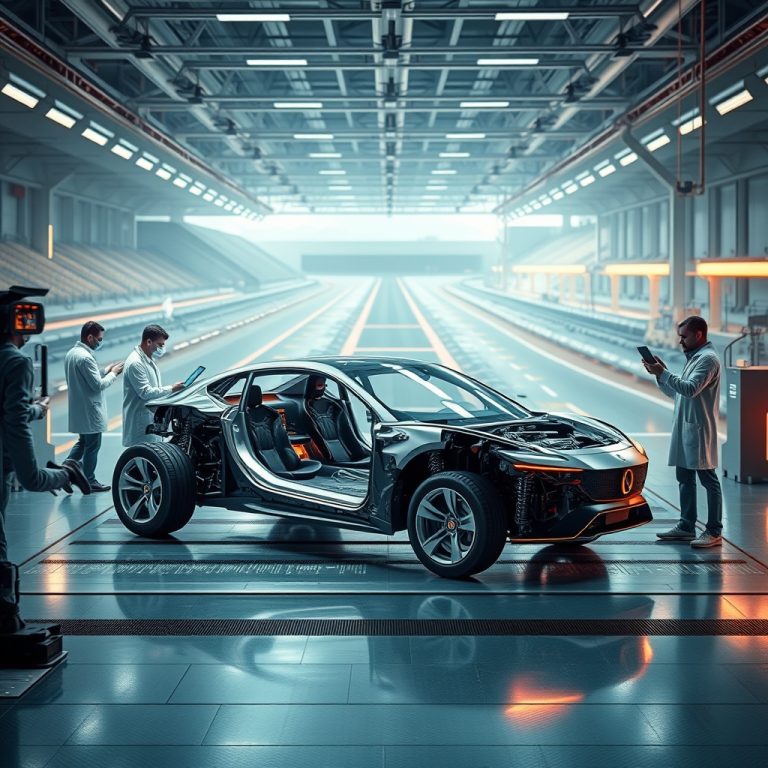
In the modern automotive landscape, where vehicles are increasingly becoming rolling computers, the seamless integration of electronic systems is paramount. Yet, one of the most critical and often overlooked aspects of this integration is electromagnetic compatibility (EMC). This invisible force ensures that the myriad of electronic components within a vehicle operate harmoniously, without interfering with one another or external devices. As cars evolve into highly connected, autonomous machines, the role of EMC in maintaining reliability, safety, and performance has never been more vital.
The Silent Battle Inside Your Vehicle
Every time you start your car, a silent battle unfolds beneath the surface. Electronic control units (ECUs), sensors, infotainment systems, and advanced driver-assistance systems (ADAS) all emit electromagnetic waves as they communicate and function. Without proper EMC measures, these waves can interfere with each other, leading to malfunctions, erratic behavior, or even complete system failures. Imagine your anti-lock braking system (ABS) failing because your infotainment system emitted a stray signal at the wrong frequency—this is the kind of scenario EMC aims to prevent.
Automotive EMC is not just about preventing interference; it’s about ensuring that every electronic component operates as intended, even in the presence of external electromagnetic disturbances. This includes everything from radio frequency interference (RFI) caused by nearby cell towers to electrostatic discharges from static electricity. The challenge lies in designing systems that are both resilient to interference and do not emit disruptive signals of their own.
The Science Behind Electromagnetic Compatibility
At its core, EMC is governed by the principles of electromagnetism, a branch of physics that studies the interaction between electric and magnetic fields. In automotive applications, EMC is achieved through a combination of shielding, filtering, grounding, and careful circuit design. Shielding involves enclosing sensitive components in conductive materials, such as metal or specialized coatings, to block external electromagnetic waves. Filtering, on the other hand, uses components like capacitors and inductors to suppress unwanted frequencies while allowing desired signals to pass through.
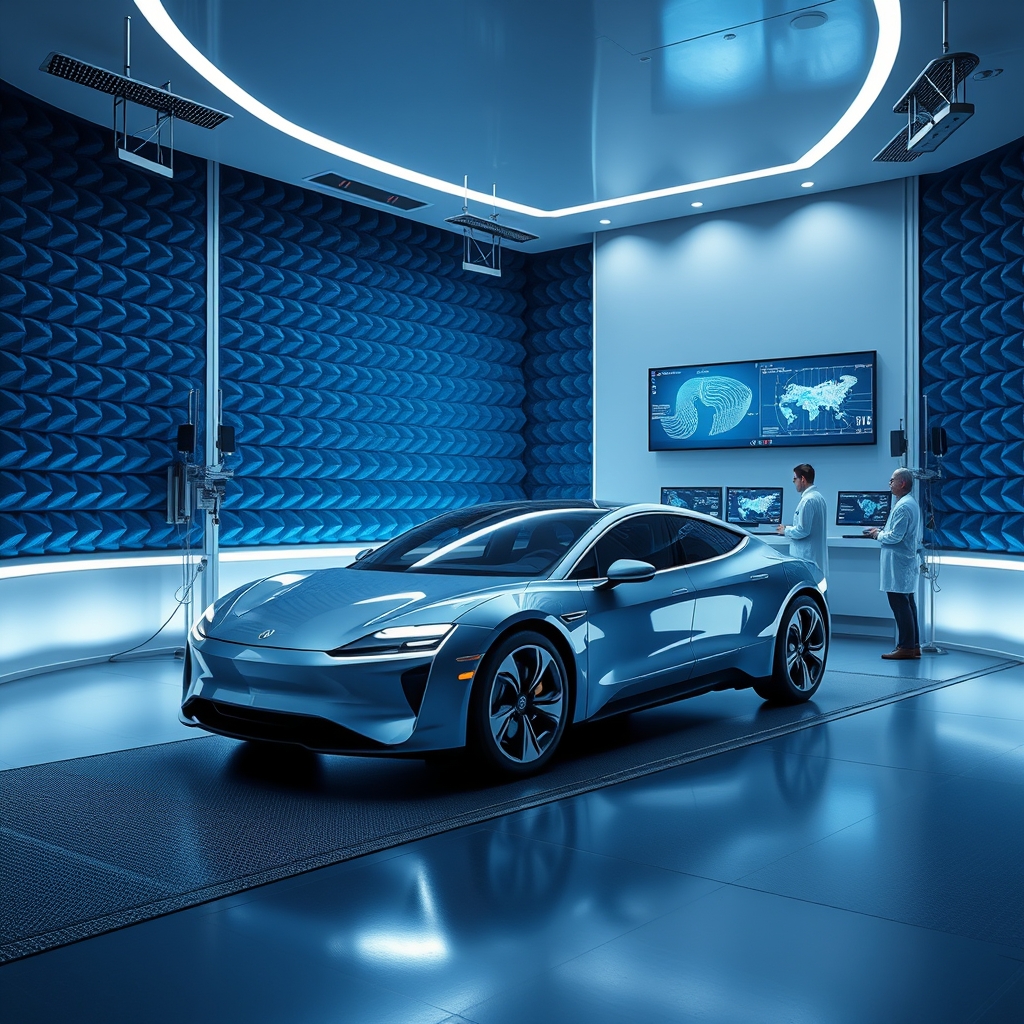
Grounding is another critical aspect of EMC. A well-designed grounding system ensures that electrical currents have a safe path to dissipate, reducing the risk of interference. Meanwhile, circuit design plays a role in minimizing the emission of electromagnetic waves by optimizing the layout and routing of electrical pathways. These techniques are not just theoretical; they are rigorously tested in specialized EMC chambers, where vehicles and components are exposed to controlled electromagnetic environments to ensure compliance with industry standards.
Standards and Regulations: The Backbone of EMC
The automotive industry adheres to strict EMC standards to ensure that vehicles meet minimum requirements for electromagnetic compatibility. Organizations such as the International Organization for Standardization (ISO), the Society of Automotive Engineers (SAE), and the Federal Communications Commission (FCC) have established guidelines that manufacturers must follow. For example, ISO 11451 and ISO 11452 outline test methods for vehicle-level and component-level EMC, respectively, while SAE J1113 provides additional specifications for automotive electronic systems.
These standards are not static; they evolve alongside automotive technology. As vehicles become more complex, with the addition of electric powertrains, wireless charging, and vehicle-to-everything (V2X) communication, the EMC landscape becomes increasingly challenging. Manufacturers must continuously innovate to meet these demands, often collaborating with suppliers and research institutions to develop new solutions. Compliance with EMC standards is not just a legal requirement—it’s a cornerstone of vehicle safety and reliability.
The Impact of Electrification and Connectivity
The shift toward electrification and connectivity has introduced new EMC challenges. Electric vehicles (EVs), for instance, rely on high-voltage systems that can generate significant electromagnetic interference (EMI). The power electronics in EVs, such as inverters and converters, operate at high frequencies and can emit strong electromagnetic fields. Without proper EMC measures, these fields can disrupt sensitive electronics, including battery management systems and onboard computers.
Connectivity, too, presents its own set of challenges. Modern vehicles are equipped with multiple wireless communication systems, including Bluetooth, Wi-Fi, and cellular connectivity. These systems must coexist without interfering with each other or with critical vehicle functions. For example, a poorly designed infotainment system could emit signals that interfere with the vehicle’s radar-based ADAS, compromising safety. EMC engineers must carefully manage the electromagnetic environment to prevent such scenarios, often employing techniques like frequency separation and dynamic power control.
The Role of Simulation and Testing
Given the complexity of modern vehicles, EMC cannot be an afterthought—it must be integrated into the design process from the outset. This is where simulation tools come into play. Advanced software allows engineers to model the electromagnetic behavior of vehicle systems before physical prototypes are built. By identifying potential interference issues early in the design phase, manufacturers can save time and resources while ensuring compliance with EMC standards.
However, simulation alone is not enough. Physical testing remains a critical component of EMC validation. EMC chambers, equipped with antennas and measurement equipment, allow engineers to expose vehicles and components to controlled electromagnetic environments. These tests simulate real-world conditions, such as exposure to radio waves from cell towers or electrostatic discharges from human touch. The data collected from these tests is used to refine designs and ensure that vehicles meet the required EMC standards.
The Future of Automotive EMC
As the automotive industry continues to evolve, so too will the challenges and solutions related to EMC. The rise of autonomous vehicles, for example, will introduce even more electronic systems, each with the potential to generate or be affected by electromagnetic interference. Similarly, the proliferation of wireless charging and V2X communication will require new approaches to managing the electromagnetic environment.
One emerging trend is the use of artificial intelligence (AI) and machine learning to predict and mitigate EMC issues. By analyzing vast amounts of data from simulations and real-world testing, AI can identify patterns and suggest design improvements that enhance electromagnetic compatibility. This proactive approach could revolutionize the way EMC is managed, reducing the need for costly and time-consuming physical tests.
Another area of innovation is the development of new materials and technologies that improve EMC performance. For example, researchers are exploring the use of metamaterials—engineered structures with unique electromagnetic properties—to create more effective shielding solutions. These materials could be integrated into vehicle designs to provide better protection against interference while reducing weight and cost.
The invisible revolution of automotive electromagnetic compatibility is a testament to the unseen complexities that underpin modern vehicle design. While drivers may never see or hear the electromagnetic waves that permeate their cars, the systems that manage these waves are working tirelessly to ensure safety, reliability, and performance. As vehicles become more advanced, the role of EMC will only grow in importance, shaping the future of automotive innovation in ways that are as profound as they are invisible. The road ahead is not just about faster, smarter, or more connected cars—it’s about ensuring that every electronic heartbeat within them pulses in perfect harmony.
About the Author