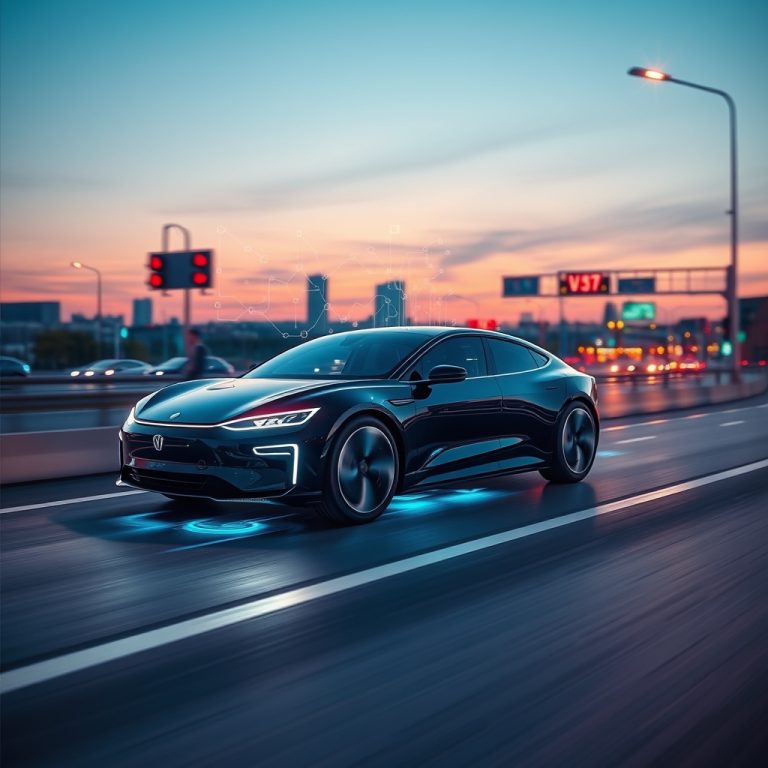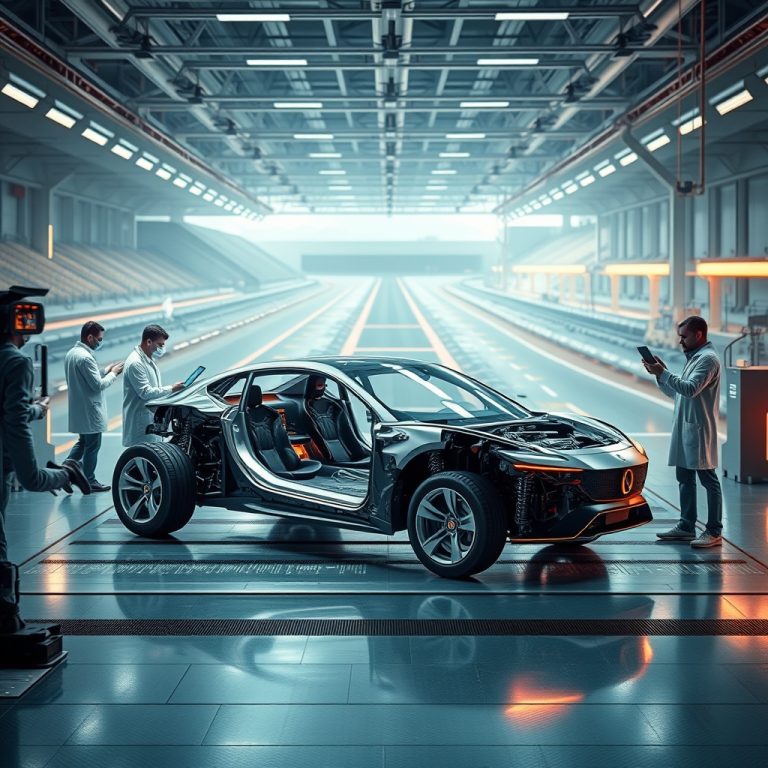
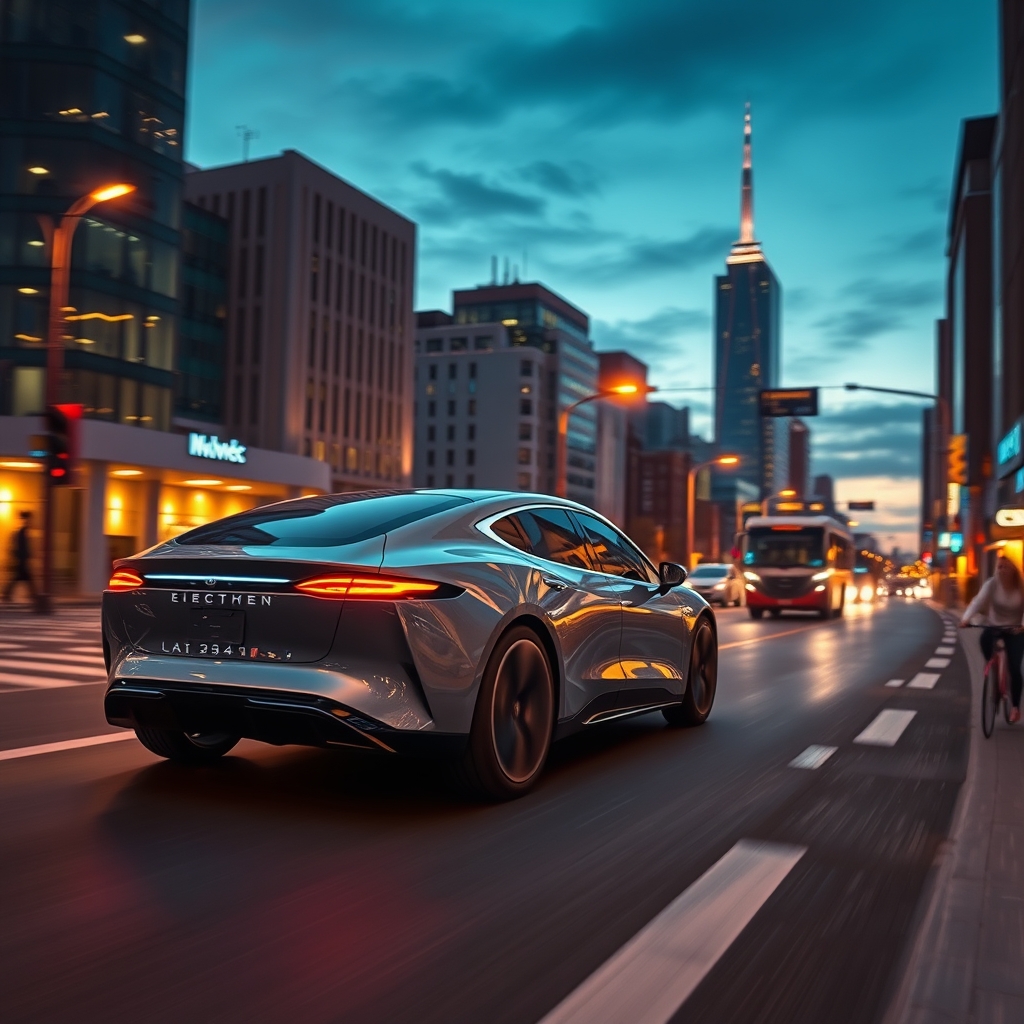
The automotive industry is undergoing one of its most profound transformations in history, not with the roar of engines or the screech of tires, but with the quiet hum of electric motors and the subtle whir of sensors. Autonomous driving technology is no longer a distant fantasy confined to science fiction—it is here, evolving rapidly, and poised to redefine how we move through cities, suburbs, and highways. This silent revolution is not just about replacing the driver; it’s about reimagining mobility itself, from the way we design roads to how we plan our daily commutes.
The Technology Behind the Wheel
At the heart of autonomous driving lies a complex ecosystem of hardware and software working in unison. LiDAR (Light Detection and Ranging) systems, radar, high-resolution cameras, and ultrasonic sensors create a 360-degree view of the vehicle’s surroundings, detecting everything from pedestrians and cyclists to lane markings and traffic signals. These sensors feed data into advanced machine learning algorithms that process information in real-time, making split-second decisions that mimic—and in some cases, surpass—human reflexes.
Companies like Waymo, Tesla, and Cruise have already logged millions of autonomous miles, refining their systems through continuous testing and iterative improvements. The latest iterations of these systems, such as Tesla’s Full Self-Driving (FSD) beta and Waymo’s fully autonomous ride-hailing service, demonstrate how far the technology has come. Yet, the journey is far from over. Challenges like adverse weather conditions, unpredictable human behavior, and ethical dilemmas in decision-making continue to push the boundaries of what’s possible.
Redefining Urban Landscapes
Autonomous vehicles (AVs) are not just changing how we drive; they are transforming the very fabric of urban environments. Cities built around the needs of human drivers—with sprawling parking lots, wide roads, and complex traffic management systems—may soon give way to more efficient, people-centric designs. Imagine downtown areas where AVs drop passengers off at their destinations and then park themselves in remote, high-density lots, freeing up valuable real estate for parks, housing, or commercial spaces.
Traffic congestion, a perennial headache for urban dwellers, could also see dramatic improvements. AVs communicate with each other through Vehicle-to-Everything (V2X) technology, optimizing routes, reducing bottlenecks, and minimizing stop-and-go traffic. Studies suggest that widespread adoption of autonomous driving could cut traffic delays by up to 40%, not to mention the environmental benefits of smoother, more fuel-efficient driving patterns.
The Human Factor: Trust and Adaptation
For all its technological promise, the success of autonomous driving hinges on one critical factor: human trust. Despite the advancements, many people remain skeptical about relinquishing control to a machine, especially in life-or-death scenarios. High-profile accidents involving autonomous vehicles, while statistically rare, have amplified these concerns, underscoring the need for transparency, rigorous safety standards, and public education.
Automakers and tech companies are addressing these concerns through gradual integration. Features like adaptive cruise control, lane-keeping assist, and automated parking are already commonplace in many new vehicles, serving as stepping stones toward full autonomy. These systems not only enhance safety but also help drivers become more comfortable with the idea of sharing control with AI. Over time, as familiarity grows, so too will acceptance.
The Ripple Effects on Society
The implications of autonomous driving extend far beyond the automotive industry. For instance, the rise of AVs could revolutionize public transportation, making it more accessible and efficient. Autonomous shuttles and buses could operate on demand, reducing the need for fixed routes and schedules, and providing last-mile connectivity in underserved areas. This shift could make car ownership less necessary, particularly in urban centers, where ride-sharing and mobility-as-a-service (MaaS) platforms could become the norm.
Economically, the impact could be equally transformative. The trucking industry, a backbone of global supply chains, stands to benefit immensely from autonomous technology. Long-haul trucking, plagued by driver shortages and fatigue-related accidents, could become safer and more efficient with autonomous fleets. Similarly, delivery services could leverage AVs to streamline logistics, reducing costs and improving delivery times.
Ethical and Regulatory Challenges
As with any disruptive technology, autonomous driving raises a host of ethical and regulatory questions. Who is liable in the event of an accident involving an AV? How should the vehicle prioritize the safety of its passengers versus pedestrians in unavoidable collision scenarios? These are not just theoretical dilemmas but real-world challenges that policymakers, ethicists, and engineers must address.
Governments around the world are grappling with these questions, with some taking a proactive approach to regulation. Countries like the United States, Germany, and Japan have established guidelines and frameworks to govern the testing and deployment of AVs, while others are still catching up. The lack of uniformity in regulations could slow down adoption, but it also presents an opportunity for international collaboration to create standardized safety and ethical guidelines.
The Road Ahead
While fully autonomous vehicles may still be a few years away from widespread adoption, the progress made so far is nothing short of remarkable. The transition will likely be gradual, with semi-autonomous features paving the way for more advanced systems. As the technology matures, it will not only change how we drive but also how we live, work, and interact with our surroundings.
The silent revolution of autonomous driving is more than just a technological marvel; it is a catalyst for rethinking mobility in a way that prioritizes efficiency, safety, and sustainability. As cities evolve and societies adapt, the roads of the future may look very different from what we know today, but one thing is certain: the journey has only just begun, and the destination promises to be transformative in ways we are only beginning to imagine.
About the Author