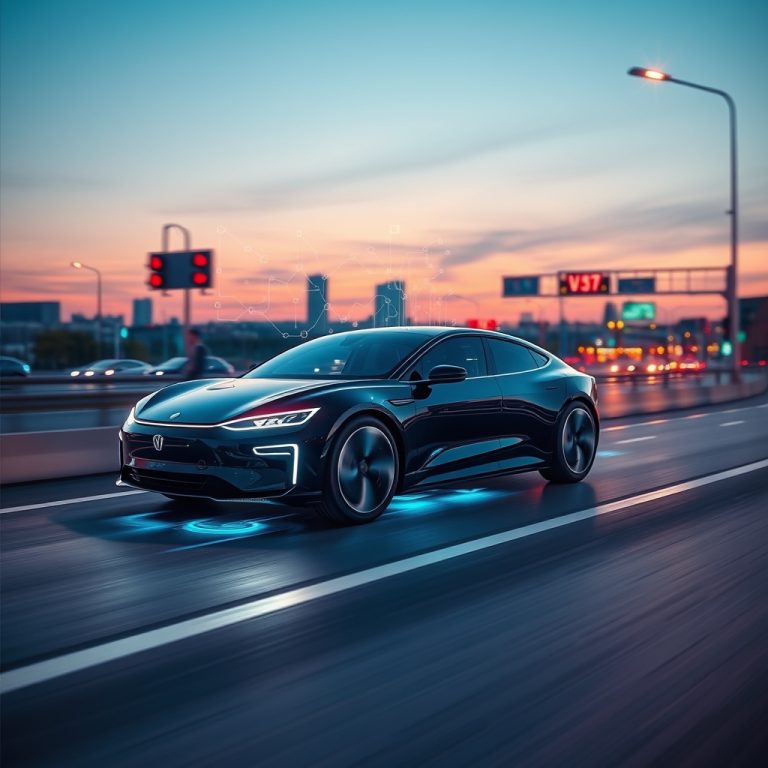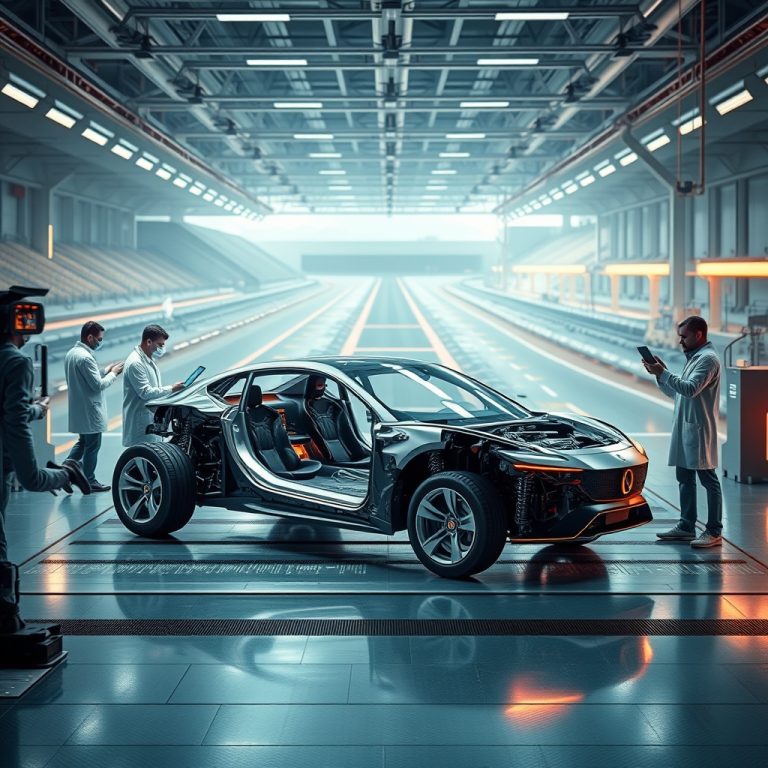
The automotive industry is undergoing a seismic shift, not just under the hood but within the very fabric of how we interact with our vehicles. While horsepower and fuel efficiency have long been the benchmarks of automotive excellence, a new frontier is emerging—one where connectivity, intelligence, and seamless integration redefine what it means to drive. Connected car technology is no longer a futuristic concept; it’s here, reshaping our journeys in ways we’re only beginning to understand.
The Evolution of Connectivity in Vehicles
Gone are the days when a car’s primary function was merely to transport us from point A to point B. Today’s vehicles are evolving into sophisticated hubs of connectivity, blending the physical and digital worlds. At the heart of this transformation is the Internet of Things (IoT), which enables cars to communicate with each other, with infrastructure, and with the broader digital ecosystem. This interconnectedness is not just about convenience; it’s about creating a safer, more efficient, and more enjoyable driving experience.
Modern connected cars come equipped with advanced telematics systems that provide real-time data on everything from engine performance to traffic conditions. These systems leverage cloud computing and artificial intelligence to process vast amounts of information, offering drivers insights that were once unimaginable. For instance, predictive maintenance alerts can notify drivers of potential issues before they become costly repairs, while adaptive cruise control systems use real-time traffic data to adjust speeds dynamically, reducing congestion and improving fuel efficiency.
The Role of 5G in Accelerating Automotive Innovation
The rollout of 5G networks is a game-changer for connected car technology. With its ultra-low latency and high-speed data transfer capabilities, 5G enables near-instantaneous communication between vehicles and their surroundings. This is particularly critical for advanced driver-assistance systems (ADAS) and autonomous driving technologies, where split-second decisions can mean the difference between safety and catastrophe.
For example, vehicle-to-everything (V2X) communication, powered by 5G, allows cars to exchange information with traffic lights, road sensors, and other vehicles. This creates a dynamic network where cars can anticipate hazards, optimize routes, and even coordinate with emergency services in the event of an accident. The potential for reducing traffic fatalities and improving urban mobility is immense, making 5G a cornerstone of the connected car revolution.
Personalization and the Rise of the Smart Cabin
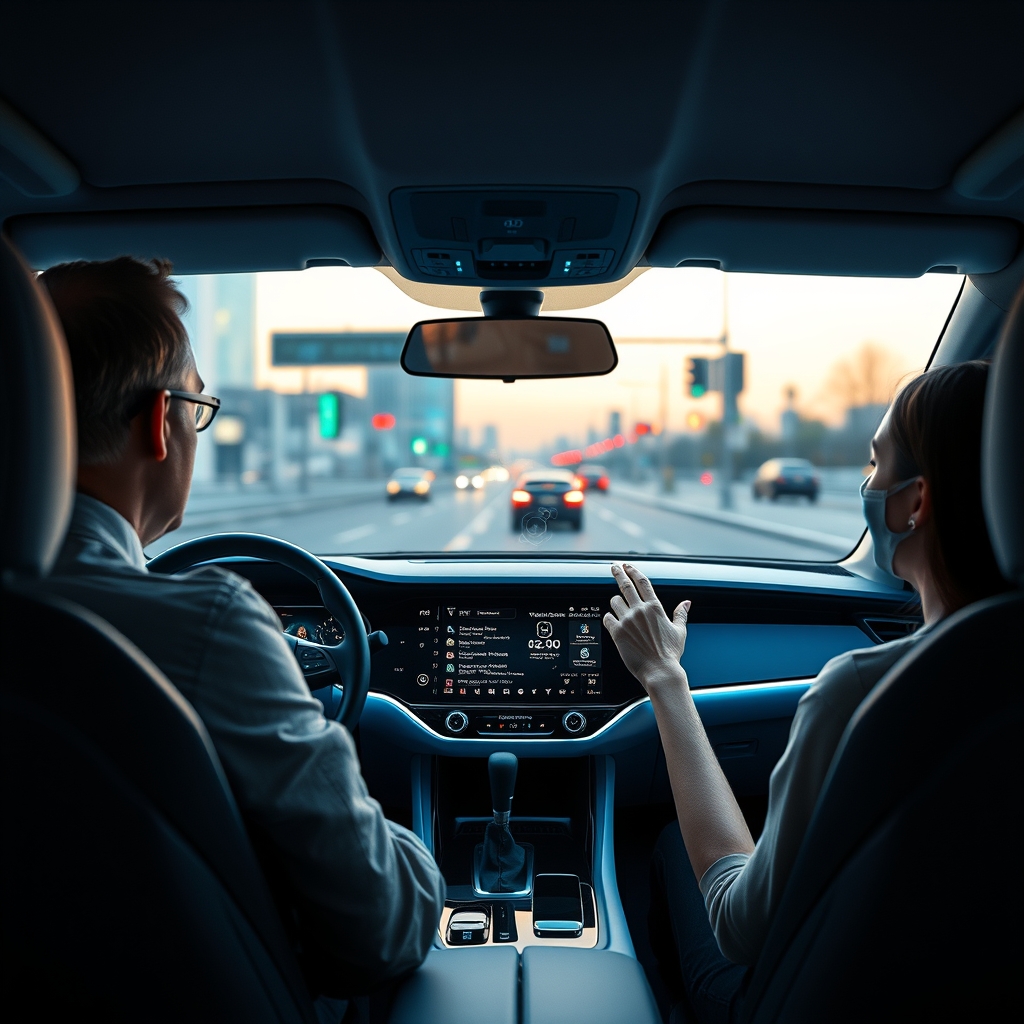
Connectivity isn’t just about what’s happening outside the car; it’s also transforming the in-cabin experience. Today’s drivers and passengers expect their vehicles to be an extension of their digital lives, seamlessly integrating with smartphones, smart homes, and personal assistants. Infotainment systems have evolved from simple radio interfaces to sophisticated platforms that offer voice-activated controls, personalized content, and even biometric monitoring.
Artificial intelligence plays a pivotal role in this personalization. AI-powered virtual assistants, like those found in many modern vehicles, can learn a driver’s preferences over time—adjusting seat positions, climate settings, and even suggesting favorite playlists based on the time of day or driving conditions. Some systems can even detect driver fatigue or stress levels through voice analysis and facial recognition, prompting breaks or adjusting the cabin environment to improve comfort and safety.
The Challenges of a Connected Future
While the benefits of connected car technology are undeniable, the road ahead is not without its challenges. Cybersecurity is a major concern, as the increasing connectivity of vehicles opens new avenues for hacking and data breaches. Automakers and tech companies are investing heavily in securing vehicle networks, but the cat-and-mouse game with cybercriminals is ongoing. Ensuring the privacy and security of driver data is paramount, as is building consumer trust in these emerging technologies.
Another challenge is the fragmentation of the connected car ecosystem. With multiple automakers, tech companies, and service providers developing their own platforms and standards, interoperability becomes a critical issue. For connected car technology to reach its full potential, industry-wide collaboration is essential. Initiatives like the Connected Vehicle Trade Association (CVTA) are working to establish common standards, but the path to a unified ecosystem is complex and fraught with competing interests.
The Road Ahead: What’s Next for Connected Cars?
The future of connected car technology is brimming with possibilities. As artificial intelligence and machine learning continue to advance, we can expect even more intuitive and predictive systems. Imagine a car that not only knows your schedule but can also anticipate your needs—pre-cooling the cabin before you step in, suggesting alternate routes based on real-time events, or even ordering your morning coffee as you approach your favorite café.
Autonomous driving is another frontier where connectivity will play a crucial role. While fully self-driving cars are still years away from widespread adoption, connected technologies are paving the way for incremental advancements. Features like automated parking, highway autopilot, and traffic jam assist are already making driving safer and more convenient, and these capabilities will only improve as connectivity becomes more robust.
As we stand on the cusp of this new era, it’s clear that the driving experience is being redefined in ways that extend far beyond the traditional metrics of speed and power. The cars of tomorrow will be defined by their intelligence, their ability to adapt, and their seamless integration into our digital lives. The journey has just begun, and the road ahead promises to be as exciting as the destinations we seek.
About the Author