The automotive industry is undergoing a seismic shift, not just in how cars are powered, but in how they perform. While electric vehicles (EVs) have dominated headlines for their zero-emission promises, hybrid powertrains are quietly revolutionizing the driving experience by blending efficiency with exhilaration. For enthusiasts and everyday drivers alike, hybrids are proving that sustainability doesn’t have to come at the cost of performance—or fun.
The Hybrid Advantage: More Than Just Fuel Savings
At their core, hybrid vehicles combine an internal combustion engine (ICE) with one or more electric motors, creating a symbiotic relationship that maximizes efficiency. Unlike fully electric cars, hybrids don’t rely solely on battery power, eliminating range anxiety and the need for frequent charging. This makes them an ideal transition technology for those hesitant to fully embrace EVs but still eager to reduce their carbon footprint.
However, the benefits of hybrids extend far beyond fuel economy. Modern hybrid systems, such as Toyota’s Hybrid Synergy Drive or Honda’s e:HEV, are engineered to deliver instant torque from the electric motor, resulting in smoother acceleration and a more responsive driving experience. This seamless power delivery bridges the gap between the linear thrust of an EV and the traditional rev-happy nature of a gasoline engine, offering the best of both worlds.
Performance Without Compromise
One of the most persistent myths about hybrids is that they sacrifice performance for efficiency. Yet, automakers are shattering this stereotype by integrating hybrid technology into high-performance models. Take, for example, the Acura NSX, a hybrid supercar that leverages a twin-turbo V6 engine paired with three electric motors. The result? A blistering 0-60 mph time of just 2.9 seconds, all while achieving fuel efficiency that would make most sedans envious.
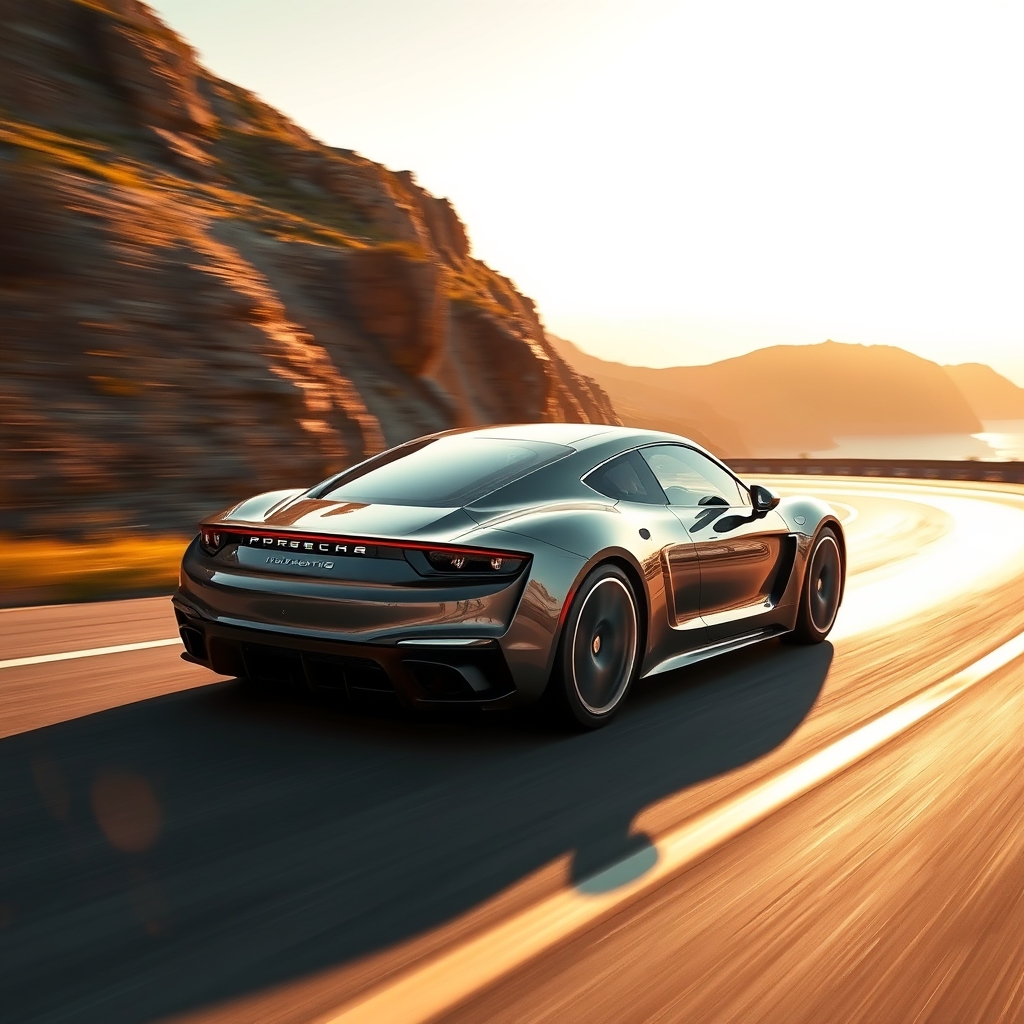
Similarly, the Porsche Panamera Turbo S E-Hybrid combines a 4.0-liter V8 with an electric motor to produce a staggering 689 horsepower. This hybrid powertrain doesn’t just enhance efficiency—it elevates the driving dynamics, with all-wheel drive and precise torque vectoring that make the Panamera a track-worthy beast. These examples prove that hybrids aren’t just about saving fuel; they’re about redefining what performance can—and should—be.
Engineering Ingenuity: How Hybrids Work Their Magic
The secret to a hybrid’s performance lies in its sophisticated powertrain architecture. Most hybrids fall into one of three categories: parallel, series, or power-split. Parallel hybrids, like the Ford Fusion Hybrid, allow both the ICE and electric motor to drive the wheels simultaneously, optimizing power delivery based on driving conditions. Series hybrids, such as the BMW i3 with Range Extender, rely primarily on the electric motor, with the ICE acting as a generator to recharge the battery. Power-split hybrids, like those in Toyota’s lineup, use a planetary gear system to seamlessly blend power from both sources.
Regenerative braking is another game-changer. When the driver applies the brakes, kinetic energy is captured and converted into electrical energy, which is then stored in the battery. This not only improves efficiency but also enhances the driving experience by providing a more connected, responsive feel behind the wheel. It’s a small detail that makes a big difference, turning everyday commutes into something more engaging.
The Role of Software in Hybrid Performance
While hardware is critical, the real intelligence of a hybrid powertrain lies in its software. Advanced algorithms continuously monitor driving conditions, battery levels, and power demands to optimize performance in real time. For instance, in a sporty hybrid like the Lexus LC 500h, the system can prioritize electric power for silent, emissions-free cruising in urban areas, then seamlessly switch to the V6 engine for spirited highway driving. This level of adaptability ensures that hybrids are never just one-trick ponies—they’re versatile machines that adapt to the driver’s needs.
The Future of Hybrid Technology
As battery technology improves and charging infrastructure expands, hybrids are evolving beyond their role as transitional vehicles. Plug-in hybrids (PHEVs), like the Volvo XC60 Recharge, offer extended electric-only range, making them a compelling option for those who can charge at home but still want the flexibility of a gasoline engine for longer trips. Meanwhile, mild hybrids, which use a small electric motor to assist the ICE, are becoming increasingly common in mainstream models, offering a cost-effective way to boost efficiency without a full hybrid system.
Looking ahead, we can expect hybrids to play a pivotal role in motorsports, where efficiency and performance are equally critical. Formula 1’s hybrid power units, for example, have already demonstrated that hybrids can be both thrilling and technologically advanced. As automakers continue to push the boundaries of what’s possible, hybrids will likely become even more integrated into high-performance and luxury segments, proving that the future of driving isn’t just electric—it’s electrifying.
For drivers who refuse to choose between sustainability and excitement, hybrids offer a compelling answer. They’re not just a stepping stone to an all-electric future; they’re a testament to the ingenuity of automotive engineering, where every component is optimized to deliver a driving experience that’s as efficient as it is exhilarating. As the road ahead unfolds, one thing is clear: the hybrid revolution is just getting started, and the best is yet to come.
About the Author