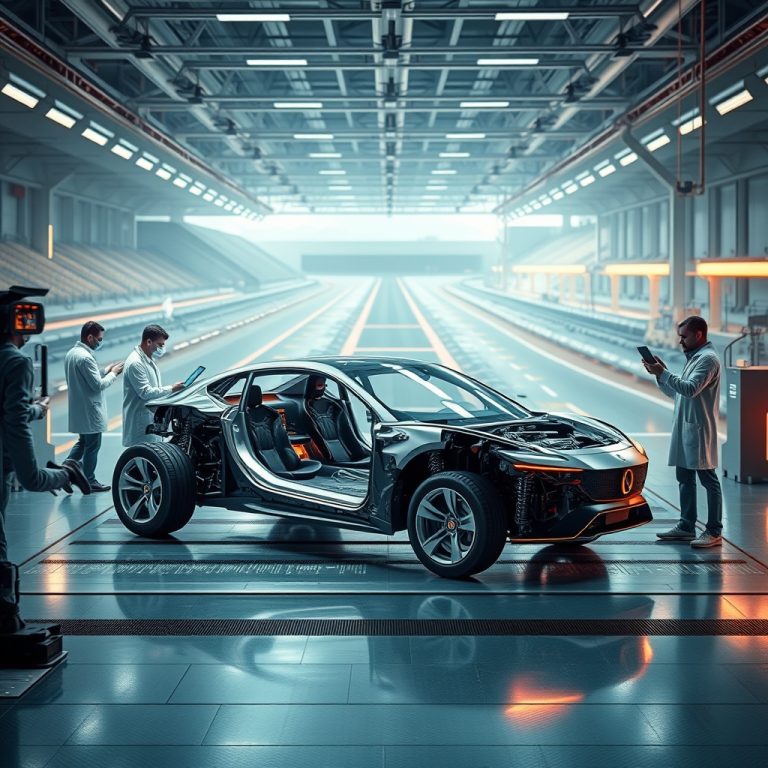
In the intricate world of automotive engineering, where cutting-edge technology and mechanical precision converge, one component often goes unnoticed despite being the lifeline of every modern vehicle: the wiring harness. This complex network of cables, connectors, and terminals is the nervous system of a car, transmitting critical signals and power that enable everything from engine performance to infotainment systems. Without it, even the most advanced vehicles would be rendered immobile, their sophisticated electronics reduced to inert metal and plastic.
The Evolution of Automotive Wiring Harnesses
The history of automotive wiring harnesses is a testament to the industry’s relentless pursuit of efficiency and reliability. In the early days of automobiles, wiring was a rudimentary affair—simple point-to-point connections that sufficed for basic electrical needs like ignition and lighting. However, as vehicles evolved, so did their electrical demands. The introduction of electronic fuel injection, anti-lock braking systems, and onboard diagnostics in the late 20th century necessitated a more organized and robust approach to wiring. Thus, the modern wiring harness was born, a meticulously designed assembly that consolidates hundreds of wires into a single, manageable unit.
Today, wiring harnesses are marvels of engineering, tailored to the specific needs of each vehicle model. They are designed to withstand extreme temperatures, vibrations, and environmental conditions while ensuring seamless communication between electronic control units (ECUs). The shift toward electric vehicles (EVs) has further elevated their importance, as these vehicles rely heavily on high-voltage wiring harnesses to manage power distribution between the battery, motor, and other critical systems.
The Anatomy of a Wiring Harness
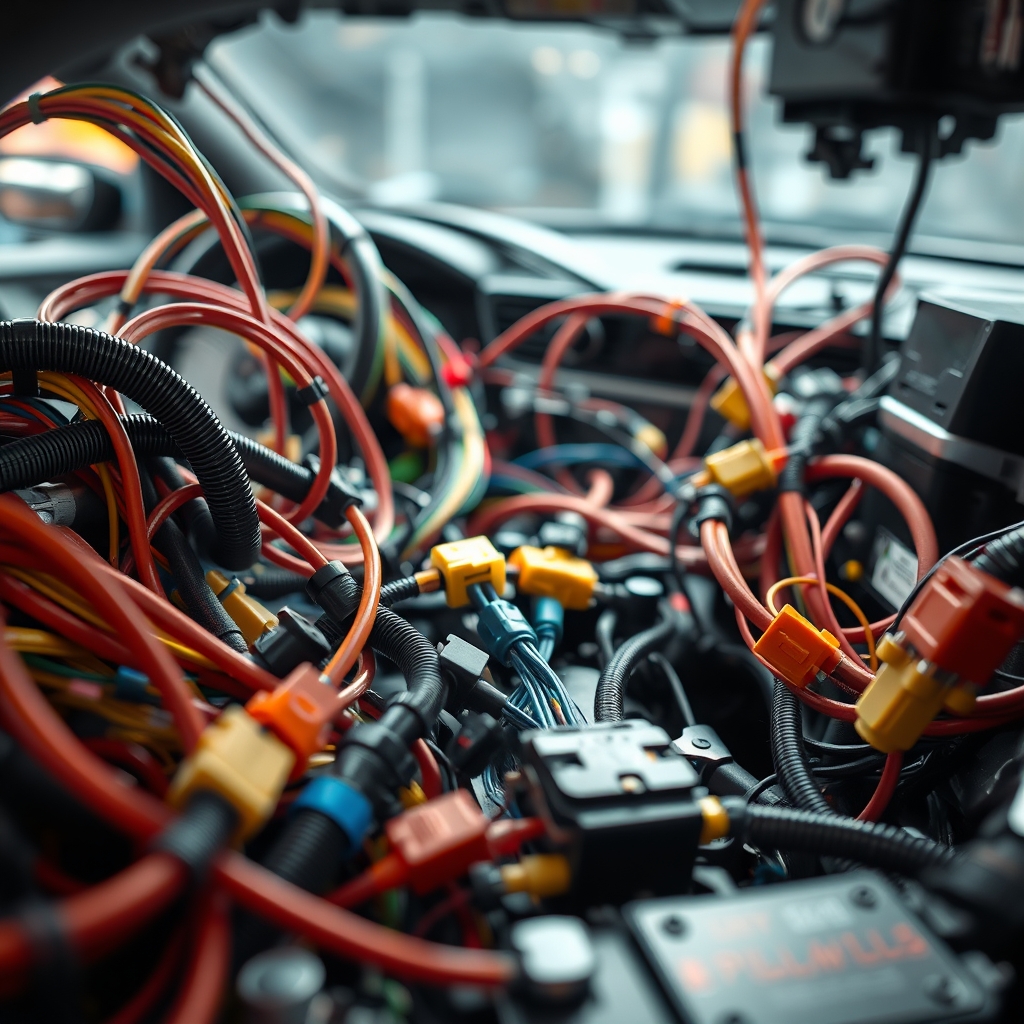
A typical automotive wiring harness is a labyrinth of wires, each serving a distinct purpose. The primary components include:
1. Wires and Cables
These are the conduits for electrical signals and power. Modern vehicles use a variety of wire types, including copper for its excellent conductivity and aluminum for its lightweight properties. Insulation materials, such as PVC or cross-linked polyethylene, protect the wires from abrasion, moisture, and heat. In EVs, high-voltage cables are often shielded to prevent electromagnetic interference, which could disrupt sensitive electronics.
2. Connectors and Terminals
Connectors are the interfaces that join wires to components or other wires. They must be durable, corrosion-resistant, and capable of maintaining a secure connection even under harsh conditions. Terminals, the metal ends of wires, are crimped or soldered to ensure a reliable electrical connection. Advances in connector technology, such as waterproof and vibration-resistant designs, have significantly improved the longevity and performance of wiring harnesses.
3. Protective Sheathing
To safeguard the wiring from external damage, harnesses are often encased in protective sheathing. This can include corrugated tubing, braided sleeving, or adhesive tapes, all of which shield the wires from heat, chemicals, and physical wear. In some cases, harnesses are routed through channels in the vehicle’s body to minimize exposure to potential hazards.
4. Sensors and Modules
Modern wiring harnesses often integrate sensors and modules that monitor various aspects of vehicle performance. For example, temperature sensors embedded in the harness can detect overheating, while voltage sensors ensure that electrical systems are operating within safe parameters. These components are critical for the vehicle’s onboard diagnostics, enabling real-time monitoring and troubleshooting.
The Role of Wiring Harnesses in Vehicle Innovation
The wiring harness is not just a passive component; it is an enabler of automotive innovation. As vehicles become more connected and autonomous, the demands on wiring harnesses have grown exponentially. Advanced driver-assistance systems (ADAS), for instance, rely on a network of cameras, radar, and lidar sensors, all of which require precise and reliable wiring to function. Similarly, infotainment systems, with their touchscreens, voice controls, and connectivity features, depend on robust wiring to deliver a seamless user experience.
In electric vehicles, wiring harnesses play an even more critical role. High-voltage harnesses must safely distribute power from the battery to the electric motor, while also managing the vehicle’s charging system. These harnesses are designed to handle currents of up to 1,000 volts or more, requiring specialized materials and insulation to prevent electrical faults. The transition to solid-state batteries and faster charging technologies will further push the boundaries of wiring harness design, demanding even greater efficiency and reliability.
Challenges and Future Trends
Despite their importance, wiring harnesses face several challenges in the modern automotive landscape. One of the most significant is weight. As vehicles incorporate more electronics, the wiring harness can become one of the heaviest components in the car. Automakers are addressing this issue by exploring lightweight materials, such as aluminum wiring and advanced polymers, to reduce overall vehicle weight and improve fuel efficiency.
Another challenge is complexity. With vehicles now containing dozens of ECUs and thousands of wires, designing and manufacturing wiring harnesses has become a highly specialized task. Automakers are increasingly turning to automation and digital design tools to streamline the process. Computer-aided design (CAD) software allows engineers to simulate and optimize harness layouts before production, reducing errors and improving efficiency.
Looking ahead, the future of wiring harnesses is closely tied to the evolution of automotive technology. The rise of autonomous vehicles will require even more sophisticated wiring solutions, capable of supporting the vast array of sensors and computing power needed for self-driving capabilities. Additionally, the push toward sustainability is driving innovation in materials, with researchers exploring biodegradable and recyclable options for wiring insulation and connectors.
As vehicles continue to evolve, the wiring harness will remain an unsung hero, quietly enabling the innovations that define the future of mobility. It is a testament to the ingenuity of automotive engineers, who transform a seemingly simple component into the backbone of modern transportation. Every time you start your car, adjust your seat, or connect your smartphone to the infotainment system, remember that it is the invisible thread of the wiring harness that makes it all possible, weaving together the complex tapestry of technology that powers the vehicles of today and tomorrow.
About the Author