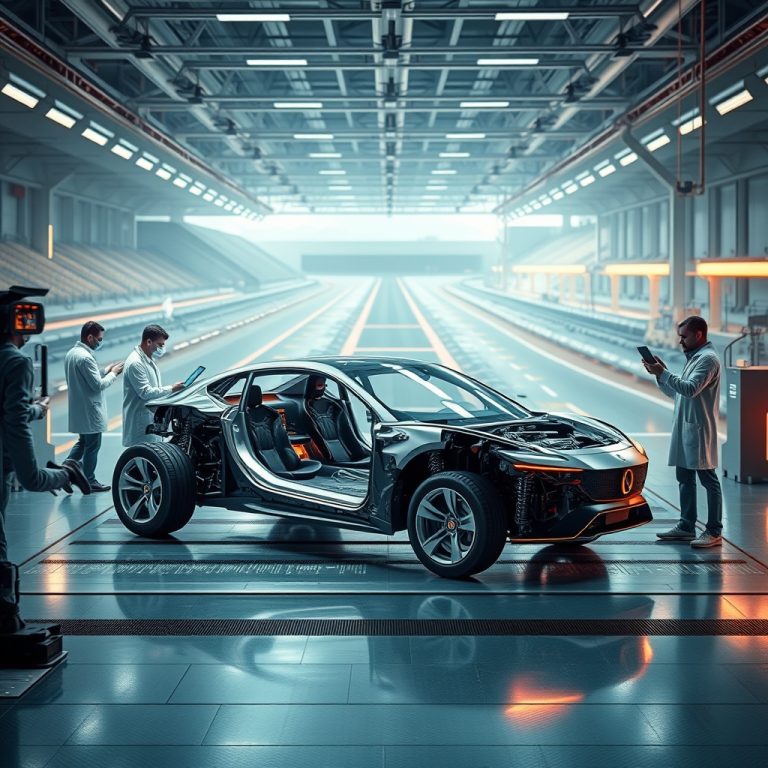
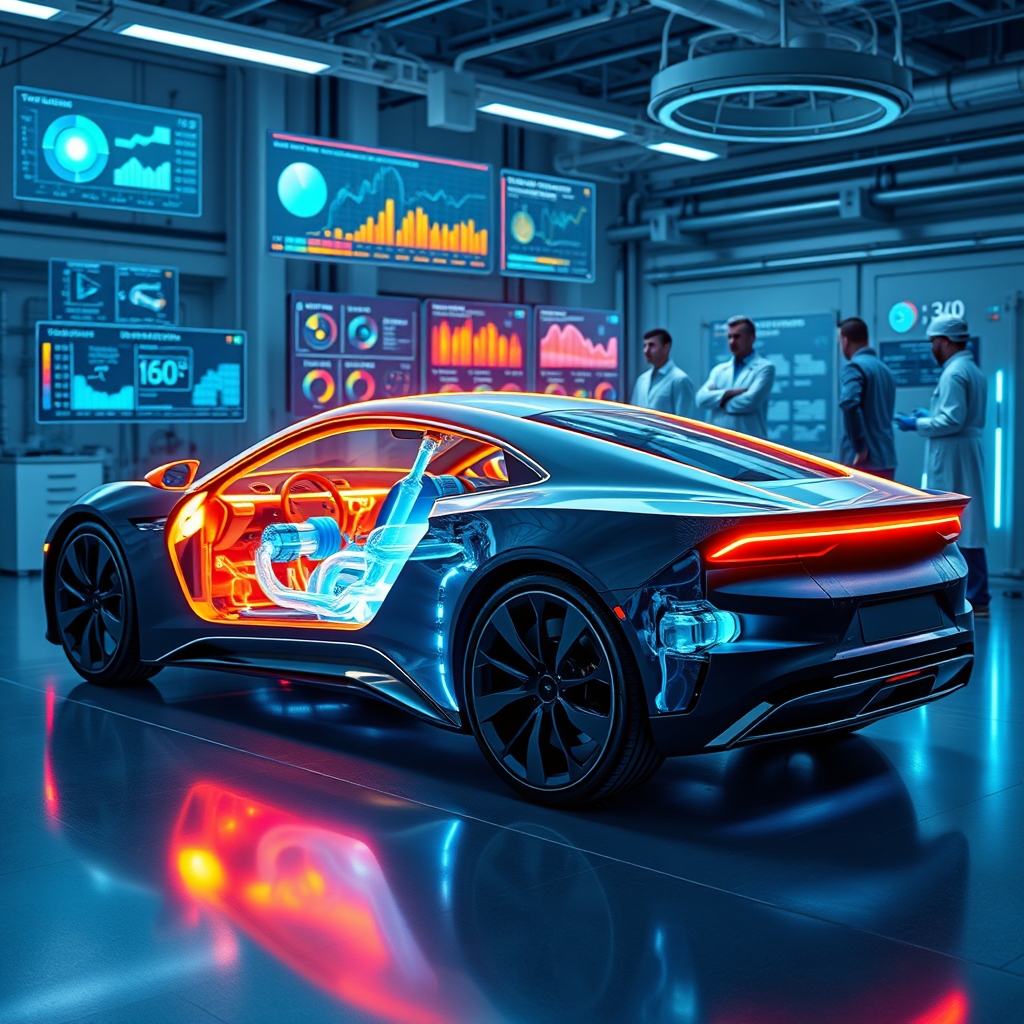
In the high-stakes world of automotive engineering, where every component is pushed to its limits, one critical aspect often flies under the radar: thermal management. While horsepower, torque, and aerodynamics dominate headlines, the silent battle against heat is what truly determines a vehicle’s performance, efficiency, and lifespan. From the scorching temperatures of a high-performance engine to the delicate balance required in electric vehicle (EV) battery packs, advanced thermal management systems are the unsung heroes keeping modern automobiles running at their peak.
The Heat Challenge: Why Thermal Management Matters
Heat is the natural byproduct of any mechanical or electrical process, and in automobiles, it’s both a friend and a foe. Controlled heat is essential for optimal engine performance, catalytic converter efficiency, and even passenger comfort. However, uncontrolled heat is a destructive force that accelerates wear, degrades materials, and can lead to catastrophic failures. In internal combustion engines (ICEs), excessive heat can cause piston seizure, warped cylinder heads, or oil breakdown. In EVs, thermal runaway in battery packs can lead to fires, while excessive heat in power electronics reduces efficiency and shortens component life.
The challenge is compounded by the increasing power densities of modern vehicles. Turbocharged engines, hybrid powertrains, and high-capacity EV batteries generate more heat in smaller spaces, demanding smarter, more efficient cooling solutions. Traditional methods like air cooling or basic liquid cooling are no longer sufficient. Today’s thermal management systems are a symphony of advanced materials, intelligent controls, and innovative engineering, all working in harmony to keep temperatures in check.
From Passive to Active: The Evolution of Cooling Systems
Early automotive cooling systems were relatively simple, relying on passive methods like airflow through radiators or oil coolers. As engines became more powerful, liquid cooling systems took over, using water or coolant to transfer heat away from critical components. However, these systems were often reactive, responding to temperature spikes rather than preventing them.
Modern thermal management has shifted toward proactive, predictive systems that anticipate heat buildup before it becomes a problem. Advanced sensors, real-time data analytics, and machine learning algorithms now monitor temperatures across multiple components, adjusting cooling strategies dynamically. For example, in high-performance vehicles, active grille shutters can open or close to optimize airflow, while electric water pumps and variable-speed fans adjust cooling rates based on demand. In EVs, battery thermal management systems (BTMS) use liquid cooling plates, phase-change materials, or even immersion cooling to maintain optimal battery temperatures, ensuring both performance and safety.
The Role of Materials in Thermal Management
Materials science has played a pivotal role in advancing thermal management. Traditional metals like aluminum and copper are still widely used for their excellent thermal conductivity, but engineers are increasingly turning to advanced composites and ceramics to push the boundaries of efficiency. For instance, graphene-based thermal interface materials (TIMs) are being used to improve heat transfer between components, while aerogels and phase-change materials (PCMs) absorb and dissipate heat more effectively than conventional solutions.
In EVs, thermal management extends beyond the battery pack. Power electronics, such as inverters and converters, generate significant heat and require specialized cooling solutions. Silicon carbide (SiC) and gallium nitride (GaN) semiconductors, which operate at higher temperatures than traditional silicon, are enabling more compact and efficient power electronics. However, their higher operating temperatures demand equally advanced cooling strategies, such as microchannel heat sinks or direct liquid cooling.
Thermal Management in Electric Vehicles: A Unique Challenge
Electric vehicles present a unique thermal management challenge. Unlike ICEs, which generate heat primarily in the engine and exhaust system, EVs distribute heat across multiple components, including the battery pack, electric motor, power electronics, and even the cabin. The battery pack, in particular, is a thermal management hotspot. Lithium-ion batteries operate most efficiently within a narrow temperature range—typically between 20°C and 40°C (68°F and 104°F). Temperatures outside this range can reduce performance, degrade battery life, or, in extreme cases, trigger thermal runaway.
To address this, EV manufacturers are adopting sophisticated BTMS that combine liquid cooling, thermal insulation, and intelligent software. Tesla, for example, uses a glycol-based coolant to circulate through channels in its battery packs, while companies like Rimac and Lucid Motors employ immersion cooling, where the battery cells are submerged in a dielectric fluid that absorbs and dissipates heat more efficiently than air or traditional liquid cooling. These systems are not only more effective but also more compact, freeing up space for larger battery packs or additional passenger amenities.
The Future: Integrated Thermal Management Systems
The next frontier in thermal management is integration. Rather than treating each component as a separate thermal challenge, engineers are developing holistic systems that manage heat across the entire vehicle. For example, waste heat from the battery pack or power electronics can be repurposed to warm the cabin, reducing the energy demand on the HVAC system. Similarly, heat generated by the electric motor can be used to precondition the battery in cold weather, improving efficiency and range.
This integrated approach is particularly valuable in hybrid vehicles, where the thermal management system must juggle the demands of both the ICE and the electric powertrain. By sharing cooling loops, heat exchangers, and even thermal storage materials, these systems can reduce weight, improve efficiency, and lower costs. For instance, BMW’s latest hybrid models use a single cooling circuit that serves both the engine and the electric motor, with a heat pump that recovers waste heat for cabin heating.
Beyond Performance: Thermal Management and Sustainability
Thermal management is not just about performance—it’s also a key factor in sustainability. Efficient cooling systems reduce energy consumption, which is particularly important in EVs, where every watt saved translates to extended range. Moreover, advanced thermal management can extend the lifespan of components, reducing the need for replacements and lowering the environmental impact of manufacturing.
Innovations like waste heat recovery and thermal energy storage are also contributing to greener vehicles. For example, some EVs now use phase-change materials to store excess heat, which can then be used to warm the cabin or precondition the battery, reducing the load on the HVAC system. Similarly, thermoelectric generators (TEGs) are being explored as a way to convert waste heat from the exhaust or battery into usable electricity, further improving efficiency.
As the automotive industry continues to evolve, thermal management will remain a critical enabler of innovation. Whether it’s squeezing more power out of a high-performance engine, extending the range of an EV, or improving the durability of a hybrid powertrain, the invisible guardians of heat control are working tirelessly behind the scenes. Their role may be unseen, but their impact is undeniable—shaping not just how vehicles perform today, but how they will drive the future forward.
About the Author