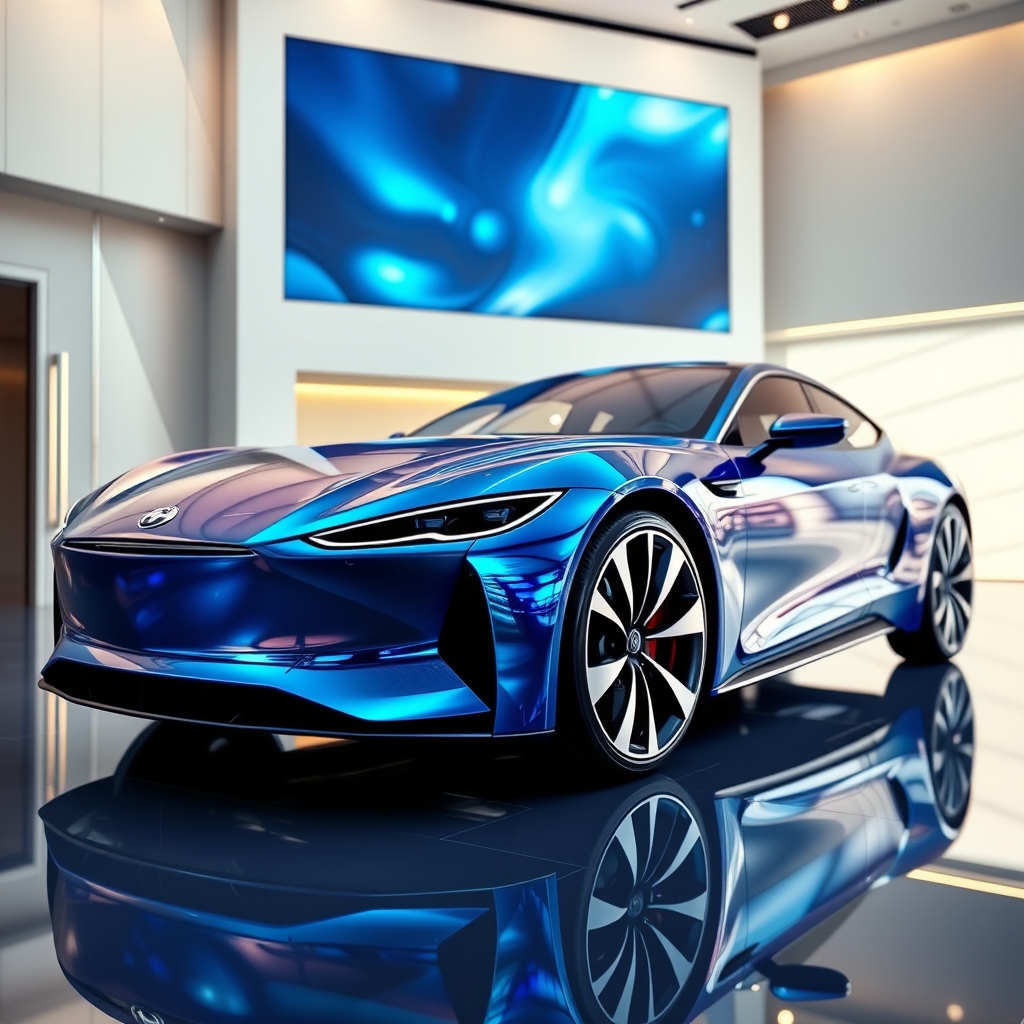
The automotive world is often celebrated for its engineering marvels—horsepower, aerodynamics, and cutting-edge technology. Yet, one of the most transformative and often overlooked aspects of a vehicle is its paint. More than just a layer of color, automotive paint is a sophisticated blend of chemistry, artistry, and innovation that plays a pivotal role in aesthetics, durability, and even performance. From the showroom floor to the open road, the alchemy of automotive paint is redefining how we perceive and interact with cars.
The Science Behind the Shine
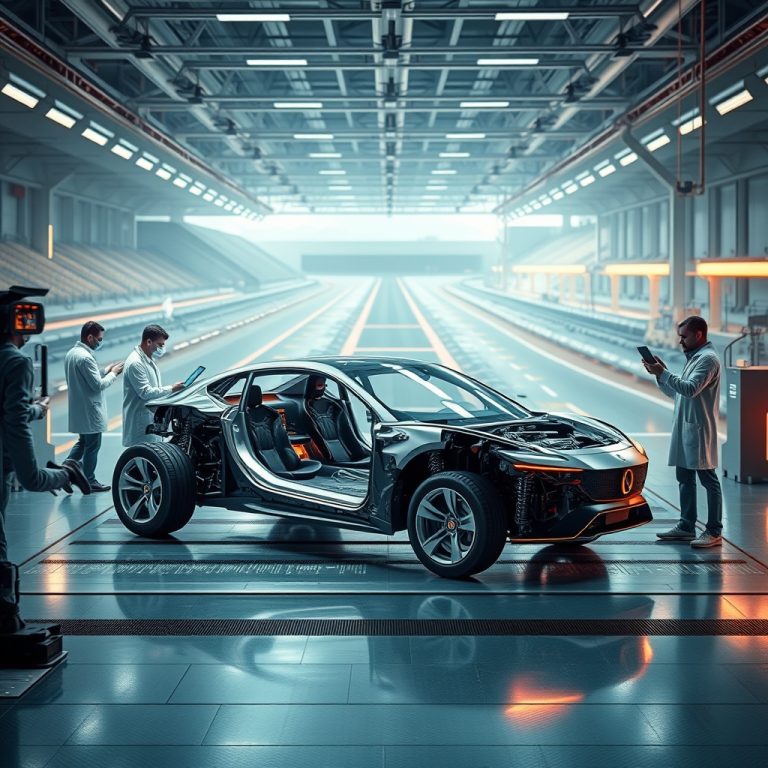
Automotive paint is far from a simple coating. It is a multi-layered system designed to protect, enhance, and endure. The process typically begins with a primer, which ensures adhesion to the vehicle’s body and provides corrosion resistance. Next comes the basecoat, the layer that delivers the actual color. This is where the magic happens—pigments, metallic flakes, or pearlescent particles are meticulously blended to create hues that shift with light, depth, and perspective. Finally, a clearcoat is applied, offering a glossy finish that shields the underlying layers from UV rays, scratches, and environmental contaminants.
The chemistry behind these layers is nothing short of remarkable. Modern automotive paints often incorporate nanotechnology, allowing for self-healing properties that can repair minor scratches over time. Some advanced formulations even include ceramic particles, which enhance durability and resistance to the elements. The result is a finish that not only looks stunning but also stands the test of time, maintaining its luster for years.
The Art of Color Psychology
Color is more than just a visual choice—it is a powerful tool that influences perception, emotion, and even purchasing decisions. Automotive manufacturers invest heavily in color psychology, understanding that the right hue can evoke feelings of luxury, sportiness, or tranquility. For instance, deep blues and blacks are often associated with sophistication and elegance, making them popular choices for premium vehicles. On the other end of the spectrum, vibrant reds and oranges convey energy and excitement, often seen in sports cars and performance models.
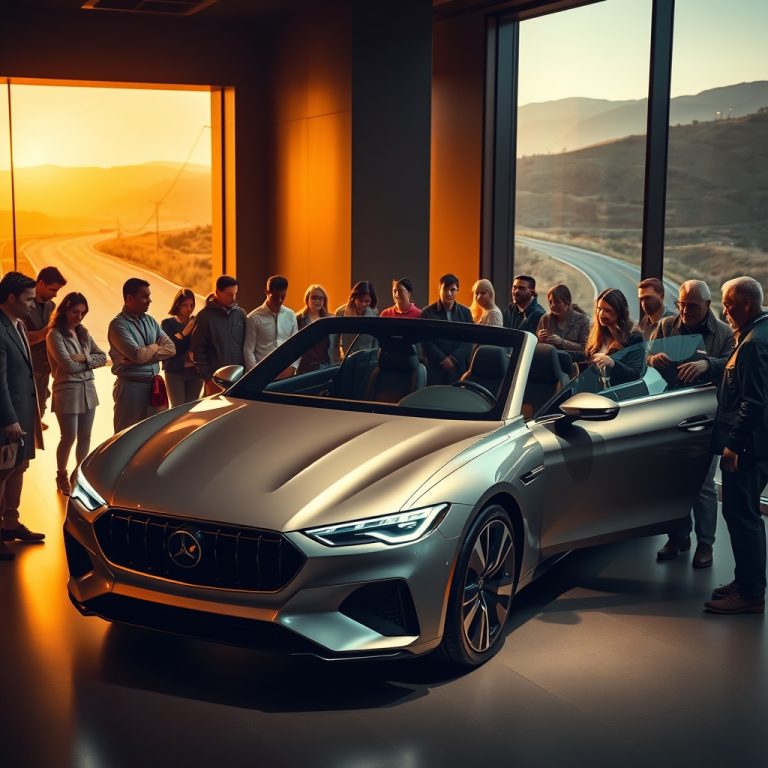
In recent years, the automotive industry has seen a surge in customization, with buyers seeking unique colors that reflect their personality. This demand has led to the rise of bespoke paint options, where customers can choose from an extensive palette or even collaborate with designers to create a one-of-a-kind hue. The result is a vehicle that is not just a mode of transportation but a statement of individuality.
The Role of Light and Reflection
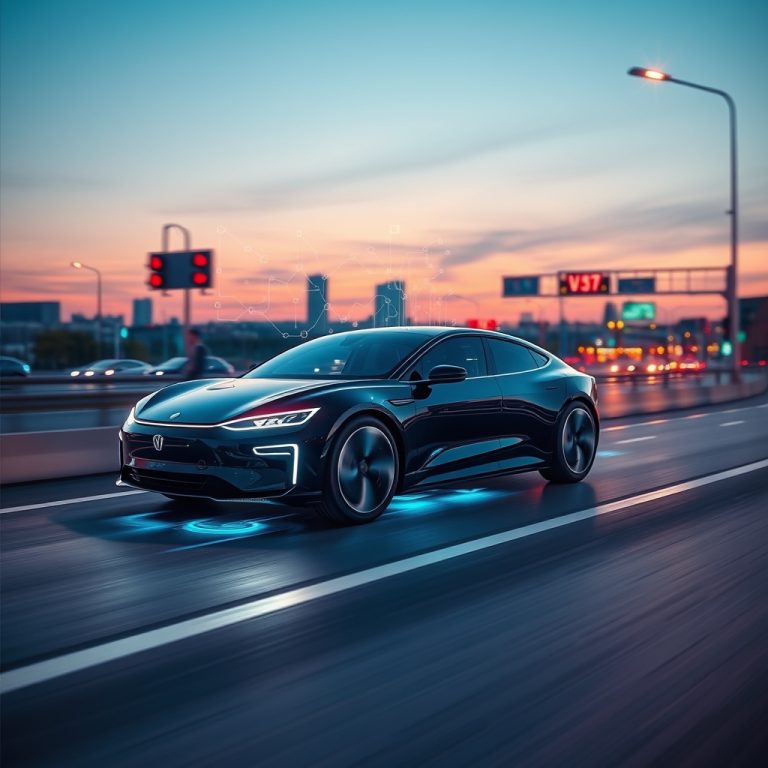
One of the most fascinating aspects of automotive paint is its interaction with light. Metallic and pearlescent finishes, for example, contain tiny flakes of aluminum or mica that reflect light in different ways, creating a dynamic, shimmering effect. This play of light and shadow can make a car appear more three-dimensional, enhancing its curves and contours. It’s no wonder that these finishes are often reserved for high-end models, where every detail is designed to captivate.
Advancements in paint technology have also given rise to color-shifting finishes, where the hue appears to change depending on the angle of view or lighting conditions. These chameleon-like effects are achieved through the use of specialized pigments that refract light in unique ways. The result is a mesmerizing visual experience that turns heads and sparks conversation.
Sustainability in Automotive Paint
As the automotive industry shifts toward sustainability, paint manufacturers are rethinking their processes to reduce environmental impact. Traditional solvent-based paints, while effective, release volatile organic compounds (VOCs) that contribute to air pollution. In response, waterborne paints have emerged as a greener alternative, significantly reducing VOC emissions without compromising on quality or durability.
In addition to waterborne formulations, the industry is exploring bio-based paints derived from renewable resources like plant oils and resins. These eco-friendly alternatives not only lower the carbon footprint but also offer unique aesthetic properties, such as deeper colors and enhanced gloss. As sustainability becomes a priority, the future of automotive paint lies in balancing performance, beauty, and environmental responsibility.
The Future of Automotive Paint
The next frontier in automotive paint is already taking shape, with innovations that push the boundaries of what’s possible. Self-cleaning paints, for example, use hydrophobic coatings to repel dirt and water, keeping vehicles cleaner for longer. Meanwhile, thermochromic paints are being developed to change color in response to temperature fluctuations, offering a dynamic and interactive experience for drivers and onlookers alike.
Another exciting development is the integration of smart technology into automotive paint. Imagine a car that can change its color at the touch of a button, or a finish that displays patterns or messages when exposed to certain conditions. These advancements are not just futuristic fantasies—they are becoming a reality, thanks to the relentless pursuit of innovation in the field.
Automotive paint is a silent yet powerful force in the world of cars. It transforms metal and plastic into works of art, protects vehicles from the elements, and reflects the personality of their owners. As technology and creativity continue to evolve, the possibilities for automotive paint are limitless. Whether it’s a classic shade that stands the test of time or a cutting-edge finish that pushes the boundaries of design, one thing is certain: the alchemy of automotive paint will continue to captivate and inspire for generations to come.
About the Author