
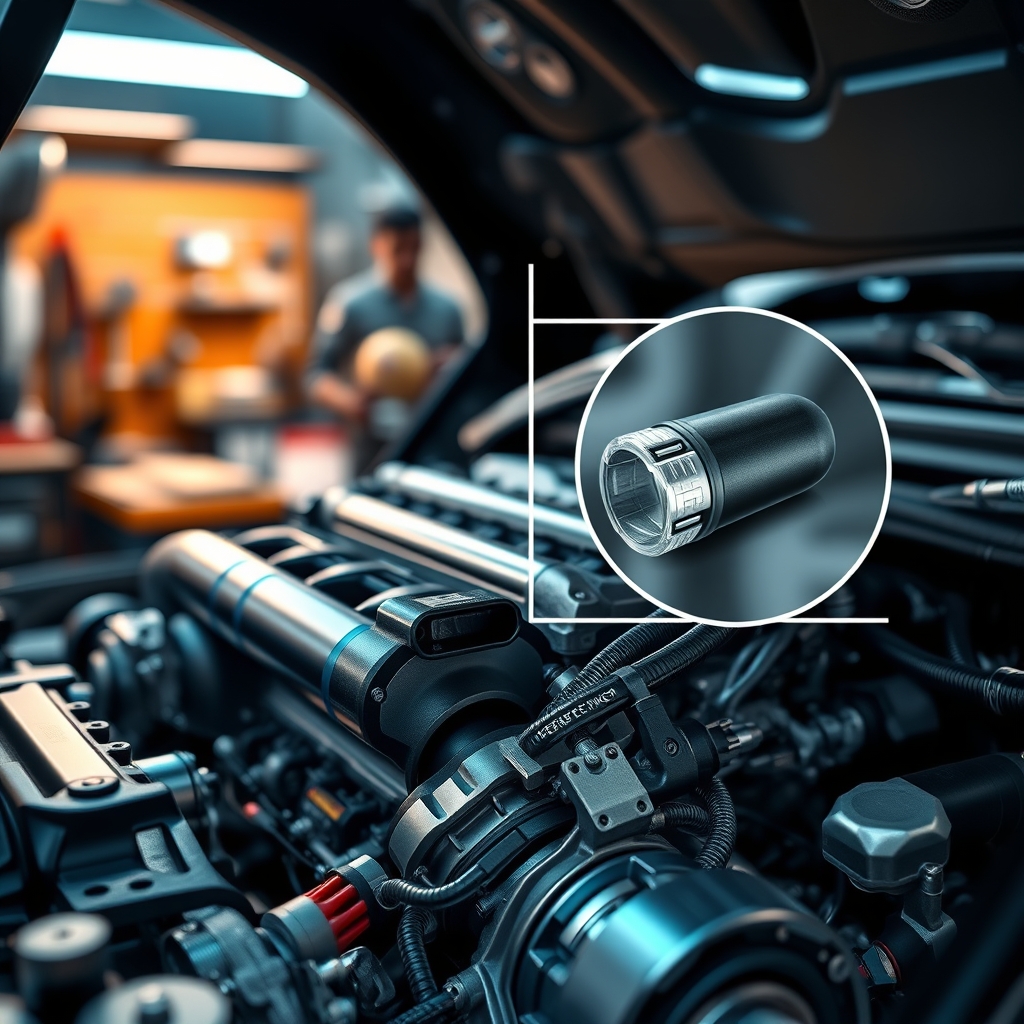
In the intricate symphony of modern automotive engineering, few components operate as silently yet critically as the knock sensor. Tucked away within the engine bay, this unassuming device plays a pivotal role in safeguarding performance, optimizing efficiency, and extending the lifespan of an engine. While it may lack the glamour of turbochargers or the visibility of advanced infotainment systems, the knock sensor is a cornerstone of contemporary powertrain technology, ensuring that every combustion cycle unfolds with precision.
The Science Behind Engine Knock
Engine knock, often described as a metallic pinging or rattling sound, occurs when fuel ignites prematurely in the combustion chamber. This phenomenon, also known as detonation, creates pressure waves that collide with the rising piston, generating stress that can damage engine components over time. Knock is typically triggered by factors such as low-octane fuel, excessive engine load, or advanced ignition timing. Left unchecked, it can lead to catastrophic failures, including cracked pistons, damaged cylinder walls, or compromised head gaskets.
The knock sensor acts as the engine’s vigilant guardian, detecting these irregular vibrations and relaying the data to the engine control unit (ECU). By monitoring the frequency and intensity of knock, the sensor enables the ECU to make real-time adjustments to ignition timing, fuel mixture, or boost pressure in turbocharged engines. This dynamic response not only prevents damage but also optimizes performance, ensuring that the engine operates at peak efficiency under varying conditions.
The Evolution of Knock Sensor Technology
Early knock sensors, introduced in the 1980s, relied on piezoelectric crystals to detect vibrations. These sensors were effective but limited in their sensitivity and response time. Modern iterations, however, leverage advanced materials and digital signal processing to deliver unparalleled accuracy. Broadband knock sensors, for instance, can detect a wider range of frequencies, allowing them to distinguish between harmless engine noise and genuine knock events. This precision reduces false positives, preventing unnecessary adjustments that could compromise performance or fuel economy.
In high-performance and turbocharged engines, knock sensors have become even more critical. Forced induction systems, while delivering exhilarating power, also increase the risk of knock due to higher cylinder pressures and temperatures. Here, knock sensors work in tandem with other sensors, such as manifold absolute pressure (MAP) and intake air temperature (IAT) sensors, to create a comprehensive feedback loop. This integration allows the ECU to fine-tune engine parameters dynamically, balancing power delivery with reliability.
Knock Sensors in the Age of Electrification
As the automotive industry pivots toward electrification, the role of knock sensors is evolving. While electric vehicles (EVs) eliminate the risk of knock entirely, hybrid powertrains—particularly those combining internal combustion engines with electric motors—still rely on these sensors to optimize efficiency. In hybrid systems, the engine often operates in a narrow, high-efficiency band, where knock can be particularly detrimental. Knock sensors ensure that the engine remains within its optimal performance envelope, maximizing fuel economy and reducing emissions.
Moreover, knock sensors are playing a role in the development of alternative fuels, such as ethanol blends and hydrogen. These fuels exhibit different combustion characteristics compared to gasoline, and knock sensors help engineers calibrate engines to accommodate these variations. By providing real-time feedback, they enable the safe and efficient integration of sustainable fuels into the automotive ecosystem.
The Unsung Benefits of Knock Sensor Optimization
Beyond their primary function of preventing engine damage, knock sensors offer a host of secondary benefits. By enabling precise control over ignition timing, they contribute to improved fuel efficiency, reducing both costs for drivers and environmental impact. In performance applications, knock sensors allow tuners to push engines closer to their limits without risking catastrophic failure, unlocking additional power while maintaining reliability.
For everyday drivers, knock sensors enhance the driving experience by ensuring smooth and consistent power delivery. Whether navigating city traffic or cruising on the highway, the engine adapts seamlessly to changing conditions, delivering optimal performance without the driver ever being aware of the sensor’s silent vigilance. This seamless operation is a testament to the sensor’s role as an invisible yet indispensable component of modern automotive engineering.
Diagnosing and Maintaining Knock Sensor Performance
Despite their robustness, knock sensors are not immune to wear or failure. Over time, exposure to heat, vibration, and contaminants can degrade their performance, leading to reduced sensitivity or false readings. Symptoms of a failing knock sensor include poor acceleration, reduced fuel economy, or the illumination of the check engine light. In some cases, the engine may enter a “limp mode” to prevent damage, severely limiting performance.
Diagnosing knock sensor issues typically involves scanning for diagnostic trouble codes (DTCs) using an OBD-II scanner. Common codes, such as P0325 (Knock Sensor Circuit Malfunction) or P0330 (Knock Sensor 2 Circuit Malfunction), indicate potential problems with the sensor or its wiring. In many cases, replacing the sensor is a straightforward process, though accessing it may require removing other components, depending on the engine’s design.
Regular maintenance, including using high-quality fuel and adhering to manufacturer-recommended service intervals, can prolong the life of a knock sensor. For enthusiasts and tuners, aftermarket knock sensors with enhanced sensitivity are available, offering improved performance in modified engines. However, it’s essential to ensure compatibility with the vehicle’s ECU and to recalibrate the engine’s parameters accordingly.
The knock sensor may not command the spotlight in automotive discussions, but its impact on performance, efficiency, and longevity is undeniable. As engines grow more complex and the demand for cleaner, more efficient powertrains intensifies, the role of this unassuming component will only become more critical. It stands as a testament to the ingenuity of automotive engineering, where even the smallest parts play a vital role in shaping the future of mobility. Whether in a high-performance sports car, a fuel-efficient hybrid, or a cutting-edge hydrogen-powered vehicle, the knock sensor remains a silent sentinel, ensuring that every journey is as smooth as it is powerful.
About the Author