The modern automobile is a marvel of engineering, a symphony of precision components working in harmony to deliver power, efficiency, and reliability. Yet, among the most critical yet often overlooked innovations is the catalytic converter—a device that has quietly revolutionized the way we think about emissions, performance, and environmental responsibility. Nestled within the exhaust system, this unassuming component is the unsung hero of cleaner air and more efficient engines, transforming harmful pollutants into less toxic substances before they ever leave the tailpipe.
The Science Behind the Magic
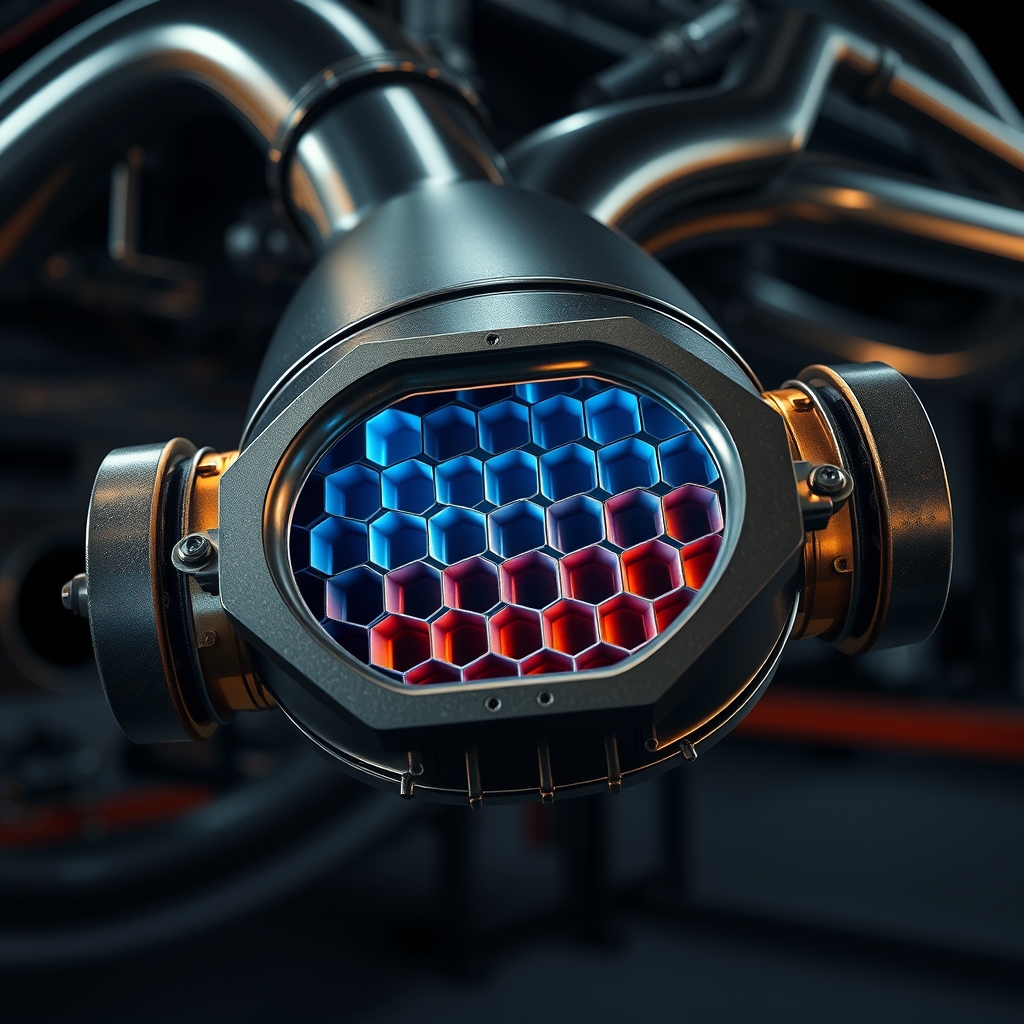
At its core, a catalytic converter is a chemical reactor. It contains a honeycomb-like structure coated with precious metals such as platinum, palladium, and rhodium, which act as catalysts. As exhaust gases flow through, these metals facilitate chemical reactions that break down harmful pollutants like carbon monoxide (CO), nitrogen oxides (NOx), and hydrocarbons (HC) into less harmful substances like carbon dioxide (CO₂), nitrogen (N₂), and water vapor (H₂O).
The process is nothing short of alchemical. Carbon monoxide, a colorless and odorless gas that can be lethal in high concentrations, is oxidized into carbon dioxide. Nitrogen oxides, which contribute to smog and acid rain, are reduced into nitrogen and oxygen. Hydrocarbons, which are unburned fuel particles, are broken down into water and carbon dioxide. This transformation happens in milliseconds, a testament to the efficiency and ingenuity of automotive engineering.
The Evolution of Catalytic Converters
The journey of the catalytic converter began in the 1970s, a response to growing concerns about air pollution and the environmental impact of automobiles. The first-generation converters were simple oxidation catalysts, primarily targeting carbon monoxide and hydrocarbons. However, as emissions regulations became stricter, the technology evolved to address nitrogen oxides as well, leading to the development of three-way catalytic converters in the 1980s.
Today, catalytic converters are more advanced than ever. Modern units are designed to operate efficiently across a wide range of temperatures and driving conditions, ensuring optimal performance whether you’re idling in traffic or cruising on the highway. Innovations such as close-coupled catalytic converters, which are positioned closer to the engine, allow for faster warm-up times, reducing emissions during cold starts—a critical factor in urban driving.
The Performance Paradox
For decades, there was a common misconception that catalytic converters hindered engine performance. The belief was that the device created backpressure in the exhaust system, restricting airflow and reducing power. While early designs did have some impact on performance, modern catalytic converters are engineered to minimize this effect. Advanced materials and designs ensure that exhaust gases flow smoothly, allowing engines to breathe freely while still meeting stringent emissions standards.
In fact, catalytic converters can even enhance performance in certain scenarios. By optimizing the combustion process and ensuring that the engine runs efficiently, they help maintain consistent power delivery. Moreover, the integration of catalytic converters with engine management systems allows for real-time adjustments that maximize both performance and emissions control. This synergy is particularly evident in high-performance and luxury vehicles, where precision engineering is paramount.
The Environmental Imperative
The role of catalytic converters extends far beyond the confines of the automobile. They are a cornerstone of global efforts to reduce air pollution and combat climate change. According to the Environmental Protection Agency (EPA), catalytic converters have reduced automotive emissions by over 90% since their introduction. This dramatic reduction has had a profound impact on air quality, particularly in urban areas where traffic congestion is a major contributor to pollution.
However, the environmental benefits of catalytic converters come with challenges. The precious metals used in their construction are rare and expensive, making them a target for theft. Additionally, the mining and refining of these metals have their own environmental and ethical implications. As the automotive industry continues to evolve, there is a growing focus on developing alternative materials and technologies that can deliver the same emissions-reducing benefits without the drawbacks.
The Future of Catalytic Converters
As the automotive landscape shifts toward electrification, the role of catalytic converters is poised to change. Electric vehicles (EVs) produce zero tailpipe emissions, rendering catalytic converters unnecessary in their current form. However, the transition to a fully electric future will take time, and internal combustion engines (ICEs) will continue to dominate the market for years to come. During this transition, catalytic converters will remain a critical component in reducing the environmental impact of traditional vehicles.
Innovations in catalytic converter technology are also on the horizon. Researchers are exploring the use of alternative materials, such as perovskites, which could reduce the reliance on precious metals. Additionally, advancements in nanotechnology may lead to more efficient and durable catalysts, further enhancing the performance and longevity of these devices. There is also ongoing work to integrate catalytic converters with hybrid powertrains, ensuring that even vehicles with both electric and internal combustion components can operate as cleanly as possible.
The story of the catalytic converter is one of quiet revolution. It is a testament to the power of innovation and the relentless pursuit of progress. While it may not capture the imagination like a roaring engine or a sleek design, its impact on our world is undeniable. As we look to the future, the catalytic converter will continue to play a vital role in shaping a cleaner, more sustainable automotive industry, proving that sometimes, the most transformative technologies are the ones we barely notice.
About the Author