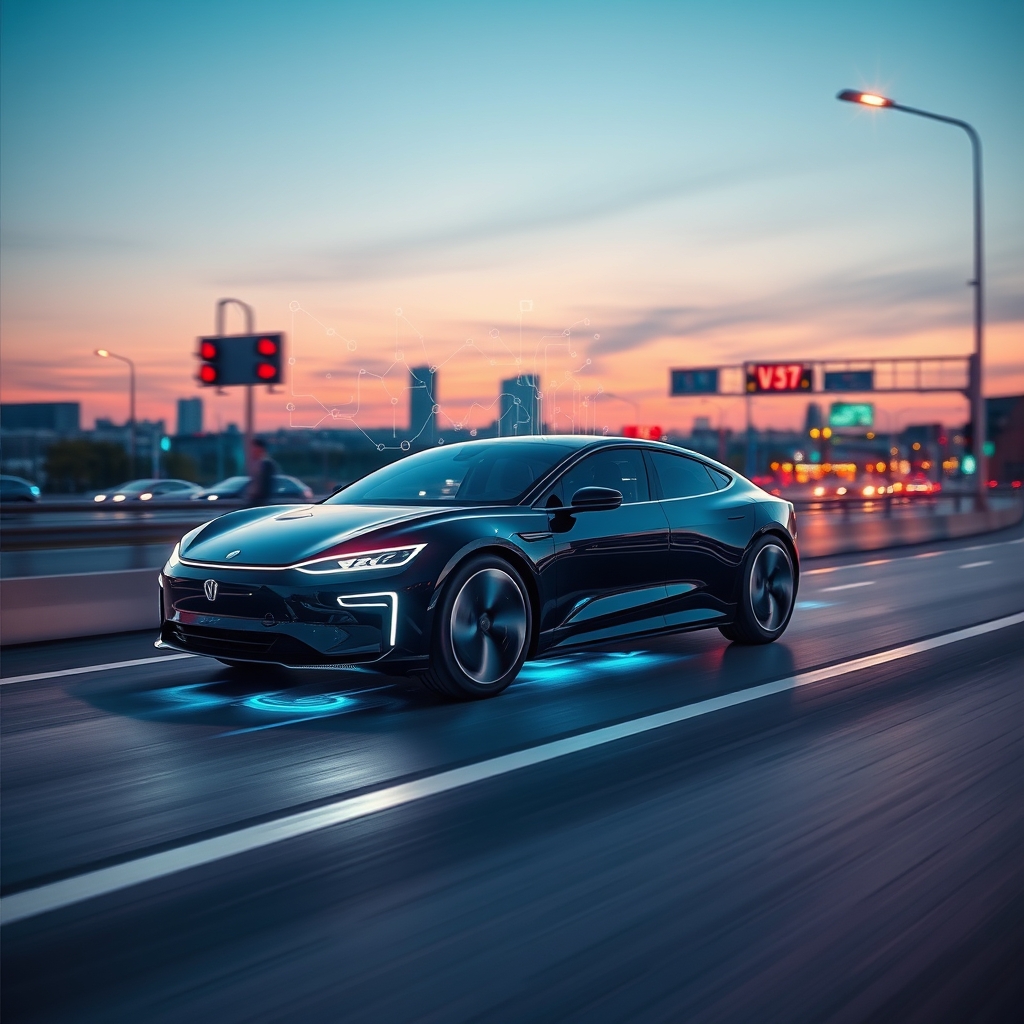
Imagine gliding down the highway, your car seamlessly communicating with traffic lights, other vehicles, and even the road itself—anticipating hazards before they appear and adjusting your route in real time. This isn’t science fiction; it’s the next frontier of automotive innovation. Connectivity is no longer just about infotainment or GPS; it’s transforming how we interact with our vehicles, making driving safer, smarter, and more intuitive than ever before.
The Rise of the Connected Car
The modern vehicle is no longer just a machine—it’s a rolling data hub. Today’s automotive connectivity solutions integrate advanced sensors, cloud computing, and artificial intelligence to create a dynamic driving ecosystem. From real-time diagnostics to predictive maintenance alerts, these systems ensure your car stays ahead of potential issues before they become costly problems.
But the real game-changer? Vehicle-to-Everything (V2X) communication. This technology allows cars to “talk” to infrastructure, pedestrians, and other vehicles, reducing accidents by up to 80% in some scenarios. Cities like Detroit and Tokyo are already testing V2X networks, where traffic lights adjust based on real-time congestion, and emergency vehicles receive priority routing automatically.
How Connectivity Enhances Safety and Efficiency
Safety has always been a cornerstone of automotive engineering, but connectivity takes it to a new level. Advanced Driver Assistance Systems (ADAS) now leverage cloud-based updates to improve over time, learning from millions of miles driven globally. Features like adaptive cruise control, lane-keeping assist, and automatic emergency braking are becoming more precise, thanks to constant data refinement.
Efficiency is another major benefit. Connected cars optimize fuel consumption by analyzing traffic patterns, weather conditions, and even your driving habits. Electric vehicles (EVs) take this further by syncing with smart grids to charge during off-peak hours, reducing costs and strain on the energy network. The result? A smoother, more sustainable drive with fewer surprises.
The Role of 5G and Edge Computing
For automotive connectivity to reach its full potential, speed and reliability are non-negotiable. Enter 5G. With latency as low as one millisecond, 5G enables near-instantaneous communication between vehicles and infrastructure. This is critical for applications like platooning, where trucks drive in tight formation to reduce drag and improve fuel efficiency.
Edge computing further enhances this by processing data locally rather than relying solely on the cloud. This reduces lag, making features like real-time collision avoidance and augmented reality navigation more responsive. As automakers integrate these technologies, the line between the digital and physical driving experience continues to blur.
Personalization Through Data
Today’s drivers expect more than just transportation—they want an experience tailored to their preferences. Automotive connectivity delivers this through personalized settings that adjust everything from seat position to climate control before you even step inside. Your car learns your routines, suggesting routes based on your schedule and even pre-cooling the cabin on a hot day.
But personalization goes beyond comfort. Insurance companies now offer usage-based policies, where premiums are calculated based on real-time driving behavior. Safe drivers benefit from lower rates, while those who accelerate aggressively or brake harshly receive feedback to improve. It’s a win-win for both consumers and insurers.
The Future: Autonomous Driving and Beyond
While fully autonomous vehicles are still on the horizon, automotive connectivity is laying the groundwork for this revolution. High-definition maps, updated in real time, provide the precision needed for self-driving cars to navigate complex environments. Meanwhile, over-the-air (OTA) updates ensure vehicles stay current with the latest software, much like your smartphone.
But the most exciting developments may lie in how connectivity reshapes urban mobility. Ride-sharing services are already using data to optimize fleet distribution, reducing wait times and congestion. In the future, your car might not just drive you to work—it could also generate income by ferrying passengers while you’re at the office.
Overcoming Challenges in Automotive Connectivity
Despite its promise, automotive connectivity faces hurdles. Cybersecurity remains a top concern, as connected cars become prime targets for hackers. Automakers are investing heavily in encryption and intrusion detection systems to safeguard vehicle networks, but the arms race between security experts and cybercriminals is ongoing.
Privacy is another critical issue. With cars collecting vast amounts of data—from location history to biometric information—regulators are scrutinizing how this information is stored and used. Transparent policies and user control over data sharing will be essential to maintaining consumer trust.
The Road Ahead
The shift toward connected vehicles isn’t just a trend—it’s a fundamental reimagining of what a car can be. As automotive technology evolves, so too will our relationship with mobility. The cars of tomorrow won’t just take us from point A to point B; they’ll anticipate our needs, protect us from harm, and even help us live more sustainably.
For drivers, this means staying informed about the latest advancements and embracing the tools that make driving safer and more enjoyable. Whether it’s enabling OTA updates, exploring V2X-enabled routes, or simply using your car’s connectivity features to streamline your daily commute, the future of driving is here—and it’s more connected than ever.
About the Author