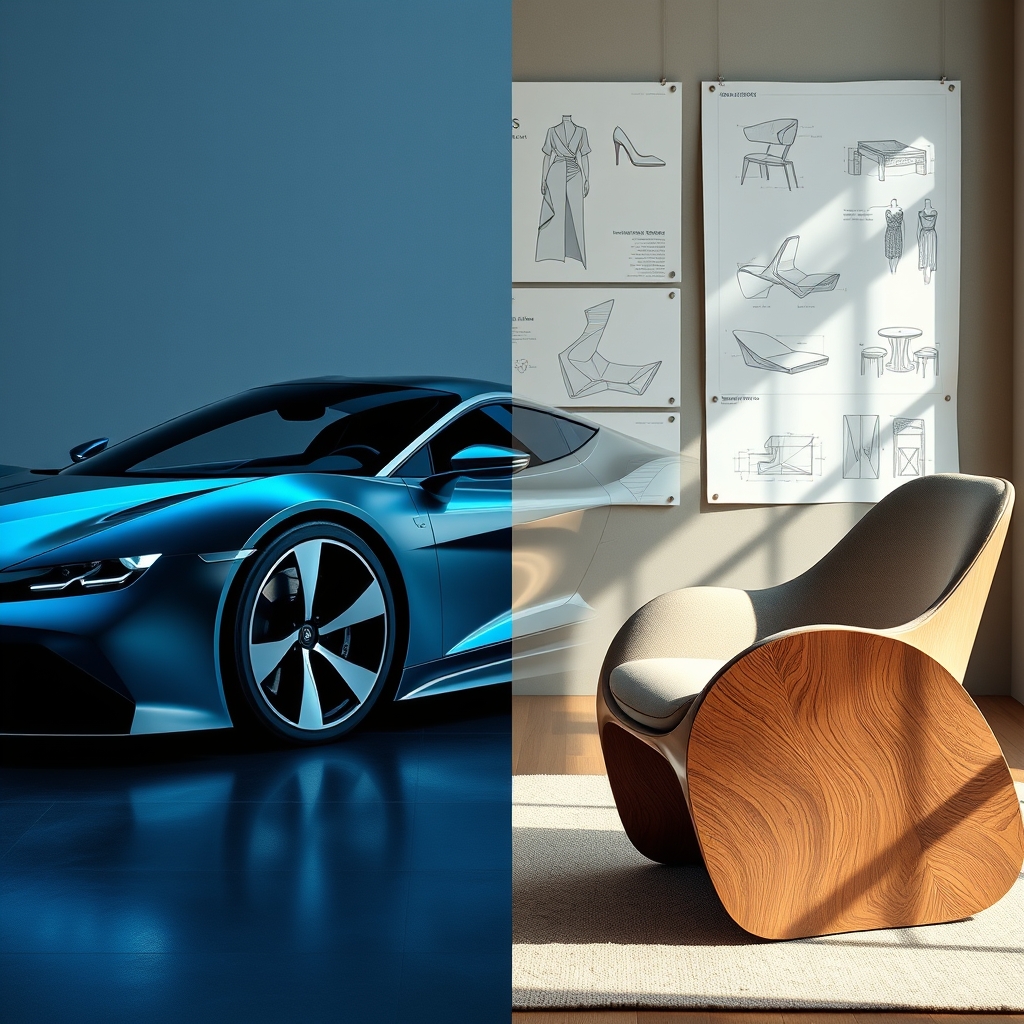
Body style is more than just a visual preference—it’s a silent language that communicates identity, status, and even intent. Whether in fashion, automotive design, or architecture, the contours and proportions of a form dictate how we perceive and interact with it. Yet, beneath the surface of sleek lines and bold curves lies a complex interplay of psychology, culture, and practicality. Why do certain body styles endure while others fade into obscurity? The answer reveals far more about human behavior than mere aesthetics.
The Psychological Impact of Body Style on Perception
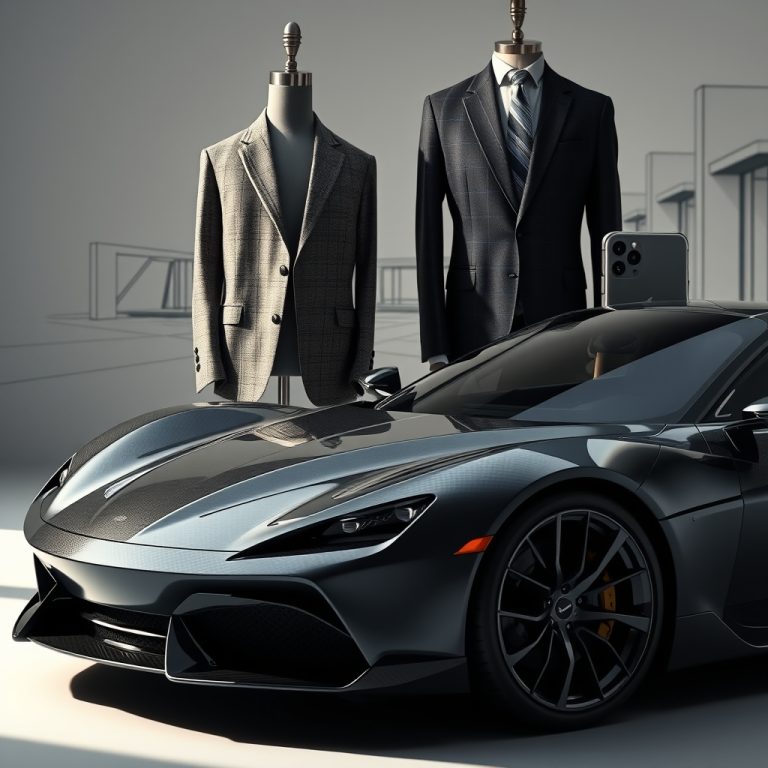
Humans are hardwired to associate shapes with emotions and traits. A sharp, angular body style—think of a tailored suit or a sports car—often conveys aggression, precision, and modernity. In contrast, soft, rounded forms evoke approachability, comfort, and nostalgia. These associations aren’t arbitrary; they’re rooted in evolutionary psychology, where survival once depended on interpreting physical cues.
Studies in design psychology confirm that body style influences first impressions within milliseconds. For instance, a study by the Journal of Consumer Research found that consumers subconsciously link sleek, minimalist designs with luxury, while bulky, rugged forms signal durability. This phenomenon extends beyond products—it shapes how we judge people, spaces, and even ideas. The next time you admire a well-proportioned object, ask yourself: Is it the design itself you’re drawn to, or the story it tells about you?
How Body Style Balances Form and Function
Great design doesn’t prioritize beauty over utility—it harmonizes the two. Consider the automotive industry, where body style dictates aerodynamics, fuel efficiency, and even safety. The teardrop shape of a hypercar isn’t just for show; it reduces drag, allowing for higher speeds with less energy. Similarly, in fashion, the structured shoulders of a power suit aren’t merely a trend—they create the illusion of authority, a tool used by leaders for decades.
Yet, the tension between form and function often leads to compromise. A chair with an avant-garde silhouette might sacrifice ergonomics, while a utilitarian backpack could lack visual appeal. The most enduring body styles strike a delicate balance, where aesthetics enhance functionality rather than hinder it. This principle applies universally, from the streamlined profile of a smartphone to the organic curves of sustainable architecture. When form follows function seamlessly, the result isn’t just practical—it’s timeless.
The Role of Cultural Shifts in Shaping Body Style Trends
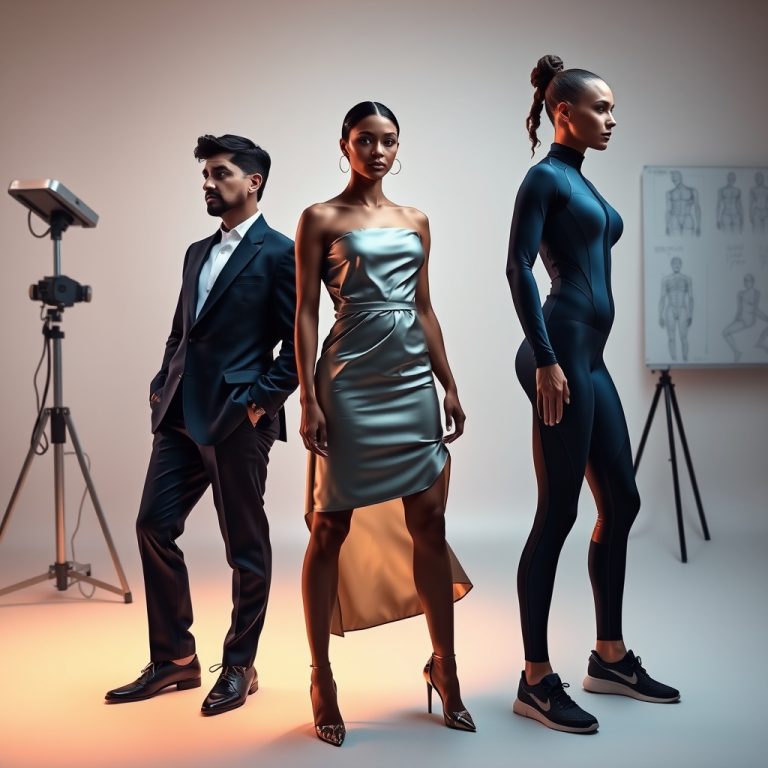
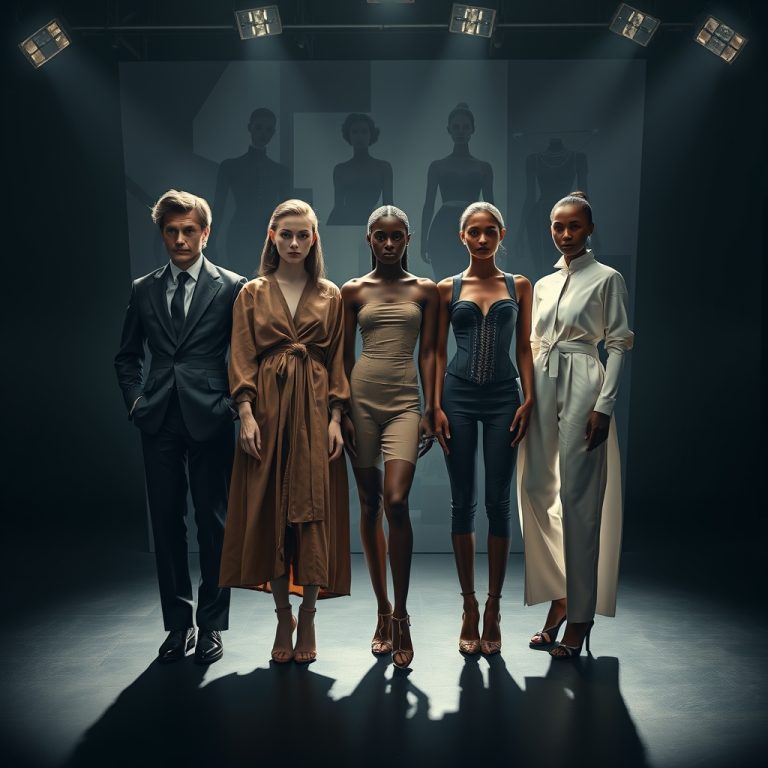
Body style doesn’t exist in a vacuum—it evolves with societal values. The 1920s flapper dress, with its loose fit and dropped waist, reflected the era’s rebellion against restrictive norms. Fast forward to the 1980s, and the power suit’s broad shoulders mirrored corporate ambition. Today, the rise of gender-neutral fashion and fluid silhouettes signals a shift toward individualism over conformity.
These trends aren’t random; they’re responses to cultural movements. The minimalist body styles dominating contemporary design, for example, align with a growing preference for sustainability and decluttering. Even in automotive design, the shift from boxy SUVs to sleeker electric vehicles reflects environmental consciousness. Body style, then, is a barometer of collective priorities—whether economic, social, or technological.
Why Some Body Styles Stand the Test of Time
Not all designs age gracefully. While trends come and go, a select few body styles achieve iconic status, transcending their era. The little black dress, the Eames lounge chair, and the Porsche 911 all share a common trait: adaptability. Their forms are simple enough to evolve with new materials and technologies, yet distinctive enough to remain recognizable.
The secret to longevity lies in versatility. A timeless body style doesn’t rely on gimmicks—it solves a problem or fulfills a need so effectively that it becomes a standard. Take the denim jacket, for instance. Its durable fabric and relaxed fit made it a staple in workwear, but its neutral silhouette allowed it to transition into high fashion. The same principle applies to the iPhone’s rounded edges, which balance ergonomics with a premium feel. When a body style becomes a solution rather than a statement, it outlasts fleeting trends.
How to Choose a Body Style That Aligns With Your Goals
Whether you’re selecting a wardrobe, designing a product, or curating a space, your choice of body style should reflect your objectives. If you aim to project authority, opt for structured, angular forms. If comfort and approachability are priorities, softer, organic shapes will serve you better. The key is intentionality—every line, curve, and proportion should serve a purpose, whether functional or psychological.
Start by identifying the emotions or messages you want to convey. Are you designing a workspace that inspires creativity? Consider open, fluid layouts with natural materials. Launching a luxury brand? Sleek, minimalist packaging will reinforce exclusivity. Even in personal style, the right body shape can enhance confidence—just as a well-tailored blazer commands respect, a flowing dress invites ease. The most effective body styles aren’t just seen; they’re felt.
Ultimately, body style is a tool—one that shapes perception, solves problems, and adapts to change. The best designs don’t just catch the eye; they resonate on a deeper level, aligning with the values and aspirations of those who engage with them. Whether you’re a designer, a consumer, or simply an observer, recognizing the power of body style allows you to wield it with precision. The next time you encounter a striking form, ask yourself: What does this design say about the world it inhabits—and the one it aspires to create?
About the Author