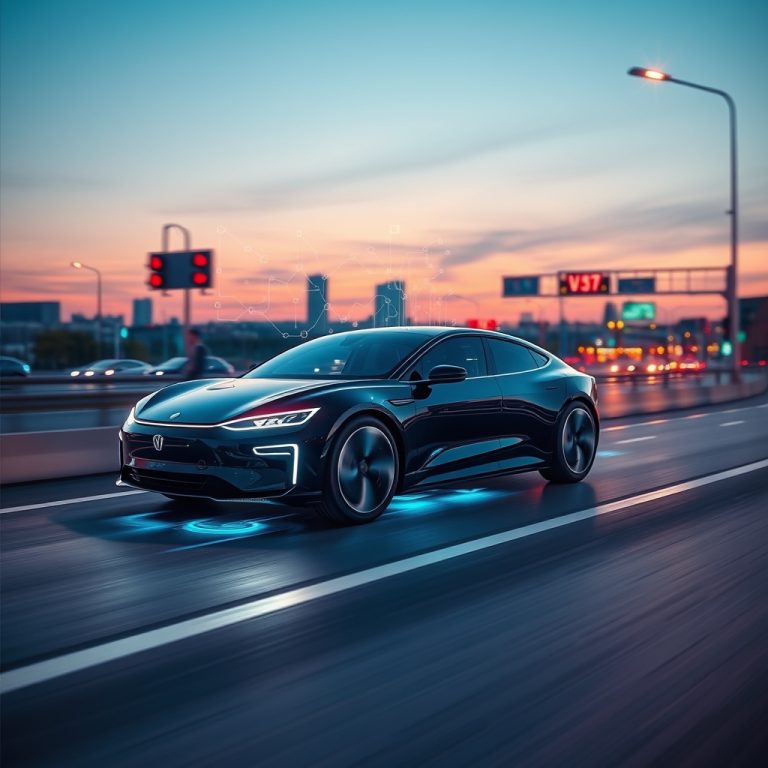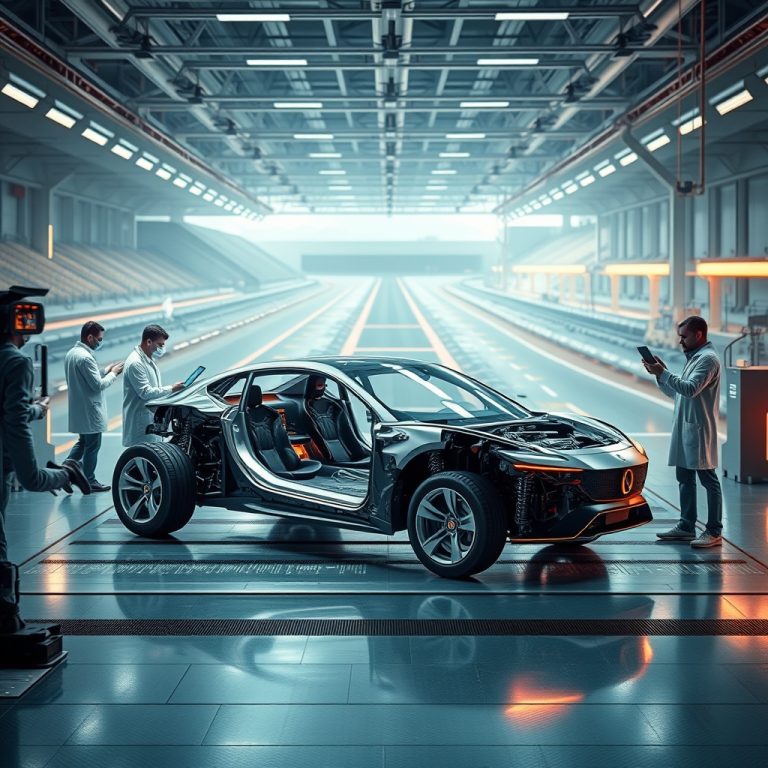
In the modern automotive landscape, the most transformative innovations are not always visible to the naked eye. While sleek designs and powerful engines continue to captivate enthusiasts, it is the invisible layer of software that is quietly revolutionizing how we interact with our vehicles. From the moment you press the start button to the second you step out of your car, a complex symphony of code is at work, ensuring efficiency, safety, and an experience that feels almost intuitive.
The Heartbeat of Modern Vehicles
Gone are the days when a car’s performance was solely determined by mechanical prowess. Today, software acts as the central nervous system of a vehicle, coordinating everything from engine management to infotainment. Advanced algorithms optimize fuel injection, adjust throttle response, and even manage regenerative braking in electric vehicles. This digital orchestration doesn’t just enhance performance—it redefines it, making cars smarter, more responsive, and increasingly personalized to the driver’s habits.
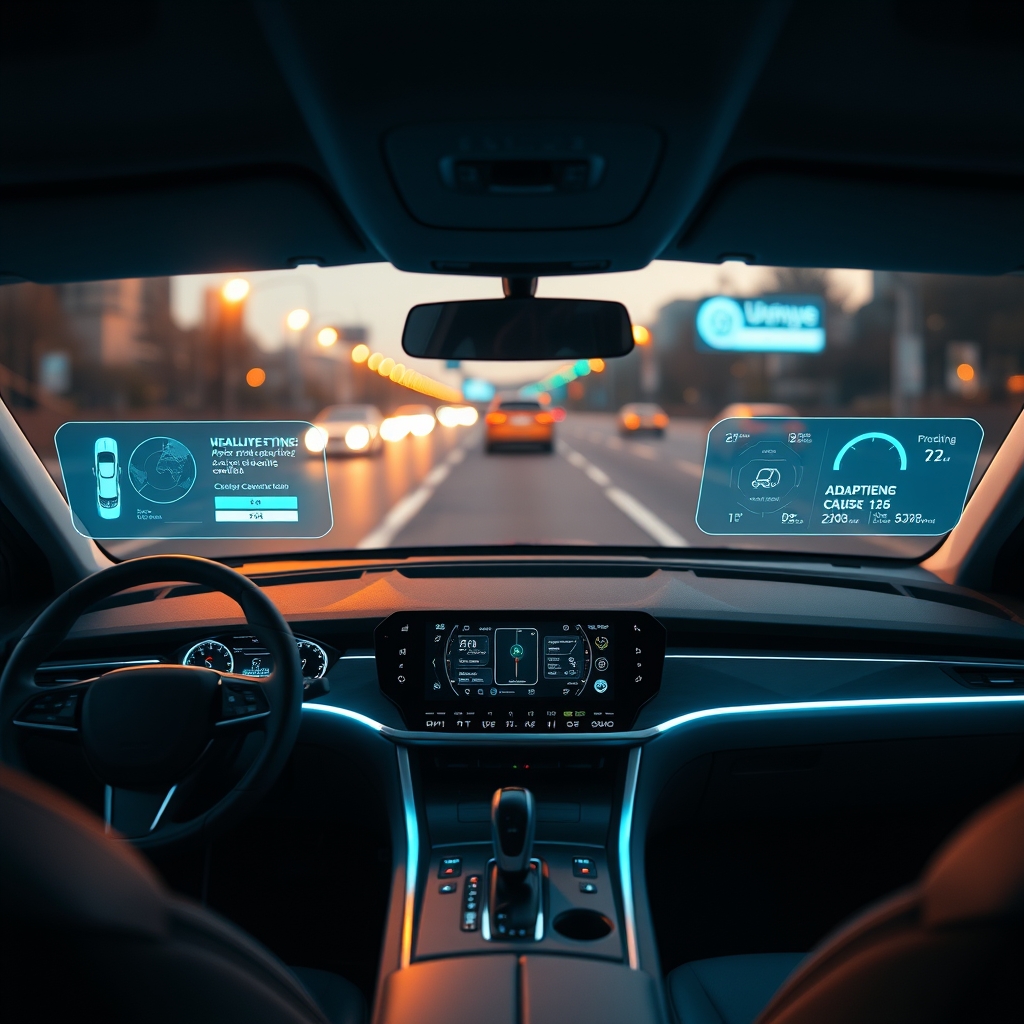
Take, for example, adaptive cruise control. What was once a simple speed-maintaining feature has evolved into a predictive system that analyzes traffic patterns, road conditions, and even the behavior of surrounding vehicles. Using machine learning, these systems can anticipate sudden stops or lane changes, adjusting speed and distance in real-time to prevent collisions. The result is a driving experience that feels less like operating a machine and more like having a co-pilot who understands the nuances of the road.
The Brain Behind the Wheel
Beyond performance, automotive software is the driving force behind the rise of advanced driver-assistance systems (ADAS). Features like lane-keeping assist, automatic emergency braking, and blind-spot monitoring rely on a network of sensors, cameras, and radar, all interpreted by sophisticated software. These systems don’t just react—they learn. Over time, they adapt to a driver’s tendencies, refining their responses to create a safer and more seamless experience.
Yet, the true potential of automotive software lies in its ability to evolve. Unlike hardware, which is fixed at the point of manufacture, software can be updated over the air (OTA), allowing vehicles to improve long after they’ve left the dealership. A Tesla, for instance, can receive updates that enhance battery efficiency, introduce new autonomous driving capabilities, or even add entertainment features. This fluidity ensures that cars remain at the cutting edge of technology, reducing the need for costly hardware upgrades and extending the lifespan of the vehicle.
The Connected Ecosystem
The integration of software has also given birth to the connected car, a vehicle that exists as part of a broader digital ecosystem. Modern cars can sync with smartphones, smart homes, and even smart cities, creating a seamless flow of information. Navigation systems pull real-time traffic data, infotainment systems stream music and podcasts, and diagnostic tools monitor vehicle health, sending alerts to both the driver and the manufacturer when maintenance is required.
This connectivity extends beyond convenience. Fleet management systems use telematics to track vehicle location, fuel consumption, and driver behavior, optimizing routes and reducing operational costs. For individual drivers, features like remote start, climate control, and vehicle tracking via smartphone apps add layers of comfort and security. The car is no longer an isolated entity—it’s a node in a vast, interconnected network, constantly communicating and adapting.
The Ethical and Security Challenges
With great power comes great responsibility, and the rise of automotive software is not without its challenges. As vehicles become more connected, they also become more vulnerable to cyber threats. A hacked car could potentially be controlled remotely, posing risks to both the driver and public safety. Manufacturers are investing heavily in cybersecurity, developing encryption protocols and intrusion detection systems to safeguard against such threats. However, as software grows more complex, so too does the task of securing it.
Ethical considerations also come into play, particularly with autonomous driving. How should a car’s software prioritize safety in an unavoidable accident? Should it protect the driver at all costs, or minimize harm to pedestrians and other road users? These are not just technical questions but moral ones, requiring input from ethicists, policymakers, and the public to ensure that the future of driving aligns with societal values.
The Road Ahead
The automotive industry is at a crossroads, where software is no longer a supporting player but the star of the show. As artificial intelligence and machine learning continue to advance, the line between driver and vehicle will blur even further. Cars will not just respond to commands—they will anticipate needs, make decisions, and even communicate with each other to prevent accidents and reduce congestion. The future of driving is not just about getting from point A to point B; it’s about creating an experience that is safer, more efficient, and deeply personalized.
Yet, as we embrace this digital revolution, it’s worth remembering that the soul of the automobile remains rooted in the open road. Software may be the invisible force shaping the future, but the thrill of driving—the wind in your hair, the hum of the engine, the freedom of the journey—is what keeps us coming back. The challenge for automakers is to ensure that technology enhances rather than overshadows that essence, crafting a future where innovation and emotion drive side by side.
About the Author