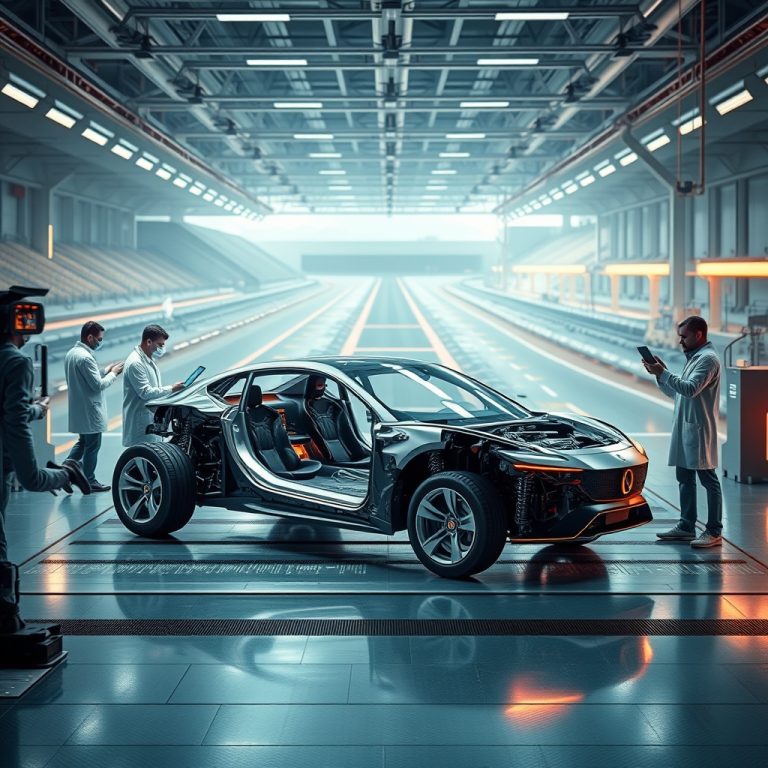
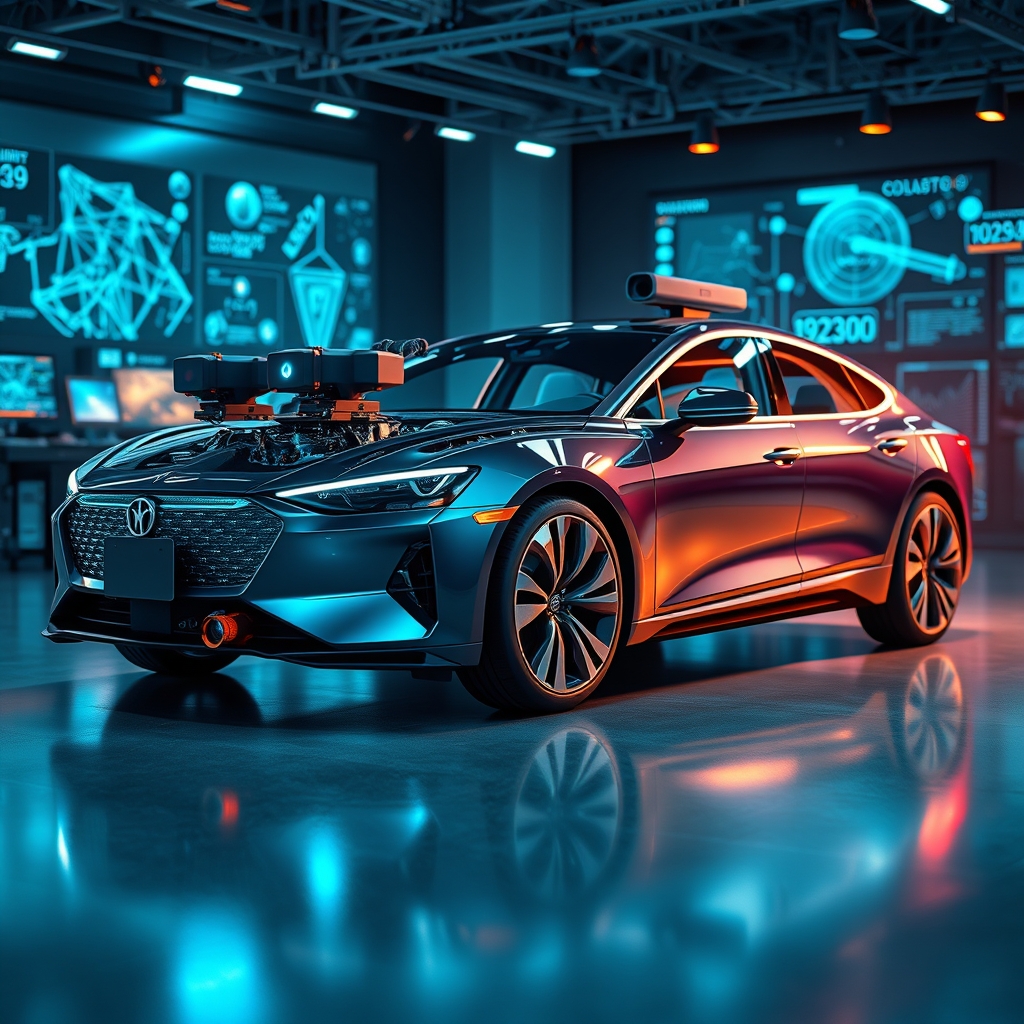
In the ever-evolving landscape of automotive technology, one of the most transformative advancements has been the integration of sophisticated sensor systems. These unassuming yet powerful components are the silent architects of modern driving, enabling vehicles to perceive, interpret, and respond to their surroundings with unprecedented precision. From enhancing safety to optimizing performance, automotive sensors are the unsung heroes that bridge the gap between human intuition and machine intelligence.
The Invisible Network: Understanding Automotive Sensors
At the heart of every modern vehicle lies a complex network of sensors, each designed to monitor specific aspects of the car’s operation and environment. These sensors can be broadly categorized into several types, including ultrasonic, radar, LiDAR, cameras, and inertial measurement units (IMUs). Together, they form a cohesive system that provides real-time data to the vehicle’s central processing unit, enabling it to make split-second decisions that can mean the difference between a near-miss and a collision.
Ultrasonic sensors, for instance, are commonly used in parking assistance systems. They emit high-frequency sound waves that bounce off nearby objects, allowing the vehicle to calculate distances with remarkable accuracy. Radar sensors, on the other hand, are pivotal in adaptive cruise control and collision avoidance systems. By emitting radio waves and analyzing their reflections, these sensors can detect the speed and distance of objects ahead, even in adverse weather conditions.
The Role of LiDAR and Cameras
LiDAR (Light Detection and Ranging) technology has gained significant attention, particularly in the development of autonomous vehicles. By emitting laser pulses and measuring the time it takes for them to return, LiDAR sensors create highly detailed 3D maps of the vehicle’s surroundings. This level of precision is crucial for navigating complex environments, such as urban streets with pedestrians, cyclists, and other vehicles.
Cameras, meanwhile, serve as the eyes of the vehicle, capturing visual data that can be processed using advanced algorithms. Modern vehicles often employ multiple cameras to provide a 360-degree view, enabling features like lane-keeping assistance, traffic sign recognition, and even facial recognition for driver monitoring systems. The synergy between cameras and other sensors ensures that the vehicle has a comprehensive understanding of its environment.
Enhancing Safety: The Primary Mission
The primary goal of automotive sensors is to enhance safety, and their impact in this regard cannot be overstated. Advanced Driver-Assistance Systems (ADAS) rely heavily on sensor data to provide features such as automatic emergency braking, blind-spot detection, and cross-traffic alerts. These systems act as an extra set of eyes and ears, compensating for human limitations and reducing the risk of accidents.
For example, automatic emergency braking systems use radar and camera sensors to detect an imminent collision. If the driver fails to respond in time, the system can automatically apply the brakes, potentially avoiding or mitigating the impact. Similarly, blind-spot detection systems use ultrasonic or radar sensors to monitor areas that are difficult for the driver to see, providing visual or auditory warnings when a vehicle is detected in the blind spot.
Beyond Safety: Optimizing Performance and Efficiency
While safety is the most critical application of automotive sensors, their benefits extend to performance and efficiency as well. Engine control units (ECUs) use data from oxygen sensors, mass airflow sensors, and throttle position sensors to optimize fuel injection and ignition timing, ensuring that the engine operates at peak efficiency. This not only improves fuel economy but also reduces emissions, contributing to a more sustainable driving experience.
Tire pressure monitoring systems (TPMS) are another example of how sensors enhance performance. By continuously monitoring the pressure in each tire, these systems alert the driver to potential issues before they become hazardous. Properly inflated tires improve fuel efficiency, extend tire life, and enhance overall vehicle handling.
The Future of Automotive Sensors
As automotive technology continues to advance, the role of sensors is set to become even more pivotal. The rise of autonomous vehicles will demand even greater precision and reliability from sensor systems. Future sensors may incorporate artificial intelligence to improve their ability to interpret complex environments, making autonomous driving safer and more efficient.
Moreover, the integration of vehicle-to-everything (V2X) communication technology will enable sensors to share data not just within the vehicle but also with other vehicles and infrastructure. This will create a connected ecosystem where vehicles can anticipate and respond to potential hazards before they become visible, further enhancing safety and efficiency on the roads.
In the grand tapestry of automotive innovation, sensors are the threads that weave together the fabric of modern driving. They are the silent guardians that watch over us, the invisible hands that guide us, and the relentless innovators that push the boundaries of what is possible. As we look to the future, it is clear that the pulse of progress in the automotive industry will continue to be driven by these remarkable, unassuming components, shaping a world where driving is not just a means of transportation, but an experience of unparalleled safety, efficiency, and intelligence.
About the Author