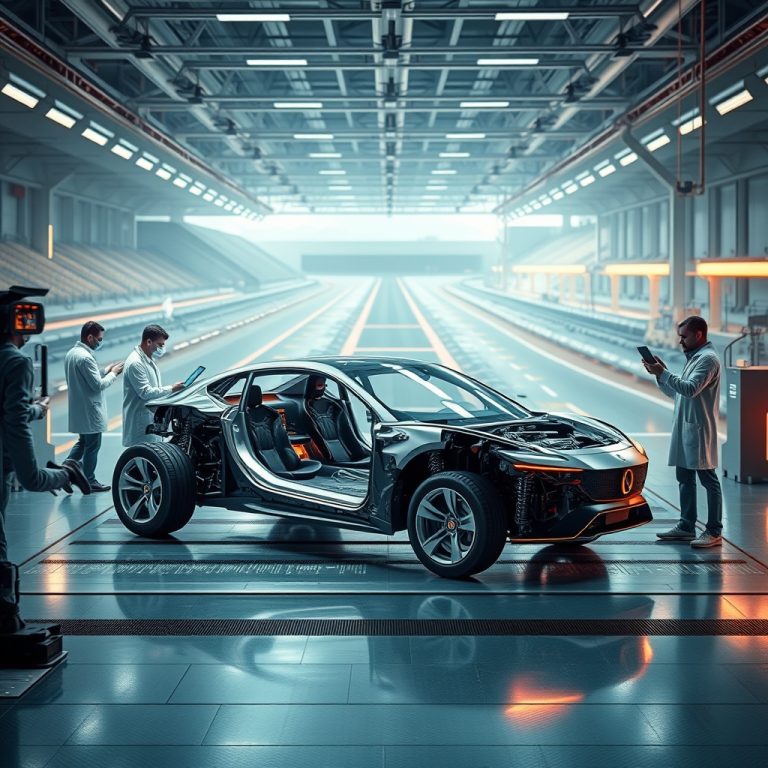

The automotive industry has always been a hotbed of innovation, with manufacturers constantly pushing the boundaries of what’s possible. Yet, one of the most transformative advancements in recent years has flown under the radar for many drivers. Over-the-air (OTA) updates, a technology once reserved for smartphones and computers, are now revolutionizing the way we interact with our vehicles. This silent evolution is not just enhancing performance and convenience but is also redefining the very concept of car ownership.
The Birth of a New Era
OTA updates allow automakers to send software improvements, bug fixes, and even new features directly to a vehicle’s onboard systems via a wireless connection. This technology eliminates the need for drivers to visit dealerships for minor software tweaks, saving time and reducing hassle. The first major automotive player to embrace OTA updates was Tesla, which began rolling out wireless updates to its vehicles as early as 2012. Since then, the technology has gained traction across the industry, with traditional automakers like Ford, GM, and BMW integrating OTA capabilities into their latest models.
The adoption of OTA updates marks a significant shift in how vehicles are maintained and improved. In the past, a car’s software was largely static, with updates requiring physical access to the vehicle’s systems. Today, automakers can deploy fixes and enhancements in real-time, ensuring that vehicles remain up-to-date with the latest advancements. This dynamic approach to vehicle maintenance is not only more efficient but also more cost-effective, reducing the need for costly recalls and dealership visits.
Enhancing Performance and Safety
One of the most compelling benefits of OTA updates is their ability to enhance vehicle performance and safety. Automakers can use OTA technology to fine-tune engine parameters, improve fuel efficiency, and even optimize battery management in electric vehicles. For example, Tesla has used OTA updates to improve the acceleration and range of its electric cars, while Ford has deployed updates to enhance the performance of its hybrid models.
Safety is another critical area where OTA updates are making a difference. Automakers can quickly address software vulnerabilities that could compromise vehicle security or introduce new safety features to existing models. For instance, OTA updates have been used to improve the functionality of advanced driver-assistance systems (ADAS), such as adaptive cruise control and lane-keeping assist. By continuously refining these systems, automakers can ensure that drivers benefit from the latest safety advancements without needing to purchase a new vehicle.
The Role of Connectivity
The success of OTA updates hinges on robust connectivity. Modern vehicles are equipped with advanced telematics systems that enable seamless communication between the car and the manufacturer’s servers. This connectivity is typically facilitated by embedded cellular modems, which allow vehicles to receive updates even when parked in a garage or driveway. As 5G networks continue to expand, the speed and reliability of OTA updates are expected to improve, further enhancing the technology’s potential.
However, connectivity also introduces new challenges, particularly in the realm of cybersecurity. With vehicles becoming increasingly connected, the risk of cyberattacks grows. Automakers must invest in robust security measures to protect their vehicles from hacking and unauthorized access. This includes encrypting update files, implementing secure authentication protocols, and regularly monitoring for potential threats. The stakes are high, as a successful cyberattack could compromise not only the vehicle’s software but also the safety of its occupants.
Redefining the Ownership Experience
OTA updates are not just about improving performance and safety; they are also transforming the ownership experience. In the past, purchasing a car meant accepting its features and capabilities as they were at the time of sale. Today, OTA updates allow vehicles to evolve over time, with new features and functionalities added long after the car leaves the dealership. This shift is particularly appealing to tech-savvy consumers who expect their devices to improve with age, rather than become obsolete.
For automakers, OTA updates offer a unique opportunity to engage with customers throughout the vehicle’s lifecycle. By regularly deploying updates, manufacturers can keep drivers excited about their cars, fostering brand loyalty and encouraging repeat purchases. Additionally, OTA updates enable automakers to gather valuable data on vehicle performance and driver behavior, which can be used to inform future product development.
The Future of OTA Updates
As OTA technology continues to evolve, its potential applications are expanding. In the future, we can expect to see OTA updates used for more than just software improvements. For example, automakers may begin deploying updates to enhance the vehicle’s infotainment system, introduce new autonomous driving features, or even update the car’s physical components through digital twins. The possibilities are vast, and the technology is still in its infancy.
However, the widespread adoption of OTA updates also raises important questions about data privacy and ownership. As vehicles become more connected, they generate vast amounts of data, much of which is transmitted back to the manufacturer. Drivers must have confidence that their data is being used responsibly and that their privacy is being protected. Automakers will need to be transparent about their data collection practices and provide drivers with clear options for controlling their data.
The rise of OTA updates represents a fundamental shift in the automotive industry, one that blurs the line between hardware and software. As vehicles become more like smartphones on wheels, the way we think about car ownership, maintenance, and innovation is changing. This technology is not just about keeping our cars up-to-date; it’s about reimagining what a car can be. With each update, our vehicles become smarter, safer, and more capable, ushering in a new era of automotive excellence where the journey is as dynamic as the destination.
About the Author