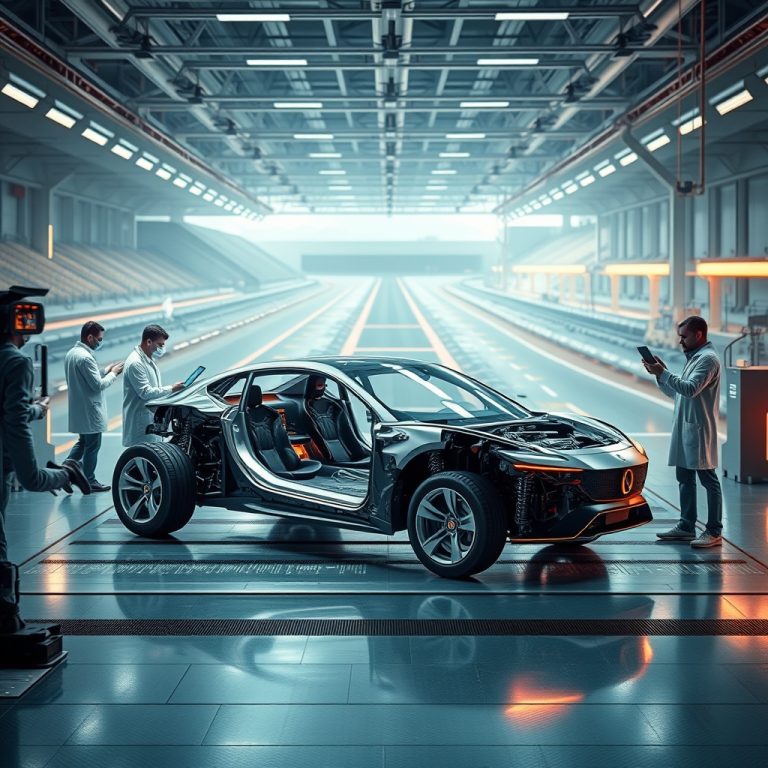
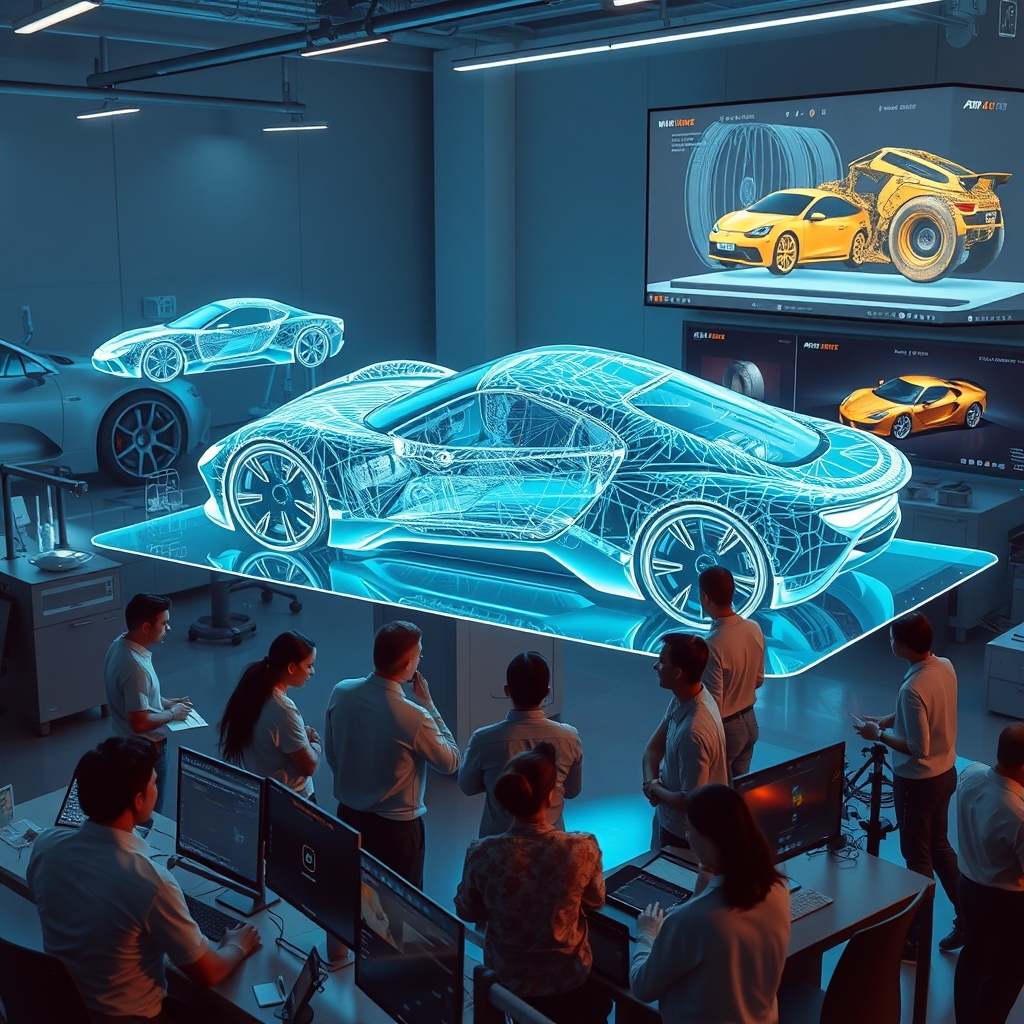
The automotive industry has always been a crucible of innovation, where engineering prowess meets artistic vision to create machines that captivate the imagination. Yet, beneath the sleek exteriors and roaring engines lies an invisible force that is quietly revolutionizing how cars are conceived, designed, and built: computational design. This powerful blend of algorithms, artificial intelligence, and advanced simulations is not just accelerating the development process but also unlocking possibilities that were once deemed impossible.
The Digital Transformation of Automotive Design
Gone are the days when automotive design relied solely on clay models, hand-drawn sketches, and physical prototypes. While these traditional methods still hold a place in the creative process, computational design has emerged as the backbone of modern automotive innovation. By leveraging high-performance computing, engineers and designers can now explore thousands of design iterations in a fraction of the time it would take using conventional methods. This shift has democratized creativity, allowing teams to push boundaries without the constraints of time or material costs.
At the heart of this transformation is generative design, a process where algorithms generate multiple design solutions based on predefined parameters such as weight, strength, material properties, and aerodynamic efficiency. For instance, when designing a car’s chassis, engineers can input specific performance criteria, and the software will produce hundreds of potential configurations, each optimized for different trade-offs. This not only speeds up the design phase but also uncovers solutions that human designers might never have considered.
The Role of Artificial Intelligence in Shaping the Future
Artificial intelligence (AI) is the driving force behind the next wave of computational design in the automotive sector. Machine learning models, trained on vast datasets of existing designs, materials, and performance metrics, can predict how a new design will behave under real-world conditions. This predictive capability is invaluable in reducing the need for physical testing, which is both time-consuming and expensive.
AI is also making its mark in the realm of aesthetic design. By analyzing consumer preferences, market trends, and even cultural influences, AI-powered tools can suggest design elements that resonate with target audiences. For example, an AI system might recommend a more aggressive front grille for a sports car aimed at younger drivers or a sleeker, more minimalist profile for a luxury sedan. These insights allow designers to create vehicles that are not only functional but also emotionally compelling.
Simulating Reality: The Power of Virtual Prototyping
One of the most significant advantages of computational design is its ability to simulate real-world conditions with remarkable accuracy. Virtual prototyping allows engineers to test how a vehicle will perform in various scenarios, from high-speed collisions to extreme weather conditions, without ever leaving the digital realm. This not only reduces the cost and time associated with physical testing but also enhances safety by identifying potential flaws early in the development process.
Advanced simulation tools, such as computational fluid dynamics (CFD), enable designers to optimize a car’s aerodynamics with unprecedented precision. By modeling airflow over the vehicle’s surface, engineers can minimize drag, reduce noise, and improve fuel efficiency. Similarly, finite element analysis (FEA) allows them to assess structural integrity, ensuring that every component is both lightweight and durable. These simulations are so accurate that they have become indispensable in the development of electric vehicles (EVs), where every gram of weight and every watt of energy efficiency counts.
From Concept to Reality: The Integration of Additive Manufacturing
Computational design doesn’t just stop at the digital drawing board; it extends into the physical realm through additive manufacturing, or 3D printing. This technology allows designers to bring their digital creations to life with a level of complexity and customization that traditional manufacturing methods simply cannot match. For example, 3D-printed components can be designed with intricate internal structures that reduce weight while maintaining strength, a feat that would be impossible with conventional casting or machining.
In the automotive industry, additive manufacturing is being used to produce everything from prototype parts to end-use components. Companies like BMW and Ford have already integrated 3D printing into their production lines, using it to create custom tools, jigs, and even entire vehicle parts. This not only speeds up the manufacturing process but also enables greater flexibility in design, allowing for rapid iterations and customization based on specific customer needs.
The Human Touch in a Digital World
Despite the undeniable advantages of computational design, the human element remains irreplaceable. Algorithms and AI can generate designs, simulate performance, and optimize efficiency, but they lack the intuition, creativity, and emotional intelligence that define great automotive design. The most successful vehicles are those that strike a balance between computational precision and human ingenuity, where data-driven insights are harmonized with artistic vision.
Designers and engineers must collaborate closely, using computational tools as enablers rather than replacements for their expertise. The best results emerge when technology is wielded as a partner in the creative process, amplifying human potential rather than overshadowing it. This synergy is what will continue to drive automotive innovation forward, creating vehicles that are not only more efficient and safer but also more beautiful and emotionally resonant.
As we stand on the brink of a new era in automotive design, it’s clear that computational tools are not just shaping the cars of tomorrow—they are redefining the very nature of innovation. By embracing these technologies, the industry is not only accelerating the pace of progress but also unlocking possibilities that were once confined to the realm of science fiction. The road ahead is paved with data, algorithms, and creativity, and the journey promises to be nothing short of extraordinary.
About the Author