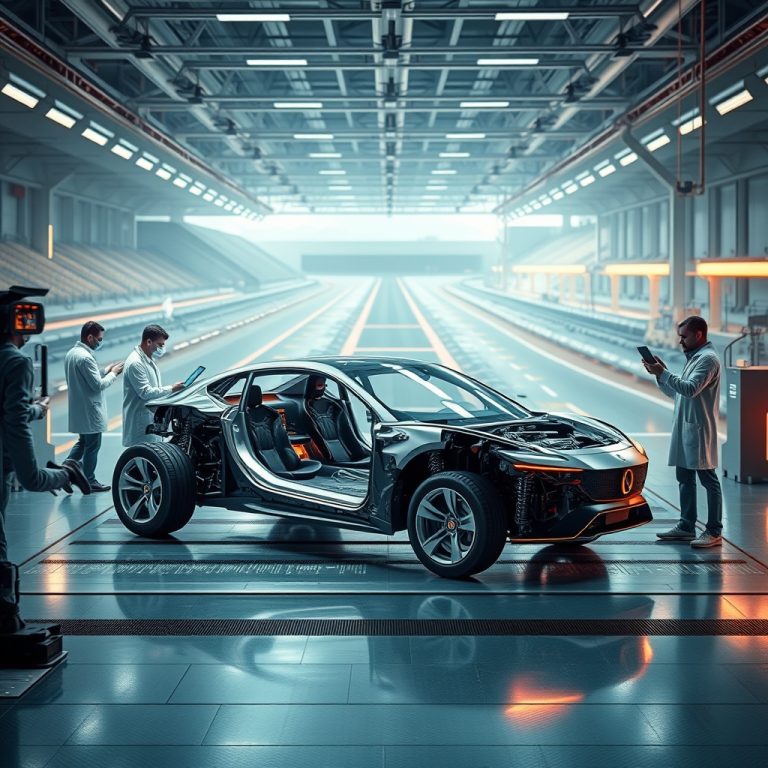
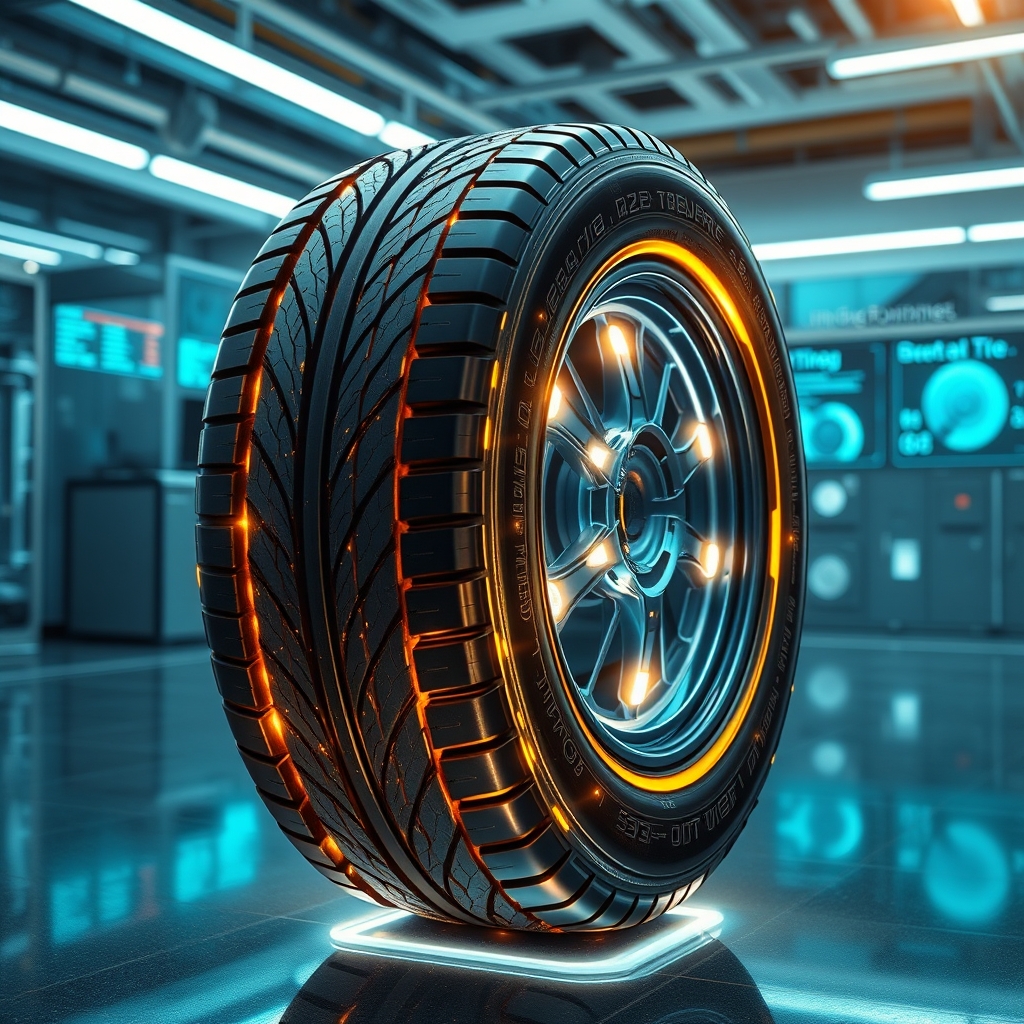
Few components of a vehicle are as critical—or as often overlooked—as the tires. They are the only point of contact between the car and the road, bearing the responsibility of grip, handling, and safety in every turn, acceleration, and brake. Yet, most drivers only think about them when it’s time for a replacement or when a flat disrupts their journey. What many don’t realize is that tire technology has undergone a quiet revolution, driven by advances in materials science, engineering, and sustainability. The tires of today are not just rubber circles; they are sophisticated products of decades of research, designed to perform under extreme conditions while minimizing environmental impact.
The Chemistry of Grip: How Tires Stick to the Road
At the heart of tire performance lies the complex interplay between rubber compounds and road surfaces. Modern tires are engineered with a blend of natural and synthetic rubbers, reinforced with materials like silica, carbon black, and even nanotechnology. Silica, in particular, has become a game-changer in tire manufacturing. Unlike traditional carbon black, which primarily enhances durability, silica improves wet grip by reducing the rolling resistance of the tire. This means better fuel efficiency without compromising traction—a critical balance for both performance and economy.
Temperature also plays a pivotal role in tire behavior. Tires are designed to operate within specific temperature ranges, which is why you’ll often hear motorsport engineers talk about “bringing the tires up to temperature.” Cold tires lack flexibility, reducing grip, while overheated tires can degrade rapidly. The solution? Advanced polymer blends that maintain elasticity across a wider temperature spectrum, ensuring consistent performance whether you’re driving in a blizzard or a heatwave.
The Role of Tread Patterns: More Than Just Aesthetics
Tread patterns are not just about visual appeal; they are meticulously designed to channel water, snow, or debris away from the contact patch. Asymmetric treads, for example, combine different patterns on the inner and outer edges of the tire to optimize handling and water dispersion. Directional treads, with their V-shaped grooves, are engineered to evacuate water quickly, reducing the risk of hydroplaning. Meanwhile, winter tires feature deeper grooves and biting edges to grip snow and ice, a far cry from the smooth, slick tires of racing cars, which prioritize maximum surface contact on dry tracks.
But tread design isn’t just about performance—it’s also about noise. The hum of tires on the road is a significant contributor to cabin noise, and manufacturers have invested heavily in computer simulations to minimize this. By optimizing the spacing and shape of tread blocks, engineers can reduce the frequency of vibrations that translate into sound, making for a quieter ride without sacrificing grip.
Durability vs. Performance: The Eternal Trade-Off
One of the biggest challenges in tire development is balancing durability with performance. Softer rubber compounds provide superior grip but wear out faster, while harder compounds last longer but may compromise traction. This trade-off is particularly evident in high-performance tires, where the demand for grip often outweighs longevity. However, advancements in material science are beginning to blur these lines. For instance, some premium tires now incorporate self-healing polymers that can seal minor punctures, extending their lifespan without sacrificing performance.
Another innovation is the use of 3D-printed tire treads, which allow for precise customization of tread patterns based on driving conditions. Imagine a tire that can adapt its tread depth or pattern in real-time, optimizing for wet, dry, or icy roads. While this technology is still in its infancy, it hints at a future where tires are as dynamic as the vehicles they support.
The Environmental Footprint of Tires
Tires have long been an environmental concern, from the extraction of raw materials like natural rubber to the disposal of used tires. However, the industry is making strides toward sustainability. One of the most promising developments is the use of bio-based materials. Companies are experimenting with dandelion rubber, guayule (a desert shrub), and even recycled plastics to reduce reliance on petroleum-based synthetics. These alternatives not only lower the carbon footprint of tire production but also offer comparable performance to traditional materials.
Recycling has also become a focal point. Used tires are no longer just shredded for playground surfaces or burned for fuel. Innovative processes can now break down tires into their base components, allowing the rubber to be reused in new tires or other products. Some manufacturers are even exploring closed-loop systems, where old tires are returned to the factory to be reborn as new ones, drastically reducing waste.
The Future of Tires: Smart, Sustainable, and Adaptive
The next frontier in tire technology is intelligence. Smart tires equipped with sensors can monitor pressure, temperature, and tread wear in real-time, alerting drivers to potential issues before they become hazards. Some prototypes even integrate with a vehicle’s advanced driver-assistance systems (ADAS) to adjust traction control or braking based on road conditions. This level of integration could revolutionize safety, turning tires from passive components into active participants in the driving experience.
Another exciting development is airless tires. Designed to eliminate the risk of punctures, these tires use flexible, honeycomb-like structures to support the vehicle’s weight. While they are currently limited to niche applications like military vehicles and construction equipment, companies like Michelin and Bridgestone are working to bring them to passenger cars. The benefits are clear: no more flats, no need for spare tires, and a significant reduction in maintenance.
As vehicles evolve, so too must the tires that carry them. The shift toward electric vehicles (EVs) is already influencing tire design, with manufacturers developing tires that can handle the instant torque and heavier weight of EVs while minimizing road noise—a critical factor in the near-silent cabins of electric cars. Meanwhile, the rise of autonomous vehicles will demand tires that can communicate with the car’s AI, adapting to changing conditions without human intervention. The road ahead is paved with innovation, and tires, often unseen but always essential, will continue to play a starring role in the future of mobility.
Every time you press the accelerator or turn the wheel, it’s not just the engine or the suspension at work—it’s the culmination of decades of scientific breakthroughs, all converging at the four small patches of rubber connecting your car to the road. The next time you glance at your tires, remember: they are not just round and black. They are the unsung heroes of every journey, quietly ensuring that every mile is as safe, efficient, and sustainable as possible.
About the Author