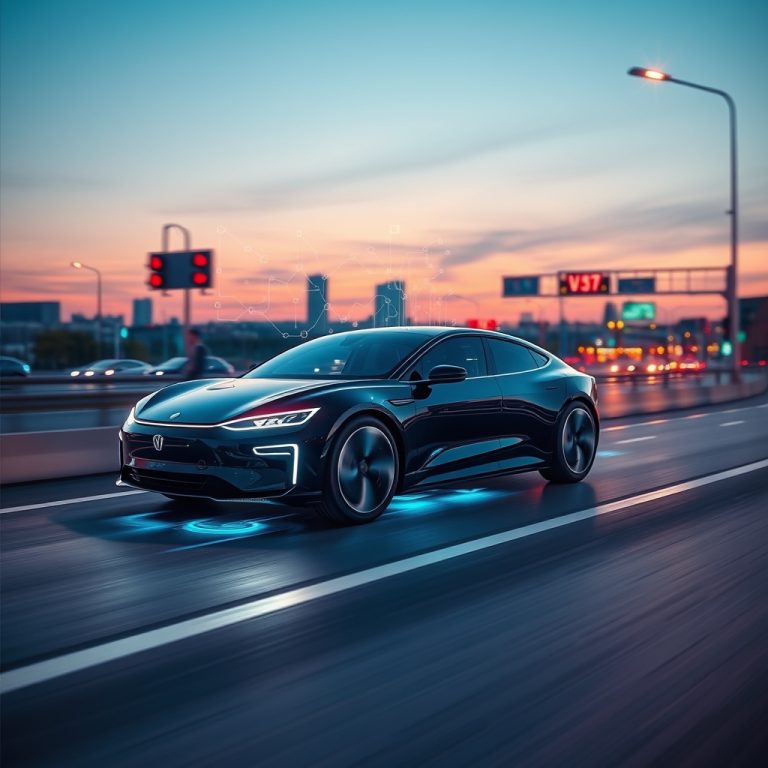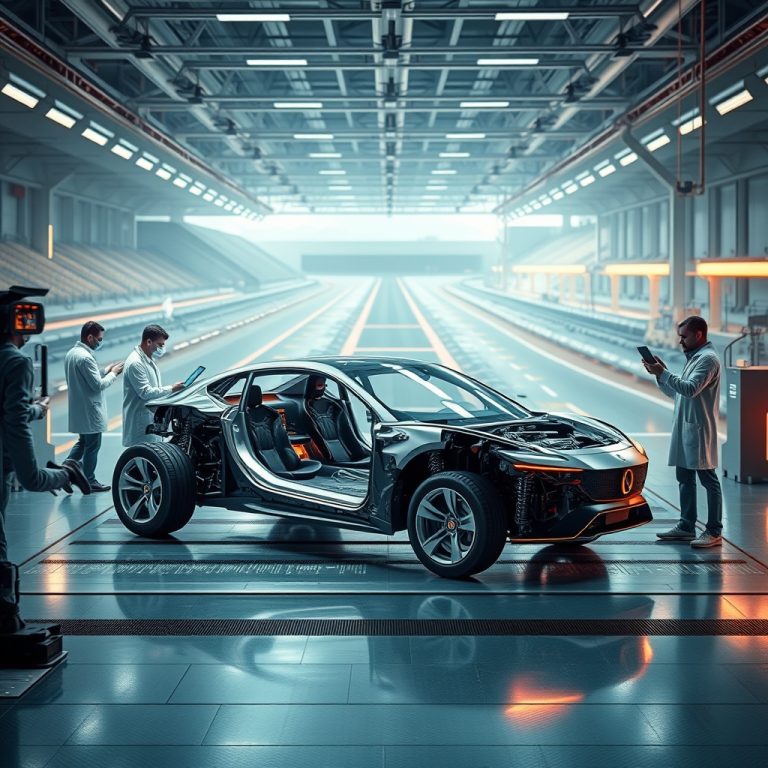
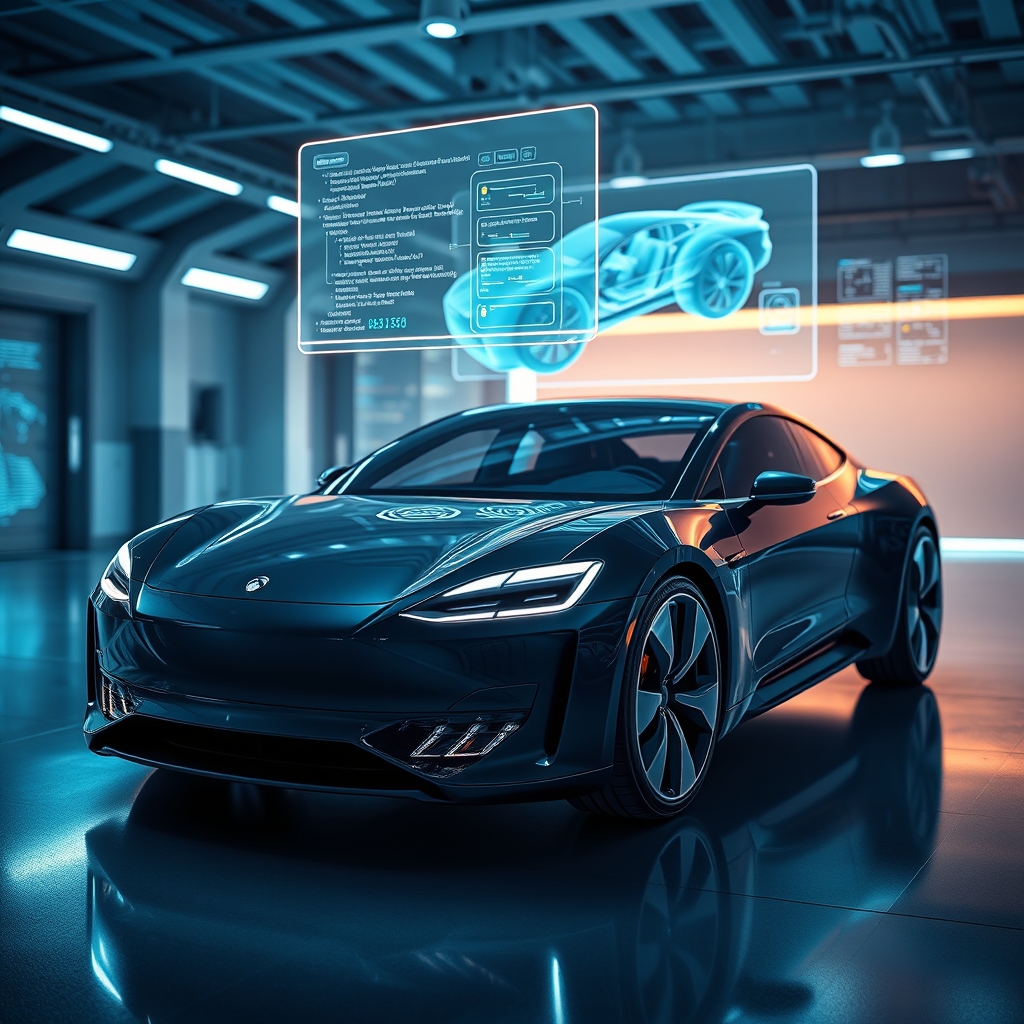
Imagine sliding into the driver’s seat of a car that doesn’t just respond to your commands but anticipates them—adjusting suspension for a smoother ride before you hit a pothole, optimizing engine performance based on real-time traffic, or even updating its own software overnight to unlock new features. This isn’t science fiction; it’s the reality of the automotive industry’s next frontier: software-defined vehicles (SDVs). As cars evolve from mechanical marvels to rolling computers, the lines between hardware and software are blurring, ushering in an era where innovation is no longer confined to the assembly line but extends into the digital realm.
The Rise of the Software-Defined Vehicle
The automotive landscape has undergone seismic shifts over the past century, from the mass production of the Model T to the electrification revolution. Yet, the most transformative change may not be under the hood but inside the car’s central computer. Software-defined vehicles represent a paradigm shift, where the vehicle’s functionality, performance, and even personality are dictated by code rather than fixed hardware. This evolution is driven by the convergence of connectivity, artificial intelligence, and over-the-air (OTA) updates, allowing manufacturers to refine and enhance vehicles long after they leave the dealership.
At the heart of this revolution is the vehicle’s electronic control unit (ECU), which has evolved from a single-purpose module into a sophisticated, centralized computing platform. Modern high-performance ECUs can process vast amounts of data from sensors, cameras, and radar systems, enabling advanced driver-assistance systems (ADAS) and paving the way for fully autonomous driving. Companies like Tesla, NVIDIA, and traditional automakers are investing billions to develop the next generation of automotive software, recognizing that the ability to iterate digitally is just as critical as refining physical components.
How Software is Redefining the Driving Experience
The impact of software on the automotive experience is profound, touching everything from safety to entertainment. One of the most visible examples is adaptive cruise control, which uses real-time data to maintain a safe distance from other vehicles. But the influence of software extends far beyond convenience. Predictive maintenance algorithms analyze engine performance, tire wear, and battery health to alert drivers before issues arise, reducing downtime and repair costs. Meanwhile, infotainment systems have transformed from simple radio interfaces into fully integrated digital ecosystems, offering navigation, streaming, and even gaming capabilities.
Another game-changing innovation is the ability to customize a vehicle’s performance through software. Enthusiasts can now adjust throttle response, suspension stiffness, and even exhaust notes with a few taps on a touchscreen. This level of personalization was once the domain of aftermarket tuners, but it’s now becoming a standard feature in many new models. For electric vehicles (EVs), software plays an even more critical role, managing battery efficiency, regenerative braking, and charging strategies to maximize range and longevity.
The Role of Over-the-Air Updates
Over-the-air updates are the backbone of the software-defined vehicle, enabling manufacturers to deploy new features, security patches, and performance improvements without requiring a visit to the dealership. This capability has already revolutionized the automotive industry, with Tesla leading the charge. Owners of Tesla vehicles have received everything from enhanced autopilot features to video game integrations and even dog mode—all delivered wirelessly. Traditional automakers are quickly catching up, with brands like Ford, GM, and Volkswagen rolling out OTA updates for their latest models.
The benefits of OTA updates extend beyond convenience. They allow automakers to respond swiftly to emerging threats, such as cybersecurity vulnerabilities, and to comply with evolving regulations. For example, a software update can recalibrate emissions controls to meet new environmental standards or improve fuel efficiency algorithms to align with changing testing protocols. This agility is a stark contrast to the traditional automotive development cycle, which often spans years and leaves little room for post-production adjustments.
The Challenges of a Software-Centric Future
While the shift to software-defined vehicles offers immense potential, it also presents significant challenges. One of the most pressing concerns is cybersecurity. As vehicles become more connected, they also become more vulnerable to hacking, raising questions about data privacy and safety. Automakers are investing heavily in robust encryption, intrusion detection systems, and secure OTA update mechanisms to mitigate these risks. However, the cat-and-mouse game between hackers and security experts is likely to intensify as the stakes grow higher.
Another challenge is the complexity of integrating software with legacy automotive systems. Unlike smartphones or laptops, vehicles are expected to operate flawlessly for decades, often in harsh conditions. Ensuring that software updates don’t introduce bugs or compatibility issues requires rigorous testing and validation. Additionally, the shift to software-defined vehicles demands a new skill set from engineers, who must now possess expertise in both traditional mechanical engineering and cutting-edge software development.
The Environmental and Economic Impact
The rise of software-defined vehicles is also reshaping the economic landscape of the automotive industry. Traditional automakers are no longer just competing with each other but also with tech giants like Apple, Google, and Amazon, all of which are eyeing the connected car market. This competition is driving innovation but also creating uncertainty, as the industry grapples with new business models. For example, some companies are exploring subscription-based services, where customers pay a monthly fee to unlock premium features like enhanced autopilot or performance upgrades.
From an environmental perspective, software-defined vehicles offer a pathway to greater sustainability. By optimizing energy consumption, improving battery management, and enabling predictive maintenance, software can extend the lifespan of vehicles and reduce their carbon footprint. Moreover, the ability to update vehicles remotely reduces the need for physical recalls, cutting down on waste and resource consumption. As the automotive industry continues to embrace electrification, software will play a pivotal role in maximizing the efficiency and sustainability of EVs.
What’s Next for Software-Defined Vehicles?
The future of software-defined vehicles is limited only by the imagination. As artificial intelligence and machine learning continue to advance, cars will become even smarter, capable of learning from their drivers and adapting to their preferences. Imagine a vehicle that adjusts its climate control settings based on your daily routine or suggests alternative routes to avoid traffic jams before you even realize they exist. These innovations are not far off, with companies like Waymo and Mobileye already testing fully autonomous vehicles that rely on sophisticated software to navigate complex environments.
Another exciting development is the integration of vehicle-to-everything (V2X) communication, which allows cars to exchange data with traffic lights, road sensors, and other vehicles. This technology promises to reduce accidents, ease congestion, and improve overall traffic flow. As 5G networks expand, the potential for real-time data exchange will grow, enabling even more advanced applications, such as platooning—where vehicles travel in close formation to reduce wind resistance and improve fuel efficiency.
The automotive industry stands at the precipice of a new era, where software is as critical as steel and aluminum. For drivers, this means more personalized, safer, and efficient vehicles. For manufacturers, it represents an opportunity to redefine the relationship between car and driver, turning the vehicle into a dynamic, ever-evolving platform. The road ahead is paved with code, and those who embrace this revolution will lead the charge into the future of mobility. Whether you’re a tech enthusiast, a daily commuter, or a performance junkie, the software-defined vehicle is set to transform the way you experience the road—one update at a time.
About the Author