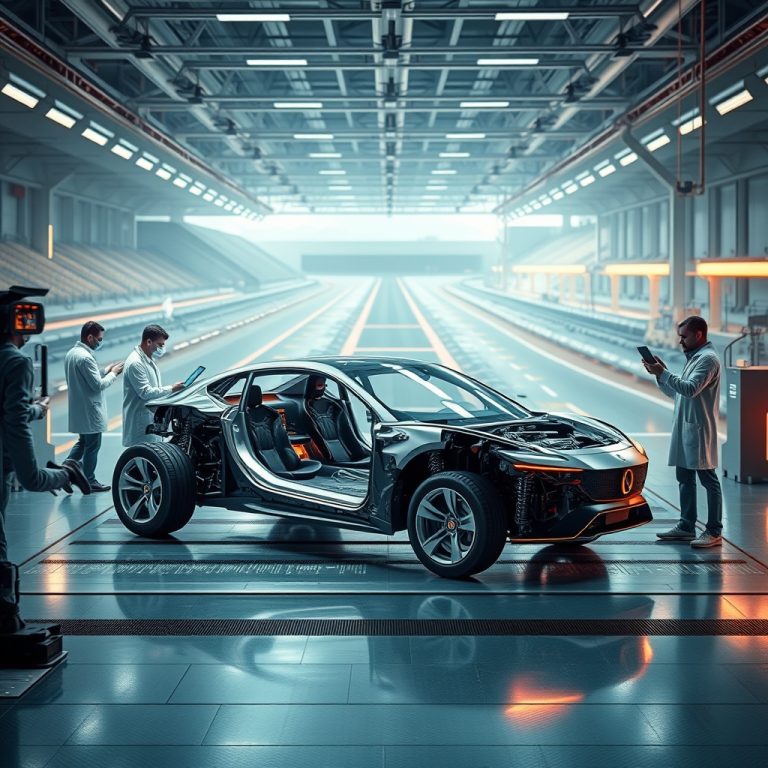
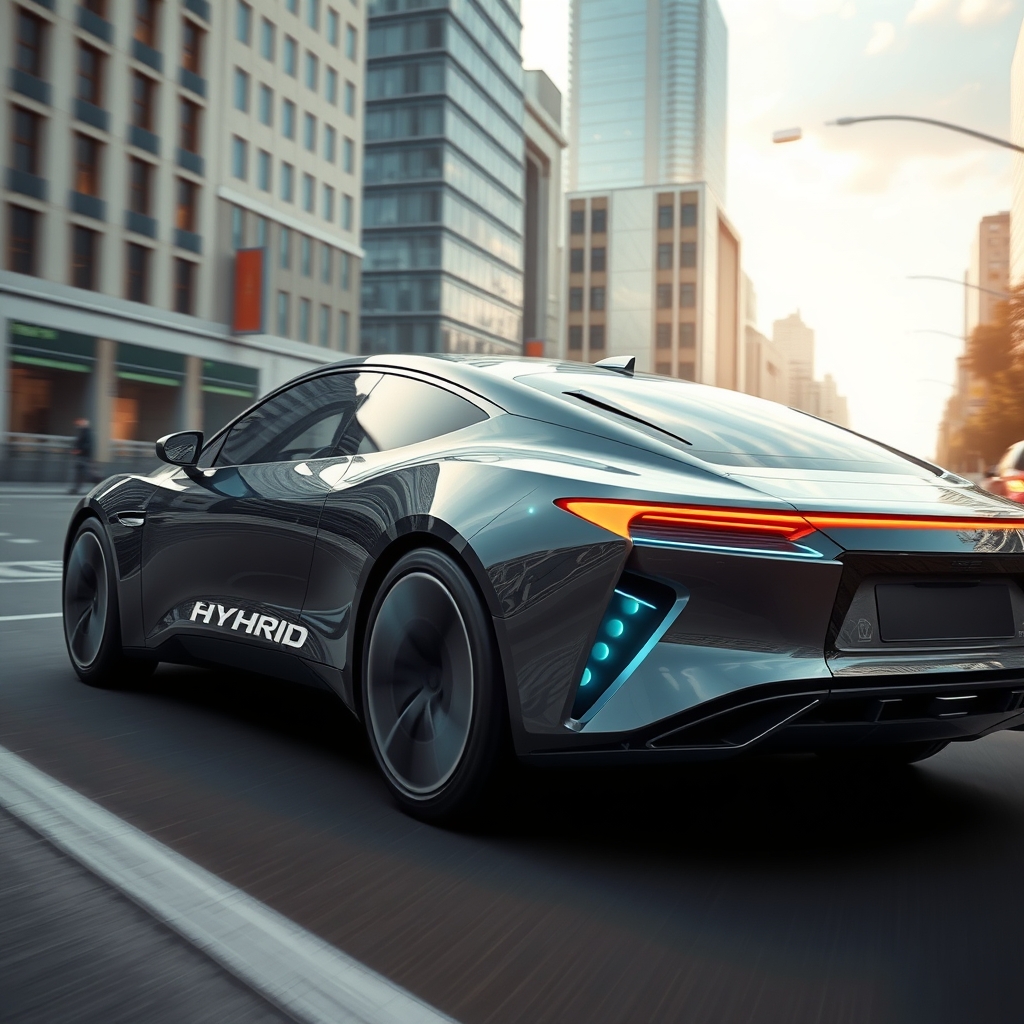
The modern automotive landscape is undergoing a transformation that is as profound as it is subtle. While much attention is given to electric powertrains, autonomous driving, and advanced infotainment systems, there is a quieter revolution taking place beneath the surface—one that is redefining how vehicles harness and utilize energy. Automotive energy recovery systems, once a niche technology, are now at the forefront of efficiency and performance, offering a glimpse into the future of sustainable mobility.
The Science Behind Energy Recovery
At its core, energy recovery in automobiles is about capturing energy that would otherwise be lost and repurposing it to enhance performance or extend range. The most well-known example of this is regenerative braking, a system that converts kinetic energy into electrical energy during deceleration. This energy is then stored in the vehicle’s battery, ready to be deployed when needed. While regenerative braking is a staple in hybrid and electric vehicles, its principles are being expanded and refined in ways that are reshaping the entire automotive industry.
Beyond braking, energy recovery systems are now being integrated into other aspects of vehicle dynamics. For instance, some advanced systems capture energy from suspension movement, converting the up-and-down motion of the wheels into usable electrical power. Others harness waste heat from the engine or exhaust, transforming thermal energy into electricity through thermoelectric generators. These innovations are not just about improving efficiency—they are about reimagining how vehicles interact with the energy they consume.
The Impact on Hybrid and Electric Vehicles
For hybrid and electric vehicles, energy recovery systems are a game-changer. Regenerative braking alone can improve the range of an electric vehicle by up to 20%, a significant boost that makes EVs more practical for everyday use. But the benefits extend beyond range. By recovering energy that would otherwise be wasted, these systems reduce the overall demand on the battery, which can extend its lifespan and improve long-term reliability. This is particularly important as the automotive industry shifts toward electrification, where battery health and longevity are critical factors in consumer adoption.
Moreover, energy recovery systems are enabling new levels of performance in hybrid vehicles. By supplementing the internal combustion engine with recovered energy, hybrids can achieve acceleration and power outputs that rival traditional gasoline-powered cars, all while maintaining superior fuel efficiency. This dual benefit—enhanced performance and reduced emissions—is a key reason why energy recovery systems are becoming a standard feature in modern hybrids.
Beyond Electrification: Energy Recovery in Traditional Vehicles
While energy recovery systems are often associated with hybrid and electric vehicles, their potential extends to traditional internal combustion engine (ICE) vehicles as well. In fact, some of the most exciting advancements in energy recovery are being developed for gasoline and diesel-powered cars. For example, turbocharged engines can now be paired with energy recovery systems that capture excess exhaust energy, using it to spin a turbine that generates electricity. This electricity can then be used to power auxiliary systems, reducing the load on the engine and improving overall efficiency.
Another promising area is the integration of energy recovery with start-stop systems. In urban driving conditions, where frequent stopping and starting is common, these systems can capture energy during deceleration and use it to restart the engine more efficiently. This not only reduces fuel consumption but also minimizes wear and tear on the starter motor, further enhancing the vehicle’s longevity.
The Future of Energy Recovery: Smart and Adaptive Systems
The next frontier in automotive energy recovery lies in smart, adaptive systems that can optimize energy capture and deployment in real-time. Advances in artificial intelligence and machine learning are enabling vehicles to predict driving conditions and adjust their energy recovery strategies accordingly. For example, a car equipped with predictive algorithms could anticipate a downhill stretch of road and adjust its regenerative braking to maximize energy capture, or it could detect an upcoming traffic jam and pre-condition the battery to handle the stop-and-go driving more efficiently.
These smart systems are also being integrated with vehicle-to-everything (V2X) communication, allowing cars to share data about road conditions, traffic patterns, and energy demand. This interconnected approach could lead to a more holistic energy management system, where vehicles not only recover energy for their own use but also contribute to a broader energy grid. Imagine a future where electric vehicles act as mobile energy storage units, feeding excess energy back into the grid during peak demand—this is the promise of smart energy recovery systems.
The Broader Implications for Sustainability
The rise of automotive energy recovery systems is not just a technological advancement—it is a step toward a more sustainable future. By maximizing the efficiency of every joule of energy, these systems reduce the overall demand for fossil fuels and lower greenhouse gas emissions. This is particularly important as the global automotive industry grapples with the challenges of climate change and the transition to cleaner energy sources.
Furthermore, energy recovery systems are helping to bridge the gap between traditional and electric vehicles, making it easier for consumers to adopt more sustainable transportation options. As these systems become more advanced and widespread, they will play a crucial role in reducing the environmental impact of the automotive industry, one mile at a time.
As we look to the future, it is clear that energy recovery systems will continue to evolve, driven by innovation and the relentless pursuit of efficiency. What was once a hidden aspect of automotive engineering is now emerging as a cornerstone of modern vehicle design, shaping the way we think about performance, sustainability, and the very nature of driving itself. The road ahead is not just about where we are going, but how we get there—and energy recovery systems are paving the way for a smarter, cleaner, and more efficient journey.
About the Author