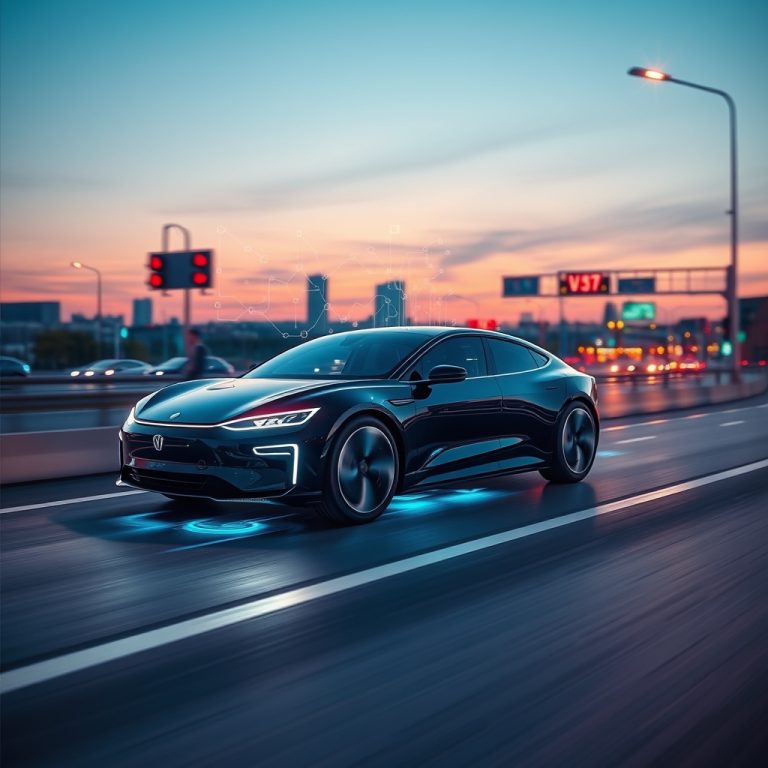
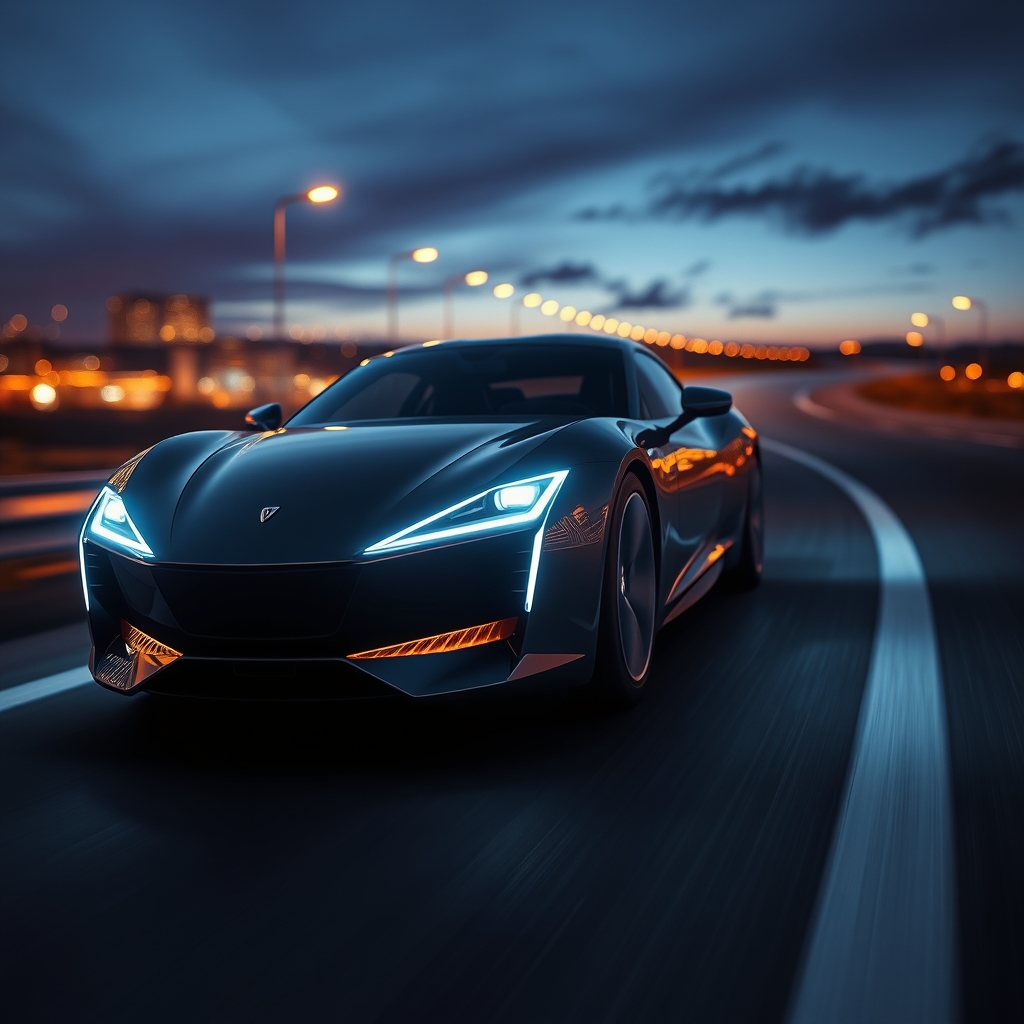
Automotive lighting has come a long way from the simple incandescent bulbs of the early 20th century. Today, it stands at the intersection of innovation, safety, and design, transforming how we see and are seen on the road. The evolution of automotive lighting is not just about brightness; it’s about intelligence, efficiency, and adaptability, reshaping the driving experience in ways that were once unimaginable.
The Rise of LED Technology
Light Emitting Diodes (LEDs) have revolutionized automotive lighting, offering a blend of energy efficiency, longevity, and design flexibility that traditional bulbs simply cannot match. Unlike incandescent bulbs, which waste a significant portion of energy as heat, LEDs convert nearly all their energy into light, making them far more efficient. This efficiency translates into lower power consumption, which is particularly beneficial for electric vehicles (EVs) where every watt counts toward extending range.
Beyond efficiency, LEDs have enabled automakers to experiment with bold, distinctive designs. The compact size of LEDs allows for sleek, aerodynamic headlight clusters that can be shaped into intricate patterns, giving vehicles a signature look. Brands like Audi, BMW, and Mercedes-Benz have leveraged LED technology to create iconic lighting signatures, such as Audi’s distinctive daytime running lights or BMW’s angel-eye halos, which have become synonymous with their identity.
The Precision of Laser Headlights
While LEDs have set a new standard, laser headlights are pushing the boundaries even further. Laser lighting is not about replacing LEDs but enhancing them, offering a level of precision and range that was previously unattainable. Laser headlights use a series of diodes to generate a highly focused beam of light, which is then converted into a broad, bright illumination by a phosphor material. The result is a light source that can project up to 600 meters ahead—nearly double the range of the best LED headlights—while consuming even less energy.
This extended range is particularly valuable for high-speed driving, where early visibility of obstacles, pedestrians, or animals can make the difference between a close call and a collision. Laser headlights also excel in adaptive lighting scenarios, where they can dynamically adjust the beam pattern to avoid blinding oncoming drivers while still illuminating the road ahead. However, the complexity and cost of laser technology mean it remains a premium feature, primarily found in high-end vehicles like the BMW 7 Series or Audi R8.
The Intelligence of Adaptive Lighting Systems
Adaptive lighting systems represent the next frontier in automotive illumination, combining sensors, cameras, and advanced algorithms to create a dynamic lighting experience. These systems go beyond simply turning lights on and off; they actively respond to driving conditions, adjusting the direction, intensity, and shape of the light beam in real time. For example, when a car approaches a curve, adaptive headlights can swivel to illuminate the road ahead, rather than just the straight path in front of the vehicle. Similarly, in urban environments, they can dim or redirect light to avoid dazzling pedestrians or other drivers.
One of the most impressive advancements in adaptive lighting is the integration of predictive technology. Using GPS data and map information, some systems can anticipate upcoming road features, such as sharp turns or roundabouts, and adjust the lighting accordingly before the driver even begins to steer. This level of foresight enhances safety by providing optimal visibility precisely where it’s needed most. Additionally, adaptive lighting can work in tandem with other driver-assistance systems, such as lane-keeping assist or automatic emergency braking, to create a more cohesive and responsive driving experience.
The Role of Lighting in Autonomous Vehicles
As autonomous vehicles (AVs) move closer to mainstream adoption, automotive lighting is evolving to serve new purposes. In a world where cars drive themselves, lighting is no longer just about illuminating the road—it’s about communication. AVs need a way to signal their intentions to pedestrians, cyclists, and other drivers, and lighting is emerging as a key tool for this interaction. For instance, some prototypes use dynamic light displays to indicate whether the vehicle is yielding, stopping, or preparing to turn, replacing traditional turn signals with more intuitive visual cues.
Moreover, interior lighting in autonomous vehicles is taking on a new role. With drivers no longer needing to focus solely on the road, ambient lighting can be used to create a more comfortable and personalized cabin environment. Adjustable color temperatures, mood lighting, and even lighting that syncs with music or navigation prompts are becoming standard features, transforming the car into a mobile living space.
The Sustainability Factor
In an era where sustainability is a top priority, automotive lighting is also making strides in reducing its environmental impact. LEDs and laser lights consume significantly less energy than traditional bulbs, which not only improves fuel efficiency in internal combustion engines but also extends the range of electric vehicles. Additionally, the long lifespan of LEDs—often lasting the entire life of the vehicle—reduces the need for replacements, cutting down on waste and the environmental cost of manufacturing and disposal.
Some automakers are also exploring the use of recycled or eco-friendly materials in lighting components. For example, sustainable plastics and biodegradable coatings are being tested to further minimize the carbon footprint of automotive lighting systems. As the industry continues to prioritize sustainability, we can expect even more innovations in this space, from solar-powered lighting to systems that harvest energy from vehicle vibrations.
The journey of automotive lighting from a basic necessity to a cutting-edge technology reflects the broader evolution of the automotive industry. What was once a simple bulb has become a sophisticated system that enhances safety, efficiency, and aesthetics, all while adapting to the changing needs of drivers and the environment. As we look to the future, the possibilities for automotive lighting are as limitless as the roads we travel, illuminating not just the path ahead but the potential of what’s to come. The road is brighter than ever, and it’s only getting smarter.
About the Author