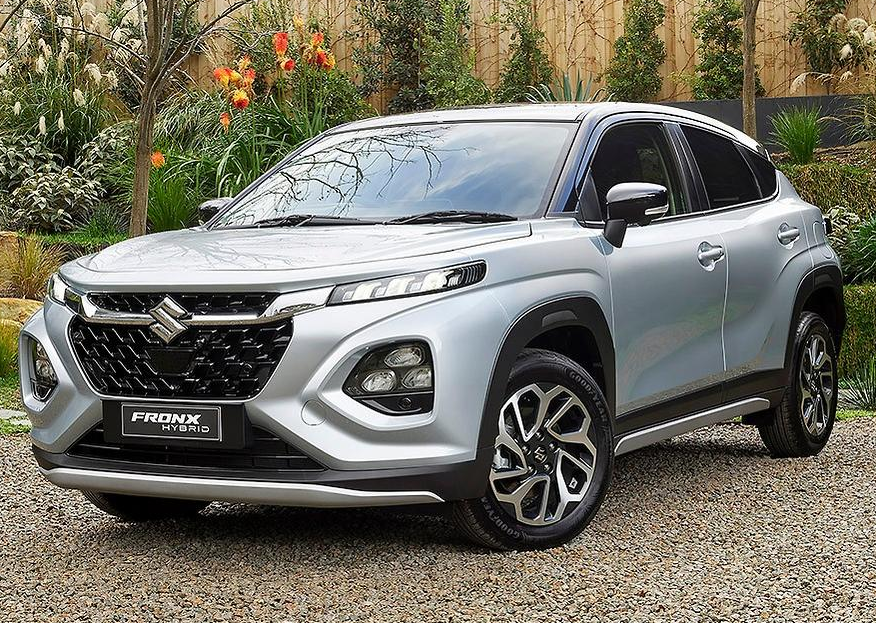
The automotive landscape is evolving with unprecedented speed. Once dominated by conventional combustion engines, the market now reflects a paradigm shift towards efficiency, sustainability, and innovation. Hybrids, long considered the bridge between gasoline and electric power, have risen to prominence as a sophisticated solution for consumers seeking environmental consciousness without sacrificing convenience.
The present year has witnessed extraordinary progress, with manufacturers introducing models that blend refined engineering, cutting-edge technology, and impressive fuel efficiency. This comprehensive analysis ranks the Best Hybrid Cars of the year, dissecting their strengths, weaknesses, and the elements that position them as frontrunners in a fiercely competitive industry.
Why Hybrids Still Matter
The debate surrounding full electric versus hybrid often obscures the practical value of hybrids. While electric vehicles (EVs) capture headlines, hybrids offer a more balanced proposition: they mitigate range anxiety, reduce carbon footprints, and leverage infrastructure already available worldwide.
The Best Hybrid Cars stand out not merely because of fuel efficiency but also due to their versatility. They excel in urban commutes, long-distance drives, and environments where charging stations are scarce. Furthermore, hybrids often come at a more accessible price point compared to their fully electric counterparts, democratizing sustainable driving.
Evaluation Criteria for Ranking
Experts have used a multidimensional framework to assess contenders for the Best Hybrid Cars list. Each vehicle is evaluated across several categories:
-
Fuel Efficiency and Range – Miles per gallon equivalent (MPGe) and total driving range.
-
Performance Dynamics – Acceleration, handling, and overall driving comfort.
-
Technology and Features – Infotainment, driver assistance systems, and hybrid system sophistication.
-
Practicality – Cabin space, cargo capacity, and user-friendliness.
-
Value Proposition – Price relative to benefits, reliability, and long-term ownership costs.
With these criteria in place, the rankings reflect not only engineering excellence but also the holistic experience each car delivers.
1. Toyota Prius Prime
The Toyota Prius remains synonymous with hybrids, and the latest Prius Prime iteration reasserts its dominance. Distinguished by sleek aerodynamic lines and a refined plug-in hybrid system, it offers an electric-only range sufficient for most daily commutes.
-
Fuel Efficiency: Exceptional, with over 50 MPG combined and up to 44 miles electric-only range.
-
Performance: Smooth acceleration courtesy of its dual motor setup.
-
Features: Advanced Toyota Safety Sense, a large infotainment touchscreen, and seamless smartphone integration.
-
Practicality: Spacious for a compact, with rear seating optimized for comfort.
The Prius Prime epitomizes why Toyota remains at the forefront of hybrid innovation, earning its place as one of the Best Hybrid Cars this year.
2. Hyundai Ioniq Hybrid
Hyundai’s Ioniq Hybrid has been engineered with precision, focusing on fuel economy while retaining modern design and comfort.
-
Fuel Efficiency: Among the highest in its class, averaging around 58 MPG combined.
-
Performance: Agile and lightweight, delivering a responsive urban driving experience.
-
Features: Digital cockpit, wireless charging, and adaptive cruise control.
-
Practicality: Ample trunk space compared to competitors.
Its affordability combined with superb efficiency solidifies its ranking in the Best Hybrid Cars lineup.
3. Honda Accord Hybrid
The Honda Accord Hybrid merges sophistication with practical engineering, targeting consumers who desire a midsize sedan that balances performance and sustainability.
-
Fuel Efficiency: Approximately 47 MPG combined.
-
Performance: Equipped with a two-motor hybrid system delivering robust torque for highway and city drives.
-
Features: Intuitive infotainment system, premium materials, and advanced driver-assistance features.
-
Practicality: Spacious interior with generous legroom, ideal for families.
This blend of refinement and utility makes the Accord Hybrid a standout choice among the Best Hybrid Cars for professionals and families alike.
4. Ford Escape Hybrid
Ford’s Escape Hybrid represents the crossover category with distinction. Offering versatility for urban and suburban lifestyles, it integrates hybrid efficiency with SUV practicality.
-
Fuel Efficiency: Approximately 41 MPG combined.
-
Performance: Confident handling with available all-wheel drive.
-
Features: SYNC 4 infotainment system, wireless Apple CarPlay, and expansive driver aids.
-
Practicality: Flexible cargo configurations and roomy seating.
The Escape Hybrid is not only efficient but also versatile, earning its position on the Best Hybrid Cars ranking for those who prioritize utility.
5. Lexus ES 300h
Luxury and efficiency converge in the Lexus ES 300h. Crafted with meticulous detail, it appeals to drivers unwilling to compromise comfort for sustainability.
-
Fuel Efficiency: Approximately 44 MPG combined.
-
Performance: Smooth, quiet ride emblematic of Lexus refinement.
-
Features: Premium sound systems, luxurious upholstery, and Lexus Safety System+.
-
Practicality: Generous trunk space and premium cabin finish.
This vehicle exemplifies how luxury hybrids are redefining expectations, positioning it among the Best Hybrid Cars in the premium segment.
6. Toyota RAV4 Hybrid
The Toyota RAV4 Hybrid continues to set benchmarks in the compact SUV category. It fuses rugged styling with dependable hybrid mechanics.
-
Fuel Efficiency: 40 MPG combined, impressive for an SUV.
-
Performance: Responsive, with available all-wheel drive enhancing versatility.
-
Features: Panoramic sunroof, advanced infotainment, and Toyota’s reliable safety suite.
-
Practicality: Generous cargo capacity and adaptable seating.
Its popularity stems from combining utility with eco-conscious engineering, making it a staple in the Best Hybrid Cars ranking.
7. Kia Sorento Hybrid
The Kia Sorento Hybrid enters the midsize SUV segment with authority, offering three-row seating alongside commendable efficiency.
-
Fuel Efficiency: Around 37 MPG combined.
-
Performance: Turbocharged hybrid system ensures lively acceleration.
-
Features: Modern interior with a 10.25-inch infotainment system, driver assistance, and wireless connectivity.
-
Practicality: Seats up to seven, with flexible cargo space.
For families desiring size without excessive fuel consumption, the Sorento is among the Best Hybrid Cars of the year.
8. Honda CR-V Hybrid
Honda’s CR-V Hybrid is a balanced choice for drivers prioritizing reliability, comfort, and efficiency in a compact SUV.
-
Fuel Efficiency: 38 MPG combined.
-
Performance: Two-motor hybrid system delivers steady acceleration.
-
Features: Upgraded cabin technology, active safety systems, and quiet operation.
-
Practicality: Flexible cargo hold and practical design.
It consistently ranks among the Best Hybrid Cars due to its dependable engineering and wide appeal.
9. BMW 330e
Blending German precision with electrified innovation, the BMW 330e plug-in hybrid sedan exemplifies performance-driven efficiency.
-
Fuel Efficiency: About 28 MPG combined with up to 23 miles electric-only range.
-
Performance: Turbocharged engine paired with an electric motor creates exhilarating acceleration.
-
Features: iDrive infotainment, high-end materials, and luxury appointments.
-
Practicality: Compact yet refined, with a balance of sport and daily usability.
Its sporty DNA ensures it remains a desirable option in the Best Hybrid Cars category for performance enthusiasts.
10. Volvo XC90 Recharge
Volvo’s flagship SUV, the XC90 Recharge, embodies Scandinavian elegance with hybrid sophistication.
-
Fuel Efficiency: 27 MPG combined with up to 36 miles electric-only range.
-
Performance: Turbocharged and supercharged engine paired with hybrid powertrain.
-
Features: Intuitive Google-based infotainment, semi-autonomous driving capabilities.
-
Practicality: Spacious three-row seating with top-tier safety ratings.
Its blend of safety, design, and hybrid technology positions it firmly among the Best Hybrid Cars in the luxury SUV market.
Expert Insights: Trends in Hybrid Technology
The year’s Best Hybrid Cars reflect a convergence of priorities—sustainability, affordability, luxury, and versatility. Experts emphasize several trends shaping the market:
-
Plug-In Hybrid Expansion: Greater ranges allow drivers to rely more on electric power for daily commutes.
-
Improved Battery Longevity: Lithium-ion advances reduce degradation concerns and extend efficiency.
-
Hybrid SUVs Domination: Consumer preference for crossovers has led to remarkable innovation in hybrid SUVs.
-
Integration of AI and Connectivity: Hybrids now feature systems that learn driver patterns, optimizing energy use.
-
Luxury Hybrid Surge: Premium brands are marrying opulence with eco-consciousness.
Practical Considerations for Buyers
When selecting from the Best Hybrid Cars, buyers should evaluate personal priorities:
-
Commuters: Compact hybrids like the Hyundai Ioniq or Toyota Prius Prime maximize daily efficiency.
-
Families: SUVs such as the RAV4 Hybrid or Kia Sorento Hybrid balance space and fuel economy.
-
Luxury Seekers: Lexus ES 300h and Volvo XC90 Recharge deliver refinement alongside sustainability.
-
Performance Enthusiasts: The BMW 330e combines hybrid benefits with exhilarating driving dynamics.
Budget, lifestyle, and geographic conditions should guide the ultimate decision.
The hybrids that dominate this year’s rankings redefine what drivers can expect from sustainable mobility. The Best Hybrid Cars excel not only in conserving fuel but also in delivering sophisticated technology, driving pleasure, and versatility. From compact sedans to luxury SUVs, hybrids now span every segment, ensuring options for diverse lifestyles.
As the automotive industry navigates the transition toward electrification, hybrids continue to serve as the pragmatic choice—offering efficiency without compromise, accessibility without sacrifice, and innovation that bridges the present with the future. The vehicles ranked here are not merely cars; they are statements of progress, symbolizing how far hybrid technology has advanced and where it is destined to go next.
About the Author