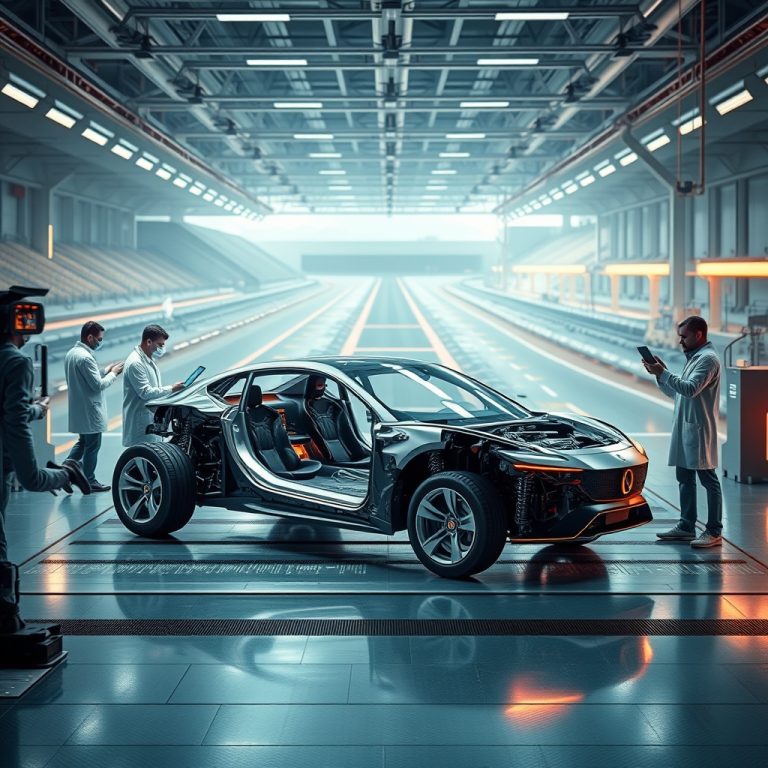

The automotive industry stands at the precipice of a transformative era, driven by unprecedented technological advancements. The fusion of artificial intelligence, electrification, autonomous systems, and sustainable energy solutions is reshaping the landscape of mobility. This comprehensive exploration delves into the multifaceted evolution of automotive technology, forecasting innovations that will define the next generation of vehicles.
The Evolution of Automotive Technology
Historically, the progression of automotive technology has been marked by mechanical ingenuity and incremental enhancements. From the advent of the internal combustion engine to the integration of electronic control units, each milestone has propelled the industry forward. The current trajectory, however, is distinguished by a convergence of digitalization and environmental consciousness.
Autonomous Driving: Redefining Mobility
Autonomous vehicles (AVs) represent a paradigm shift in automotive technology. Leveraging sophisticated algorithms, LiDAR, radar, and machine learning, AVs are poised to revolutionize transportation safety and efficiency. The transition from Level 2 (partial automation) to Level 5 (full automation) autonomy involves overcoming complex challenges related to perception, decision-making, and regulatory frameworks.
Key Innovations in Autonomous Driving:
- Sensor Fusion: Enhancing environmental awareness through the integration of multiple sensory data streams.
- V2X Communication: Vehicle-to-everything (V2X) technology facilitates real-time interaction with infrastructure, pedestrians, and other vehicles.
- Ethical Algorithms: Addressing moral dilemmas in decision-making processes to ensure equitable outcomes in critical situations.
Electrification and Sustainable Mobility
The global pivot towards electric vehicles (EVs) underscores the commitment to reducing carbon emissions and mitigating climate change. Advancements in battery chemistry, such as solid-state batteries, promise extended range, faster charging times, and enhanced safety.
Trends in Electric Automotive Technology:
- Energy Density Optimization: Innovations in anode and cathode materials to improve energy storage efficiency.
- Wireless Charging: Development of dynamic charging systems enabling vehicles to recharge while in motion.
- Second-Life Applications: Repurposing EV batteries for grid storage solutions, contributing to energy sustainability.
Connectivity and the Internet of Things (IoT)
The integration of IoT within automotive technology fosters a connected ecosystem where vehicles communicate seamlessly with external networks. This connectivity enhances navigation, diagnostics, and infotainment, creating a holistic driving experience.
Pioneering Developments:
- Over-the-Air (OTA) Updates: Enabling remote software enhancements, reducing the need for physical recalls.
- Telematics: Advanced data analytics for predictive maintenance and fleet management.
- Cybersecurity Protocols: Robust defense mechanisms to safeguard against digital threats in connected vehicles.
Advanced Driver Assistance Systems (ADAS)
ADAS technologies are integral to improving road safety and driver convenience. Features such as adaptive cruise control, lane-keeping assistance, and automated emergency braking are becoming standard in modern vehicles.
Emerging ADAS Features:
- Augmented Reality Displays: Enhancing situational awareness through real-time information overlays.
- Driver Monitoring Systems: Utilizing biometric sensors to detect driver fatigue and distraction.
- Adaptive Algorithms: Learning from user behavior to personalize assistance features.
Materials Science and Lightweight Engineering
Innovations in materials science are pivotal for enhancing vehicle performance, safety, and fuel efficiency. The adoption of advanced composites, high-strength steel, and aluminum alloys contributes to weight reduction without compromising structural integrity.
Key Material Technologies:
- Carbon Fiber Reinforced Polymers (CFRP): Offering superior strength-to-weight ratios for high-performance applications.
- Nano-Coatings: Providing enhanced resistance to corrosion, wear, and environmental factors.
- Self-Healing Materials: Utilizing microcapsules and shape-memory alloys to autonomously repair minor damages.
Hydrogen Fuel Cells: The Alternative Frontier
While battery-electric vehicles dominate the electrification narrative, hydrogen fuel cell technology presents a viable alternative, particularly for heavy-duty and long-haul applications. Fuel cells convert hydrogen into electricity, emitting only water vapor as a byproduct.
Advantages of Hydrogen Automotive Technology:
- Rapid Refueling: Comparable to traditional gasoline refueling times.
- Extended Range: Higher energy density compared to conventional batteries.
- Versatility: Applicability across diverse transportation sectors, including aviation and maritime.
The Role of Artificial Intelligence (AI)
AI is the linchpin of modern automotive technology, driving advancements in autonomy, personalization, and predictive analytics. Machine learning algorithms enable vehicles to adapt to dynamic environments, optimize performance, and enhance user experiences.
AI-Driven Innovations:
- Natural Language Processing (NLP): Facilitating intuitive human-machine interactions.
- Predictive Analytics: Anticipating maintenance needs and optimizing operational efficiency.
- Edge Computing: Processing data locally within the vehicle for real-time decision-making.
Urban Mobility and Smart Infrastructure
The evolution of automotive technology extends beyond the vehicle itself, encompassing smart cities and intelligent transportation systems (ITS). These integrated ecosystems aim to optimize traffic flow, reduce congestion, and enhance urban livability.
Smart Mobility Solutions:
- Multimodal Transport Integration: Seamless connectivity between private vehicles, public transit, and micro-mobility options.
- Dynamic Traffic Management: Real-time adjustments to traffic signals and routes based on current conditions.
- Green Corridors: Infrastructure designed to support eco-friendly transportation modes.
The Future Workforce: Skills and Adaptation
As automotive technology evolves, so too must the workforce. The demand for interdisciplinary expertise spans software engineering, data science, cybersecurity, and renewable energy technologies.
Educational Imperatives:
- STEM Focus: Emphasis on science, technology, engineering, and mathematics education.
- Lifelong Learning: Continuous skill development to keep pace with rapid technological changes.
- Collaborative Innovation: Fostering partnerships between academia, industry, and government entities.
Ethical and Regulatory Considerations
The proliferation of advanced automotive technology necessitates robust ethical frameworks and regulatory oversight. Issues related to data privacy, algorithmic bias, and safety standards must be addressed to ensure public trust and equitable outcomes.
Key Ethical Challenges:
- Data Governance: Ensuring transparent and secure handling of personal and operational data.
- Algorithmic Accountability: Developing standards for fairness and explainability in AI-driven systems.
- Global Harmonization: Aligning regulatory practices across jurisdictions to facilitate technological adoption.
The future of automotive technology is an intricate tapestry woven from threads of innovation, sustainability, and human-centric design. As the industry navigates this transformative epoch, the synergy between technology, society, and the environment will define the trajectory of mobility for generations to come.
About the Author