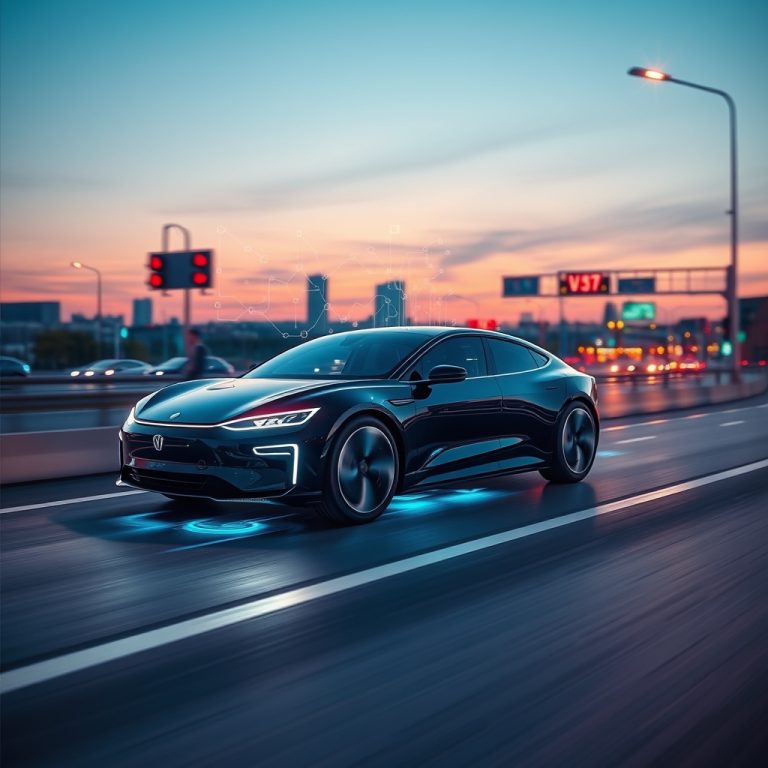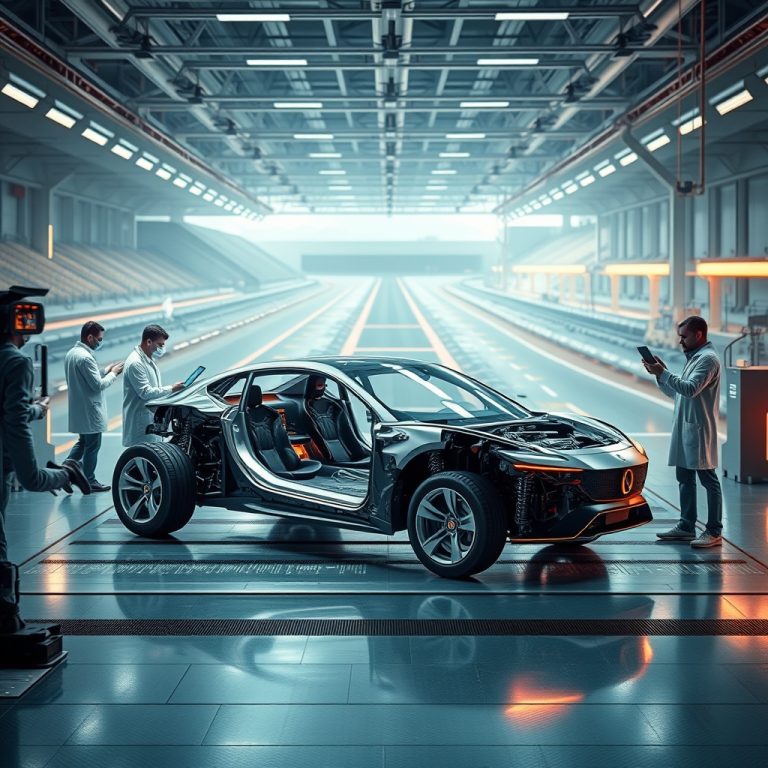

In the bustling streets of modern cities, where traffic jams and idling engines are as common as the morning coffee, a quiet revolution has been unfolding under the hoods of countless vehicles. Automotive start-stop systems, once a niche feature in hybrid vehicles, have now become a standard in many conventional cars, transforming the way we think about fuel efficiency and urban driving. This technology, often overlooked in discussions about automotive innovation, is making a significant impact on both the environment and the wallets of drivers worldwide.
The Birth of a Game-Changing Technology
The concept of start-stop systems is deceptively simple: when a vehicle comes to a complete stop, such as at a traffic light or in heavy traffic, the engine automatically shuts off. The moment the driver releases the brake or engages the clutch, the engine seamlessly restarts, ready to propel the car forward. This technology was first introduced in hybrid vehicles, where the electric motor could take over during low-speed driving, but its adoption in conventional internal combustion engine (ICE) vehicles has been nothing short of revolutionary.
The origins of start-stop systems can be traced back to the 1970s, during the oil crisis, when automakers began exploring ways to reduce fuel consumption. However, it wasn’t until the early 2000s that the technology gained traction, thanks to advancements in battery and starter motor technology. Today, start-stop systems are a common feature in vehicles from compact cars to luxury SUVs, proving that even the smallest innovations can have a profound impact on the automotive landscape.
How Start-Stop Systems Work: The Mechanics Behind the Magic
At the heart of a start-stop system lies a sophisticated interplay of sensors, control units, and mechanical components. When the vehicle comes to a stop, a series of sensors detect that the brake is engaged, the transmission is in drive, and the vehicle’s speed is zero. The engine control unit (ECU) then signals the starter motor to shut off the engine, cutting fuel consumption and emissions to zero.
But how does the engine restart so seamlessly? Modern start-stop systems utilize enhanced starter motors and batteries designed to handle the frequent cycling. Some systems even employ a belt-driven starter generator, which can restart the engine more smoothly and quietly than traditional starter motors. Additionally, the battery is often a high-capacity absorbent glass mat (AGM) or enhanced flooded battery (EFB), capable of delivering the power needed for repeated starts without compromising longevity.
The restart process is triggered when the driver releases the brake or presses the accelerator. The ECU instantly signals the starter motor to reignite the engine, often in less than half a second. This rapid response ensures that the driver experiences minimal delay, making the system feel almost invisible during normal driving conditions.
The Environmental and Economic Impact
The benefits of start-stop systems extend far beyond the convenience of not having to manually turn the engine on and off. In urban driving conditions, where idling accounts for a significant portion of fuel consumption, start-stop systems can reduce fuel usage by up to 10%. This translates to fewer emissions, particularly carbon dioxide (CO2), which is a major contributor to climate change. For city dwellers, this technology is a small but meaningful step toward reducing their carbon footprint.
From an economic perspective, the savings may seem modest at first glance, but they add up over time. For example, a driver who spends an average of 30 minutes idling in traffic each day could save around 100 liters of fuel per year with a start-stop system. At today’s fuel prices, that’s a saving of hundreds of dollars annually, depending on the vehicle and driving habits. Over the lifespan of a car, these savings can be substantial, making start-stop systems a cost-effective feature for both manufacturers and consumers.
Overcoming the Challenges
Despite their benefits, start-stop systems have not been without their critics. Early iterations of the technology were often criticized for being too abrupt, with noticeable delays in engine restart or excessive wear on the starter motor and battery. However, advancements in technology have addressed many of these concerns. Modern systems are smoother, more reliable, and designed to minimize wear on components, ensuring that the benefits far outweigh any potential drawbacks.
Another challenge has been driver acceptance. Some drivers find the automatic shut-off and restart unsettling, particularly in older vehicles where the system may not be as refined. To address this, many automakers have included an override button, allowing drivers to disable the start-stop system if they prefer. However, as the technology has become more widespread, driver acceptance has grown, and many now appreciate the fuel savings and environmental benefits it provides.
The Future of Start-Stop Systems: What Lies Ahead?
As automotive technology continues to evolve, start-stop systems are likely to become even more sophisticated. One area of development is the integration of start-stop systems with hybrid and electric vehicles. In hybrids, the system can work in tandem with the electric motor, further reducing fuel consumption and emissions. For example, in a mild hybrid, the electric motor can assist in restarting the engine, making the process even smoother and more efficient.
Another exciting development is the potential for start-stop systems to work in conjunction with predictive technology. Using data from navigation systems and traffic sensors, the vehicle could anticipate stops and starts, optimizing the engine’s behavior to maximize efficiency. For instance, if the system detects that the vehicle will be stopping at a red light in a few seconds, it could begin shutting down the engine preemptively, further reducing fuel consumption.
Start-stop systems are also likely to play a role in the broader shift toward autonomous driving. As vehicles become more connected and capable of communicating with each other and with infrastructure, start-stop systems could be optimized for entire fleets of vehicles, reducing congestion and emissions in urban areas. Imagine a future where traffic lights and vehicles work together to minimize idling, creating a smoother, more efficient flow of traffic.
As cities grow and the demand for sustainable transportation solutions increases, technologies like start-stop systems will continue to play a crucial role in shaping the future of driving. While they may not be as flashy as electric vehicles or autonomous driving, their impact on fuel efficiency and emissions is undeniable. For drivers, this means a more economical and environmentally friendly way to navigate the urban jungle, one stop at a time. The road ahead is paved with innovation, and start-stop systems are quietly leading the way toward a more efficient and sustainable future.
About the Author