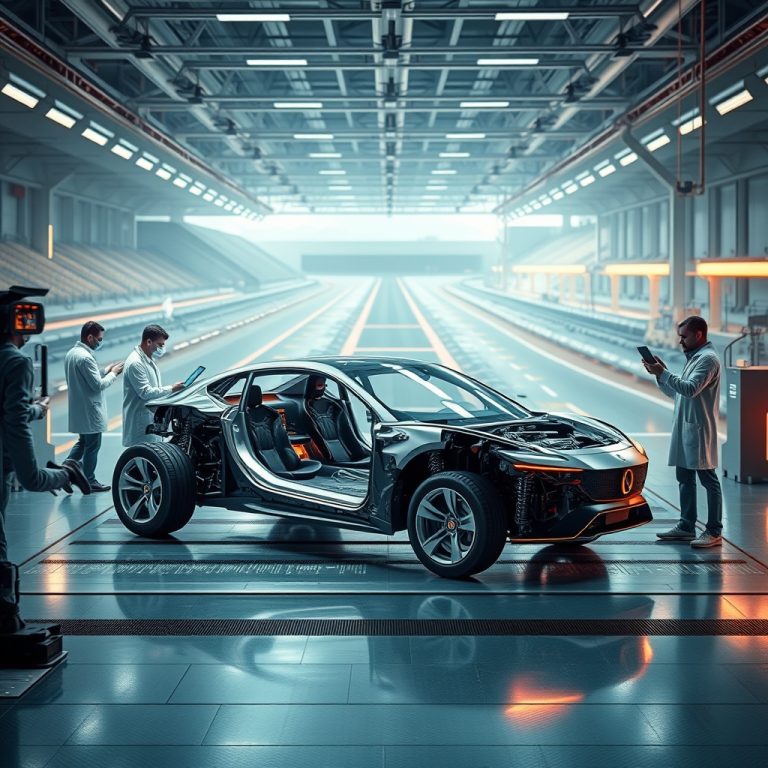

In the world of automotive engineering, some innovations capture the spotlight—turbochargers, electric powertrains, and autonomous driving systems—while others work silently behind the scenes, transforming the way vehicles are built and perform. Among these unsung heroes are automotive adhesives, the invisible bonds that hold modern cars together, enhance safety, and redefine structural integrity. What was once a simple solution for attaching trim or sealing gaps has evolved into a critical component of vehicle design, enabling lighter, stronger, and more efficient automobiles.
The Evolution of Automotive Adhesives
Automotive adhesives have come a long way from their humble beginnings. Early adhesives were primarily used for non-structural applications, such as bonding interior trim or attaching weatherstripping. However, as vehicle designs became more complex and demands for performance and safety increased, so did the need for stronger, more versatile bonding solutions. Today, advanced adhesives are used in nearly every aspect of vehicle assembly, from structural bonding to noise, vibration, and harshness (NVH) reduction.
The shift toward lightweight materials like aluminum, carbon fiber, and high-strength steel has further accelerated the adoption of adhesives. Traditional welding methods, while effective for steel, are less suitable for these modern materials. Adhesives provide a seamless alternative, allowing manufacturers to join dissimilar materials without compromising strength or durability. This has opened the door to innovative designs that were once thought impossible, such as mixed-material body structures that optimize weight and performance.
Strength Beyond Welding: The Structural Advantages
One of the most significant advancements in automotive adhesives is their use in structural bonding. Unlike mechanical fasteners or welds, adhesives distribute stress evenly across a joint, reducing the risk of fatigue and failure. This is particularly important in crash-sensitive areas, where the integrity of the vehicle’s structure can mean the difference between life and death. Modern adhesives are engineered to absorb and dissipate energy during a collision, enhancing passenger safety while maintaining the vehicle’s rigidity.
For example, in electric vehicles (EVs), adhesives play a crucial role in bonding battery packs to the chassis. These bonds must withstand extreme conditions, including temperature fluctuations, vibrations, and impact forces. High-performance adhesives ensure that the battery remains securely in place, even in the event of a crash, while also providing thermal insulation to prevent overheating. This level of reliability is essential for the widespread adoption of EVs, where safety and performance are paramount.
Reducing Weight, Boosting Efficiency
Weight reduction is a constant pursuit in automotive engineering, as lighter vehicles consume less fuel and produce fewer emissions. Adhesives contribute to this goal by enabling the use of lighter materials without sacrificing strength. For instance, replacing traditional spot welds with adhesive bonds can reduce the weight of a vehicle’s body structure by up to 15%, while also improving stiffness and durability. This weight savings translates directly into improved fuel efficiency and lower carbon emissions, making adhesives a key player in the push toward sustainability.
Moreover, adhesives eliminate the need for heavy mechanical fasteners, such as bolts and rivets, which can add unnecessary bulk to a vehicle’s design. By creating smooth, continuous bonds, adhesives also improve aerodynamics, further enhancing efficiency. In high-performance vehicles, where every gram counts, this can make a significant difference in acceleration, handling, and overall performance.
The Role of Adhesives in Noise and Vibration Control
Beyond structural integrity, adhesives play a vital role in enhancing the driving experience by reducing noise and vibration. Modern vehicles are equipped with a variety of adhesives designed to dampen sound and minimize vibrations, creating a quieter, more comfortable cabin. These adhesives are often used in conjunction with other materials, such as foams and sealants, to create a multi-layered approach to NVH reduction.
For example, adhesives are commonly used to bond acoustic insulation materials to the vehicle’s body panels, preventing road noise from entering the cabin. They are also applied to the underbody and wheel wells to reduce the transmission of vibrations from the road surface. In electric vehicles, where the absence of engine noise makes other sounds more noticeable, adhesives are even more critical in creating a serene driving environment.
Durability and Longevity: The Unsung Benefits
Automotive adhesives are not just about strength and performance—they also contribute to the longevity of a vehicle. Unlike mechanical fasteners, which can loosen over time due to vibrations or thermal cycling, adhesives maintain their bond strength throughout the life of the vehicle. This durability is particularly important in harsh environments, where exposure to moisture, chemicals, and temperature extremes can degrade traditional bonding methods.
Advanced adhesives are also resistant to corrosion, which is a common issue in vehicles exposed to road salt and other contaminants. By preventing moisture from seeping into joints, adhesives help protect the vehicle’s structure from rust and degradation, extending its lifespan and reducing maintenance costs. This makes them an invaluable tool for manufacturers looking to build vehicles that stand the test of time.
As the automotive industry continues to evolve, the role of adhesives will only grow more critical. From enabling lightweight designs to enhancing safety and durability, these unsung heroes are quietly revolutionizing the way vehicles are built and driven. While they may not grab headlines like electric powertrains or autonomous systems, their impact on performance, efficiency, and sustainability is undeniable. The next time you get behind the wheel, take a moment to appreciate the invisible bonds that hold your vehicle together—because without them, the cars of today would simply fall apart.
About the Author