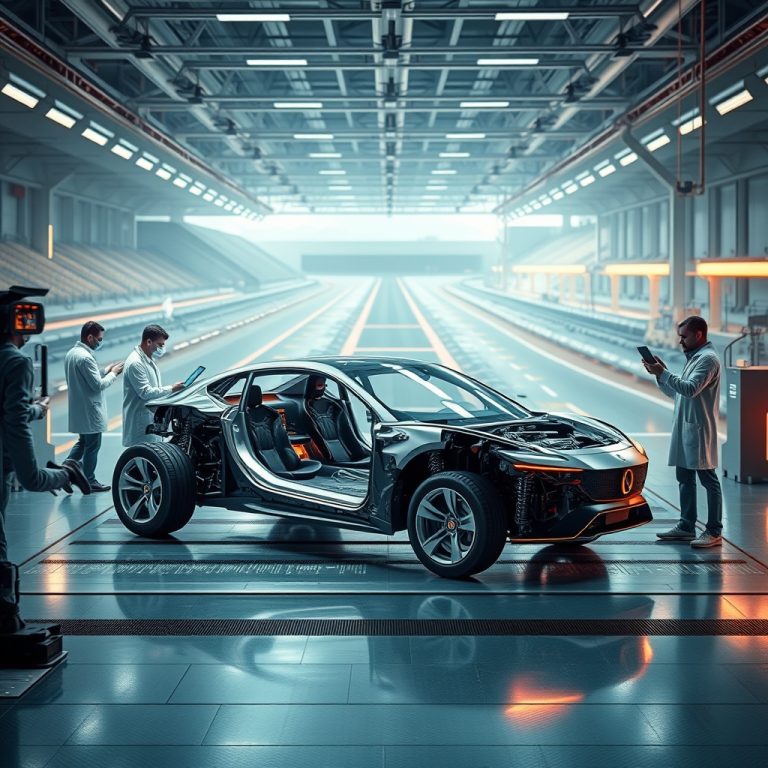
In the world of automotive engineering, where power, efficiency, and reliability intersect, one system often operates in the shadows yet plays a pivotal role in keeping engines running at their peak: the cooling system. While it may not capture the same attention as horsepower figures or cutting-edge infotainment, the cooling system is the unsung hero that ensures your vehicle doesn’t succumb to the intense heat generated under the hood. Without it, even the most advanced engines would quickly overheat, leading to catastrophic failure and costly repairs.
The Science Behind the Heat
Internal combustion engines, whether gasoline or diesel, operate by burning fuel to produce power. However, this process is far from efficient—only about 20-30% of the energy from fuel is converted into useful work. The remaining 70-80% is lost as heat, which must be managed to prevent the engine from overheating. This is where the cooling system steps in, circulating coolant through the engine block and cylinder head to absorb and dissipate excess heat.
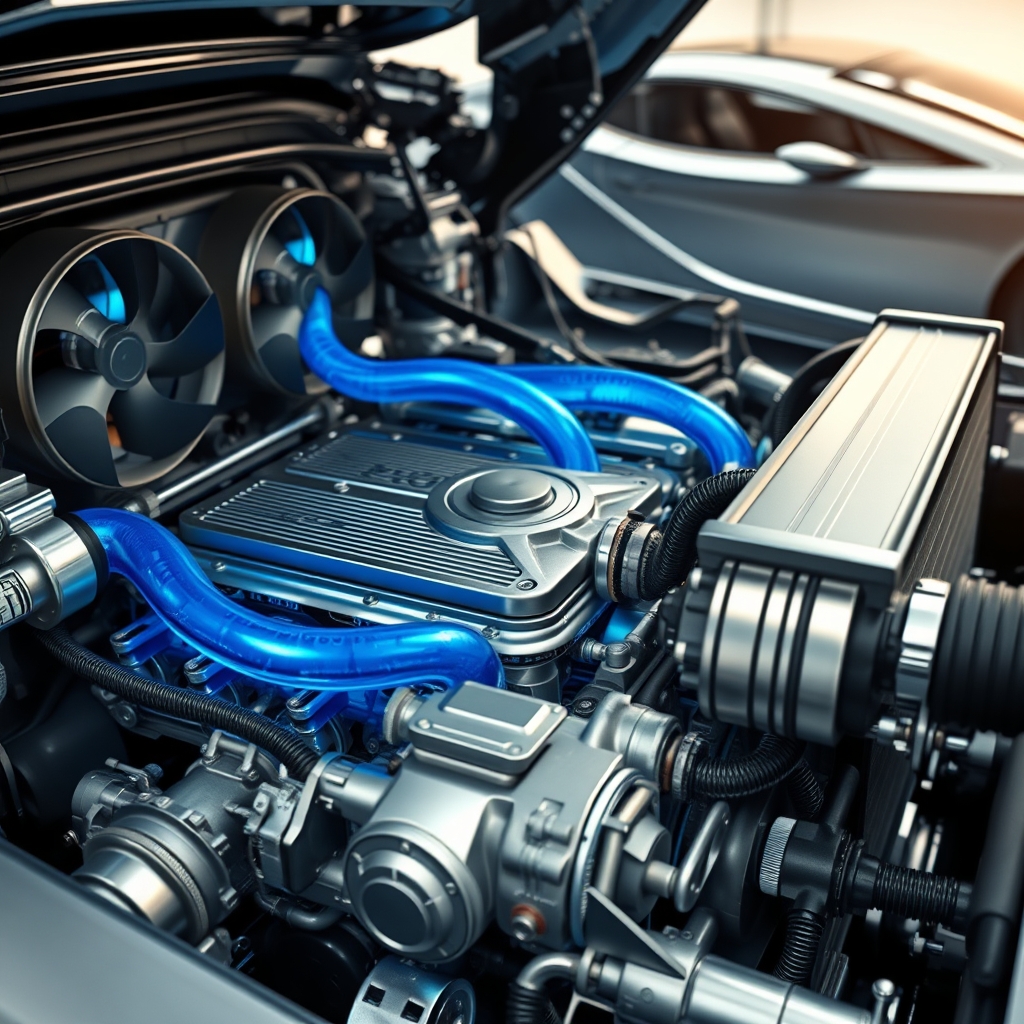
The cooling system’s primary components include the radiator, water pump, thermostat, cooling fan, and a network of hoses and passages. The water pump circulates coolant through the engine, where it absorbs heat before flowing into the radiator. Here, air passing through the radiator fins cools the liquid, which then cycles back into the engine to repeat the process. The thermostat regulates the flow of coolant, ensuring the engine operates within its optimal temperature range, while the cooling fan provides additional airflow when the vehicle is stationary or moving slowly.
Beyond Temperature Control: The Multifaceted Role of Cooling Systems
While temperature regulation is the cooling system’s most obvious function, its impact extends far beyond preventing overheating. Modern engines rely on precise thermal management to optimize performance, fuel efficiency, and emissions. For instance, maintaining the engine at its ideal operating temperature ensures that fuel combusts efficiently, reducing waste and improving mileage. Similarly, a well-regulated cooling system helps minimize harmful emissions by ensuring the catalytic converter operates at peak efficiency.
In high-performance and racing applications, cooling systems take on an even more critical role. Engines in these vehicles generate significantly more heat due to increased power output and higher RPMs. Advanced cooling solutions, such as larger radiators, high-flow water pumps, and auxiliary coolers for oil and transmission fluid, are often employed to keep temperatures in check. Without these enhancements, even the most powerful engines would quickly lose performance or suffer irreversible damage.
The Evolution of Cooling Technology
Automotive cooling systems have come a long way since the early days of motoring. Early vehicles relied on simple air-cooled designs, where fins on the engine block dissipated heat directly into the surrounding air. While effective for small engines, this approach proved inadequate for larger, more powerful motors. The shift to liquid-cooled systems in the mid-20th century marked a significant leap forward, enabling engines to generate more power while maintaining reliability.
Today, cooling technology continues to evolve, driven by the demands of modern engines and environmental regulations. Electric vehicles (EVs), for example, present unique cooling challenges. While EVs don’t have traditional engines, their batteries and electric motors generate heat that must be managed to ensure longevity and performance. Advanced liquid cooling systems, often integrated with thermal management software, are used to maintain optimal temperatures in these components, preventing degradation and extending their lifespan.
Common Cooling System Issues and How to Prevent Them
Despite their importance, cooling systems are not immune to problems. Over time, components like hoses, the water pump, and the radiator can wear out or fail, leading to leaks or reduced efficiency. One of the most common issues is coolant contamination, which can occur when the coolant breaks down or mixes with oil or debris. Contaminated coolant loses its ability to transfer heat effectively, increasing the risk of overheating.
Regular maintenance is key to preventing cooling system failures. This includes flushing and replacing the coolant at manufacturer-recommended intervals, inspecting hoses and belts for signs of wear, and checking the radiator and water pump for leaks. Additionally, monitoring the temperature gauge and addressing any unusual fluctuations can help catch potential issues before they escalate into major problems.
The Future of Automotive Cooling
As automotive technology advances, so too do the demands placed on cooling systems. The rise of hybrid and electric vehicles, along with the push for greater fuel efficiency and lower emissions, is driving innovation in thermal management. For instance, some manufacturers are exploring the use of phase-change materials, which absorb and release heat as they change state, to provide more efficient cooling without the need for complex liquid systems. Others are developing smart cooling systems that use sensors and AI to dynamically adjust coolant flow based on real-time engine conditions.
In the realm of high-performance vehicles, cooling systems are becoming increasingly sophisticated. Turbocharged and supercharged engines, which generate even more heat than naturally aspirated motors, require advanced solutions like intercoolers and oil coolers to maintain performance. These components work in tandem with the primary cooling system to ensure that every part of the engine operates within its ideal temperature range, maximizing power and reliability.
Every time you turn the key or press the start button, the cooling system springs into action, silently working to keep your engine running smoothly. It’s a testament to the ingenuity of automotive engineering that such a critical system often goes unnoticed—until something goes wrong. By understanding its role and giving it the attention it deserves, you can ensure that your vehicle remains a reliable companion on the road, no matter how demanding the journey may be.
About the Author