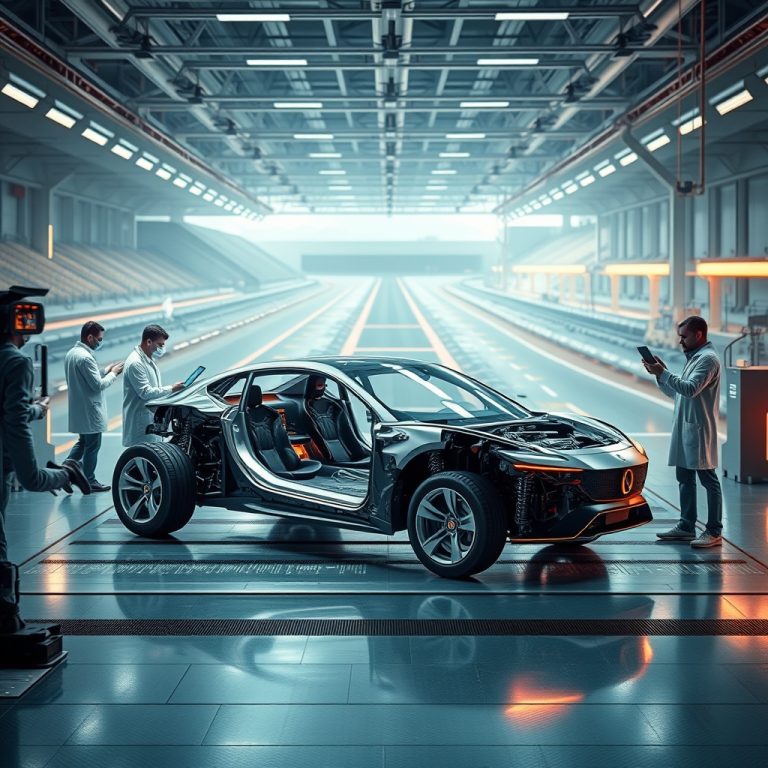
The automotive world has long been obsessed with power—how to extract more of it, how to make it more efficient, and how to do so without sacrificing reliability. While electric vehicles dominate headlines, the internal combustion engine (ICE) continues to evolve, and at the heart of this evolution lies an unsung hero: the turbocharger. Once reserved for high-performance sports cars and diesel trucks, turbochargers have become a staple in modern engines, transforming even the most modest powertrains into silent powerhouses.
The Science Behind the Spin
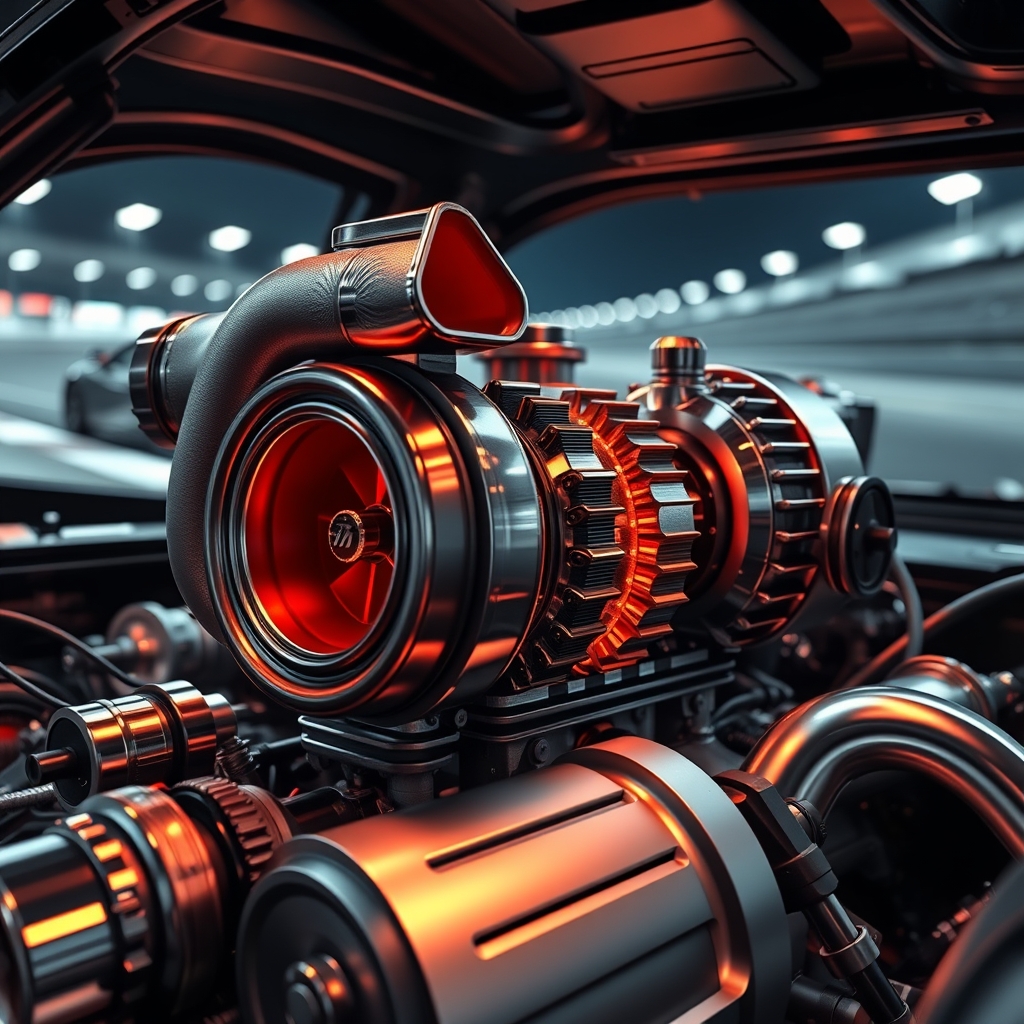
At its core, a turbocharger is a forced induction system that compresses the air entering the engine, allowing more oxygen to mix with fuel in the combustion chamber. This process, known as forced induction, results in a more powerful explosion with each piston stroke, significantly boosting horsepower and torque without increasing engine displacement. The turbocharger itself is driven by exhaust gases, which spin a turbine connected to a compressor wheel via a shaft. As the turbine spins, it forces more air into the engine, creating a cycle of efficiency and performance.
The beauty of turbocharging lies in its ability to deliver power on demand. Unlike naturally aspirated engines, which rely solely on atmospheric pressure to fill their cylinders, turbocharged engines can generate additional power when needed, such as during acceleration or overtaking. This flexibility makes them ideal for a wide range of vehicles, from compact sedans to heavy-duty trucks, and even hybrid systems where they complement electric motors for an extra burst of performance.
The Evolution of Turbocharging: From Lag to Lightning
Early turbochargers were notorious for a phenomenon known as “turbo lag”—a delay between pressing the accelerator and feeling the surge of power. This lag occurred because the exhaust gases needed time to spool up the turbine, leaving drivers waiting for the boost to kick in. However, advancements in turbocharger technology have all but eliminated this issue. Modern turbochargers feature lightweight materials, precision-engineered components, and innovative designs that minimize lag and deliver instant power.
One of the most significant breakthroughs in turbocharging is the development of variable geometry turbochargers (VGT). Unlike traditional turbochargers, which have fixed turbine vanes, VGTs adjust the angle of their vanes to optimize exhaust flow at different engine speeds. This adaptability ensures that the turbocharger performs efficiently across the entire RPM range, reducing lag and improving throttle response. VGTs are particularly common in diesel engines, where they help meet stringent emissions regulations while maintaining performance.
Twin-Scroll and Electric Turbochargers: The Next Frontier
Another innovation in turbocharging is the twin-scroll turbocharger, which separates exhaust pulses from different cylinders to reduce interference and improve efficiency. By directing exhaust gases more precisely, twin-scroll turbos enhance low-end torque and responsiveness, making them a popular choice in high-performance gasoline engines. Meanwhile, electric turbochargers are emerging as a game-changer, using an electric motor to spool the turbine instantly, eliminating lag entirely. These systems are still in their infancy but hold immense promise for the future of forced induction.
The Role of Turbochargers in Fuel Efficiency and Emissions
While turbochargers are often associated with raw power, their impact on fuel efficiency and emissions is equally significant. By enabling smaller engines to produce the power of larger ones, turbocharging allows automakers to downsize their powertrains without sacrificing performance. This downsizing reduces weight, improves aerodynamics, and lowers fuel consumption, all of which contribute to better fuel economy and reduced CO2 emissions. In an era where environmental regulations are becoming increasingly stringent, turbochargers are a critical tool for automakers striving to meet these standards.
Moreover, turbochargers play a vital role in the performance of hybrid vehicles. By pairing a turbocharged engine with an electric motor, automakers can create powertrains that deliver both efficiency and excitement. The electric motor provides instant torque, filling in the gaps where the turbocharger might lag, while the turbocharged engine ensures sustained power for highway driving. This synergy between forced induction and electrification is paving the way for a new generation of high-performance, eco-friendly vehicles.
Real-World Applications: Turbocharging in Everyday Vehicles
Turbochargers are no longer confined to the realm of exotic sports cars. Today, they are found in a wide range of vehicles, from compact hatchbacks to family SUVs. For example, Ford’s EcoBoost engines use turbocharging to deliver V6-like power from a four-cylinder engine, while Volkswagen’s TSI engines combine turbocharging with direct fuel injection for a potent yet efficient powertrain. Even luxury brands like BMW and Mercedes-Benz rely on turbochargers to enhance the performance of their vehicles while maintaining refinement and comfort.
In the world of motorsports, turbocharging has long been a staple, with Formula 1 and World Rally Championship (WRC) cars leveraging forced induction to achieve mind-bending power outputs. The technology trickles down from the track to the street, with automakers using motorsport-derived turbocharging systems to enhance the performance of their production vehicles. This cross-pollination of technology ensures that turbochargers continue to evolve, pushing the boundaries of what is possible in engine performance.
The Challenges and Future of Turbocharging
Despite their many advantages, turbochargers are not without challenges. The high temperatures and pressures they operate under can lead to wear and tear, requiring robust materials and advanced cooling systems to ensure longevity. Additionally, the complexity of turbocharged engines demands precise engineering and tuning to avoid issues like detonation or excessive heat buildup. However, as materials science and computational modeling advance, these challenges are being overcome, making turbochargers more reliable and efficient than ever before.
Looking ahead, the future of turbocharging is bright. With the rise of hybrid and electric vehicles, turbochargers will continue to play a crucial role in bridging the gap between traditional ICEs and fully electric powertrains. Innovations like electric turbochargers and advanced variable geometry systems will further enhance performance, efficiency, and emissions, ensuring that turbocharging remains a cornerstone of automotive engineering for years to come.
As engines grow smaller and more efficient, the turbocharger stands as a testament to the ingenuity of automotive engineers. It is a technology that has transformed the way we think about power, efficiency, and performance, proving that sometimes, the most significant advancements come not from reinventing the wheel, but from making it spin just a little bit faster.
About the Author