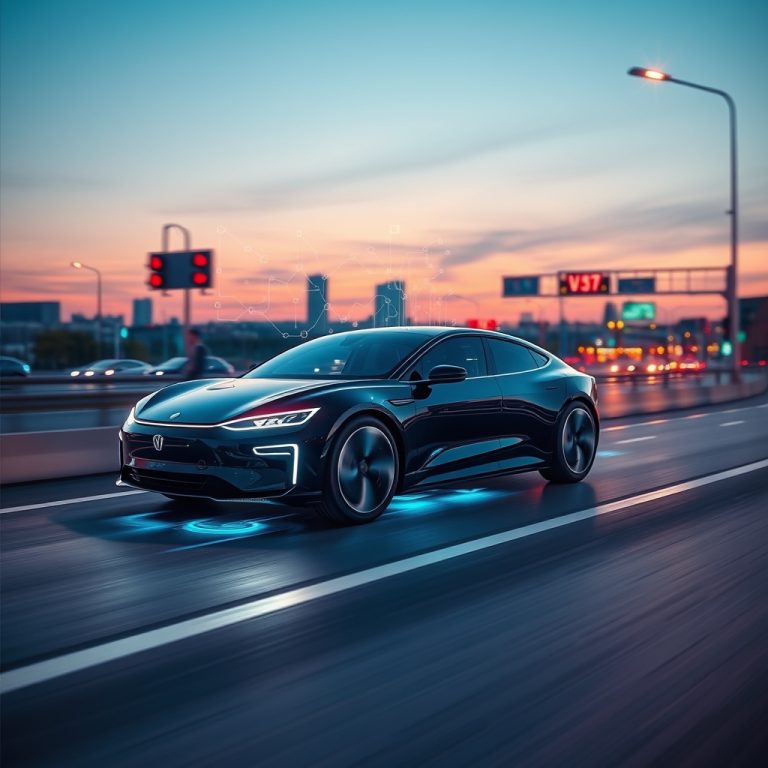
The automotive industry is on the cusp of a transformative leap, one that promises to redefine how vehicles interact with the world around them. At the heart of this evolution lies Vehicle-to-Everything (V2X) communication, a technology that enables cars to communicate not just with each other, but with infrastructure, pedestrians, and even the cloud. This interconnected ecosystem is poised to enhance safety, efficiency, and convenience in ways previously unimaginable, marking a significant shift from isolated driving experiences to a seamlessly connected future.
The Foundation of V2X Communication
V2X communication is built on a network of wireless technologies that allow vehicles to exchange data in real-time. The two primary standards driving this innovation are Dedicated Short-Range Communications (DSRC) and Cellular Vehicle-to-Everything (C-V2X). DSRC, based on Wi-Fi technology, has been the traditional choice for V2X applications, offering low latency and high reliability. However, C-V2X, which leverages existing cellular networks, is gaining traction due to its broader coverage and ability to integrate with 5G technology. Together, these standards form the backbone of a communication framework that extends far beyond the confines of a single vehicle.
Safety: The Foremost Priority
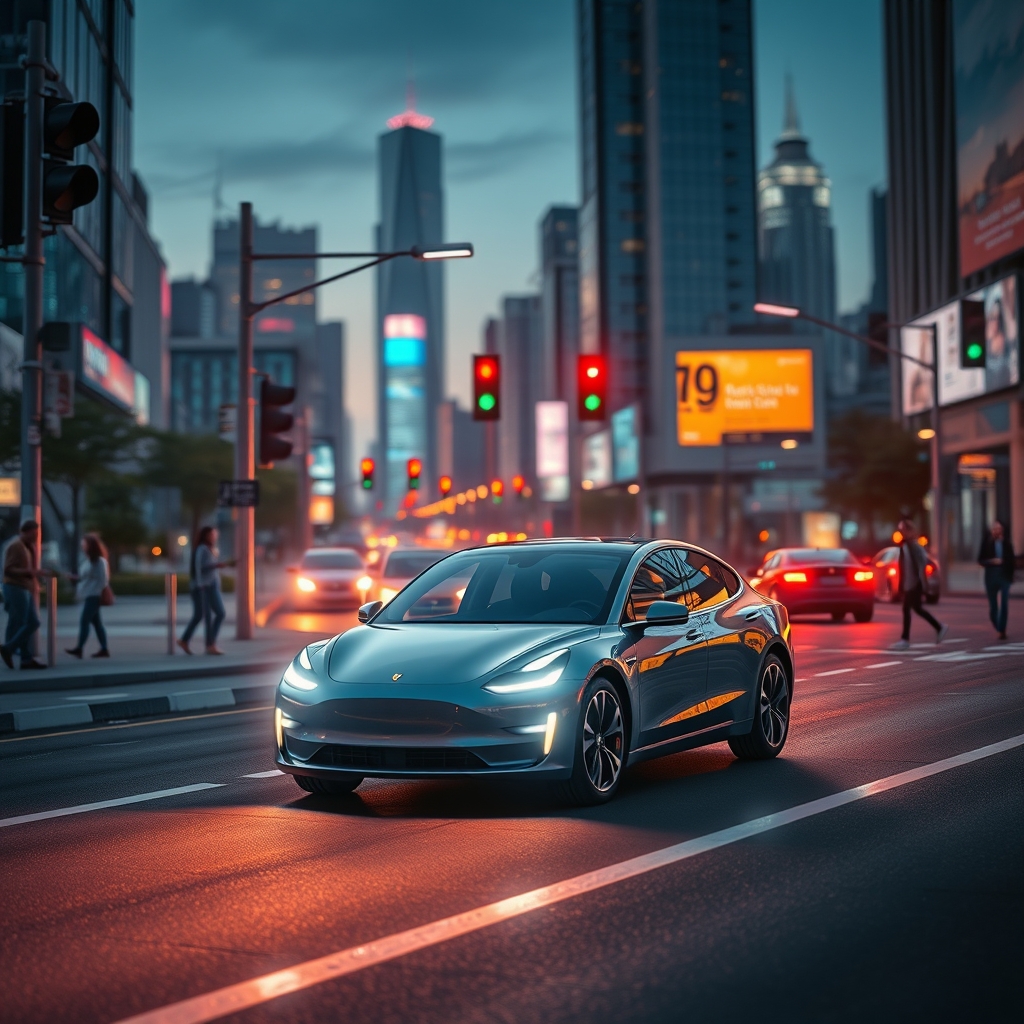
One of the most compelling applications of V2X communication is its potential to dramatically improve road safety. By enabling vehicles to share critical information—such as speed, position, and direction—V2X can help prevent collisions before they occur. For instance, a car approaching an intersection can receive alerts from other vehicles or traffic signals about potential hazards, such as a red-light runner or a pedestrian crossing unexpectedly. This proactive approach to safety could significantly reduce the number of accidents caused by human error, which accounts for over 90% of all road incidents.
Beyond collision avoidance, V2X communication can also enhance the effectiveness of Advanced Driver-Assistance Systems (ADAS). Features like adaptive cruise control, lane-keeping assist, and automatic emergency braking can be augmented with real-time data from other vehicles and infrastructure, making them more responsive and reliable. Imagine a scenario where your car adjusts its speed not just based on the vehicle in front of you, but also in anticipation of a traffic jam several miles ahead, thanks to data shared by other connected cars.
Efficiency and Traffic Management
V2X communication isn’t just about safety—it’s also a powerful tool for improving traffic flow and reducing congestion. By enabling vehicles to communicate with traffic lights, road sensors, and even parking systems, V2X can optimize routes, reduce idle time, and minimize fuel consumption. For example, traffic signals equipped with V2X technology can adjust their timing based on real-time traffic conditions, ensuring smoother flow and fewer stops. This not only saves time for drivers but also reduces emissions by cutting down on unnecessary idling.
In urban environments, V2X can also play a crucial role in managing parking. Connected vehicles can receive real-time updates on available parking spaces, guiding drivers directly to open spots and eliminating the need for aimless circling. This not only reduces frustration for drivers but also lowers emissions and eases congestion in busy city centers. Additionally, V2X can facilitate dynamic lane management, where lanes are repurposed based on traffic demand—such as converting a lane into a bus-only or carpool lane during peak hours.
The Role of Infrastructure
The success of V2X communication hinges on the development of smart infrastructure. Roads, traffic signals, and even streetlights must be equipped with sensors and communication devices to enable seamless interaction with vehicles. Governments and municipalities are increasingly investing in smart city initiatives that integrate V2X technology, recognizing its potential to transform urban mobility. For instance, cities like Columbus, Ohio, and Las Vegas, Nevada, have already begun deploying V2X-enabled infrastructure as part of pilot programs aimed at improving safety and efficiency.
However, the widespread adoption of V2X communication also presents challenges. The deployment of smart infrastructure requires significant investment, and there are concerns about data privacy and cybersecurity. Ensuring that the communication network is secure from hacking and unauthorized access is paramount, as any breach could have serious consequences for both safety and privacy. Additionally, there is a need for standardized protocols to ensure interoperability between different vehicles and infrastructure systems, regardless of the manufacturer or technology used.
The Future of V2X: Beyond the Horizon
As V2X communication continues to evolve, its applications are expected to expand far beyond safety and traffic management. One of the most exciting prospects is the integration of V2X with autonomous driving technology. Self-driving cars rely heavily on sensors and artificial intelligence to navigate the road, but V2X communication can provide an additional layer of data that enhances their decision-making capabilities. For example, an autonomous vehicle could receive information about road conditions, weather updates, or even the behavior of other drivers, allowing it to make more informed and safer decisions.
Another emerging application is the use of V2X for environmental monitoring. Connected vehicles can collect and share data on air quality, road conditions, and weather, providing valuable insights for urban planning and environmental management. This data can be used to identify pollution hotspots, optimize traffic flow to reduce emissions, and even predict and mitigate the impact of severe weather events.
For consumers, V2X communication promises a more personalized and convenient driving experience. Imagine a car that not only knows your preferred route to work but also adjusts its settings—such as climate control, seat position, and infotainment preferences—based on real-time data about traffic, weather, and your schedule. V2X could even enable new business models, such as dynamic insurance pricing based on driving behavior or pay-as-you-go access to premium features like priority lane access or reserved parking.
The journey toward a fully connected automotive ecosystem is still in its early stages, but the potential is undeniable. As V2X technology matures and becomes more widely adopted, it will reshape the way we think about transportation, blurring the lines between vehicles, infrastructure, and the digital world. The road ahead is not just about getting from point A to point B—it’s about creating a smarter, safer, and more efficient mobility experience that benefits everyone on the journey.
About the Author