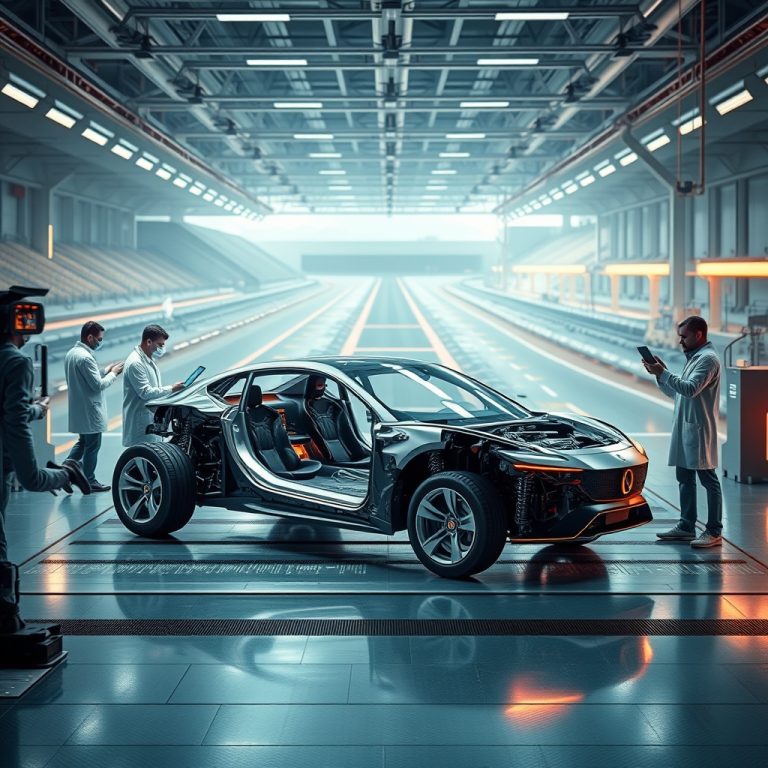

The automotive industry has always been a hotbed of innovation, where cutting-edge technology and engineering prowess collide to create machines that are faster, safer, and more efficient. While flashy features like autonomous driving and electric powertrains often steal the spotlight, there’s a world of unsung heroes working tirelessly under the hood. These are the advancements in materials science, thermal management, and aerodynamics that make modern vehicles not just possible, but exceptional. Without them, the cars we drive today would be mere shadows of their current selves.
The Evolution of Materials: Lighter, Stronger, Smarter
One of the most transformative shifts in automotive engineering has been the adoption of advanced materials. Gone are the days when steel was the only option for constructing a car’s body. Today, automakers are turning to high-strength steel, aluminum, carbon fiber, and even composites to reduce weight without compromising safety or performance. For instance, the use of aluminum in vehicles like the Ford F-150 has not only improved fuel efficiency but also enhanced durability, proving that lighter doesn’t have to mean weaker.
Carbon fiber, once reserved for high-end supercars, is now making its way into mainstream vehicles. Its unparalleled strength-to-weight ratio allows for greater design flexibility, enabling engineers to create structures that are both rigid and lightweight. This material is particularly crucial in electric vehicles (EVs), where every kilogram saved can extend the driving range. As battery technology continues to evolve, the role of advanced materials will only become more critical in balancing performance, efficiency, and sustainability.
The Role of Thermal Management in Performance and Longevity
Thermal management might not be the most glamorous aspect of automotive engineering, but it is one of the most vital. Whether it’s an internal combustion engine (ICE) or an electric motor, managing heat is essential for maintaining performance, efficiency, and longevity. In ICE vehicles, efficient cooling systems prevent overheating, which can lead to engine failure. Meanwhile, in EVs, thermal management is even more complex, as it involves regulating the temperature of both the battery pack and the electric motor.
Modern EVs use sophisticated liquid cooling systems to keep batteries within their optimal temperature range. This not only ensures consistent performance but also extends the lifespan of the battery. Companies like Tesla have pioneered advanced thermal management systems that allow their vehicles to operate efficiently in both extreme cold and heat. As the industry moves toward faster charging and higher energy densities, the importance of thermal management will only grow, making it a cornerstone of future automotive innovation.
Aerodynamics: The Silent Efficiency Booster
Aerodynamics might seem like a concern only for race cars or high-performance vehicles, but it plays a crucial role in the efficiency of everyday cars. Reducing drag isn’t just about going faster—it’s about improving fuel economy, reducing emissions, and enhancing stability at high speeds. Automakers invest heavily in wind tunnel testing and computational fluid dynamics (CFD) to refine the shape of their vehicles, ensuring that air flows smoothly over every surface.
Take, for example, the sleek design of the Tesla Model S or the Mercedes-Benz EQS. These vehicles aren’t just aesthetically pleasing; their shapes are meticulously crafted to minimize drag. Features like active grille shutters, underbody panels, and even the design of the side mirrors are all optimized to reduce air resistance. In the world of electric vehicles, where range is a key selling point, aerodynamics can make the difference between a good EV and a great one. Even small improvements in drag coefficient can translate to significant gains in efficiency, making aerodynamics a silent but powerful ally in the quest for better vehicles.
The Intersection of Innovation and Practicality
While it’s easy to get caught up in the excitement of autonomous driving or the latest infotainment systems, the true magic of modern automotive engineering lies in the details. The advancements in materials science, thermal management, and aerodynamics are what enable the headline-grabbing features to exist in the first place. They are the foundation upon which the future of mobility is being built, ensuring that vehicles are not only more capable but also more sustainable and reliable.
As we look ahead, the focus on these unsung heroes will only intensify. With the push toward electrification, the demand for lighter materials, better thermal management, and more efficient aerodynamics will grow. These innovations won’t just shape the cars of tomorrow—they’ll redefine what it means to drive, making every journey safer, smoother, and more enjoyable. The next time you get behind the wheel, take a moment to appreciate the invisible forces at work, quietly ensuring that your ride is nothing short of extraordinary.
About the Author