
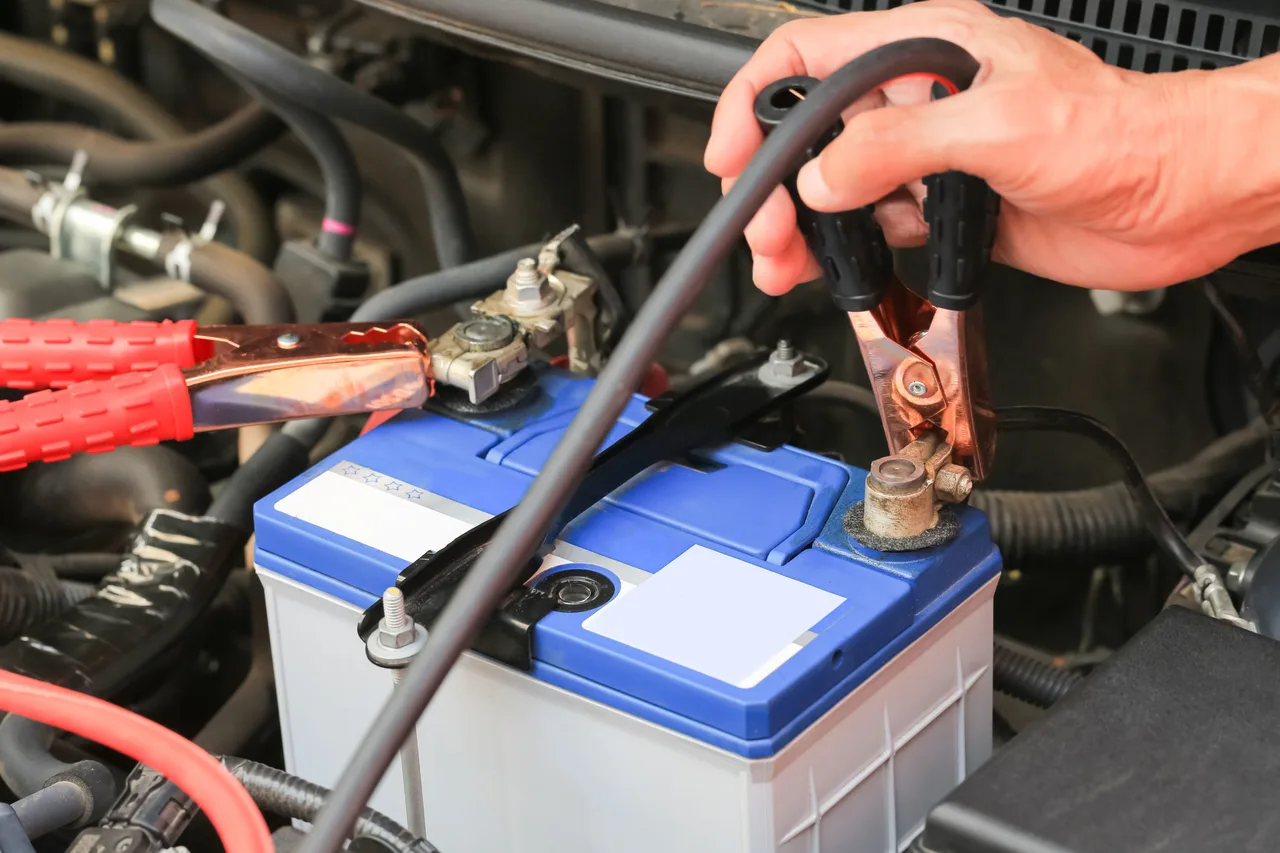
Automotive reliability begins with an often-overlooked component. Not the engine. Not the transmission. The battery. It is the silent enabler of ignition, electronics, safety systems, and increasingly, complex onboard computing. Selecting one of the best automotive batteries is not a trivial purchasing decision. It is a strategic investment in performance continuity and mechanical assurance.
A substandard battery degrades more than convenience. It undermines efficiency, stresses alternators, and introduces avoidable downtime. Conversely, a high-caliber unit delivers stable voltage, superior cold-cranking capability, and prolonged service life.
The difference is measurable. And significant.
Understanding Battery Architecture
Automotive batteries operate on electrochemical principles, converting chemical energy into electrical current through controlled redox reactions. While the premise appears elementary, modern battery engineering is anything but simplistic.
Three primary categories dominate the market:
- Flooded Lead Acid
- Absorbent Glass Mat AGM
- Lithium Ion variants for advanced applications
Each configuration exhibits distinct advantages and limitations. The decision matrix must account for climate, vehicle electronics, driving patterns, and budgetary constraints.
Choosing among the best automotive batteries demands technical literacy rather than impulse selection.
Flooded Lead Acid: Proven but Conventional
Flooded lead acid batteries represent the traditional baseline. They are cost-effective and widely compatible. Their design submerges lead plates in liquid electrolyte, facilitating reliable energy discharge for standard vehicles.
However, they are susceptible to sulfation if left partially discharged. They also require periodic maintenance in some configurations. In high-demand electrical environments—vehicles equipped with infotainment systems, driver-assist technologies, and multiple sensors—their longevity may be limited.
For older vehicles with modest energy loads, they remain viable. For modern systems, more advanced chemistries often outperform them.
AGM Batteries: Enhanced Durability and Output
Absorbent Glass Mat technology reconfigures internal architecture by immobilizing electrolyte within fiberglass separators. This innovation reduces spillage risk, enhances vibration resistance, and increases charge acceptance rates.
AGM batteries deliver higher cold cranking amps, abbreviated CCA, which is essential in colder climates where engine oil viscosity increases resistance during startup.
They also recharge more rapidly and exhibit lower self-discharge rates. For vehicles with start-stop systems, advanced driver assistance systems, and heavy accessory loads, AGM units frequently rank among the best automotive batteries available.
The upfront cost is higher. The lifecycle return often justifies the premium.
Lithium Ion: Lightweight and High Density
Lithium ion automotive batteries are gaining traction, particularly in performance and specialty applications. They offer remarkable energy density and significantly reduced weight compared to lead-based alternatives.
Weight reduction influences fuel economy and vehicle dynamics. For enthusiasts and performance-focused drivers, this advantage is compelling.
Yet lithium systems require advanced battery management systems to regulate temperature and voltage. They are sensitive to extreme cold. Cost remains a barrier for mainstream adoption.
Nevertheless, in select scenarios, lithium variants represent some of the best automotive batteries from a technological standpoint.
Key Performance Metrics
Selecting a battery without examining technical specifications is ill-advised. Several metrics deserve scrutiny.
Cold Cranking Amps CCA
CCA measures the battery’s ability to start an engine in freezing conditions. Higher values indicate superior starting performance under thermal stress.
Reserve Capacity RC
Reserve capacity quantifies how long the battery can sustain electrical systems if the alternator fails. A higher RC provides operational resilience.
Ampere Hours Ah
Ampere hours measure total energy storage. This metric becomes increasingly relevant in vehicles with heavy electronic loads.
Cycle Life
Cycle life indicates how many charge-discharge cycles the battery can endure before capacity degradation becomes significant.
The best automotive batteries excel across these parameters, balancing immediate power with sustained endurance.
Climate Considerations
Environmental conditions exert profound influence on battery performance.
Cold climates increase internal resistance and thicken engine oil, demanding higher starting current. High CCA ratings become essential.
Hot climates accelerate electrolyte evaporation and internal corrosion. Heat, not cold, is often the primary cause of battery failure in warmer regions.
Thus, the optimal choice is not universal. It is geographically contingent.
Vehicle Electrical Complexity
Modern vehicles resemble mobile data centers. Infotainment displays, radar sensors, cameras, adaptive lighting systems, and telematics modules draw continuous current.
Start-stop technology further intensifies battery demands by cycling the engine repeatedly in urban driving conditions.
Standard batteries struggle under such cyclic stress. AGM variants or enhanced flooded batteries EFB are typically better suited for these applications.
Selecting from the best automotive batteries ensures compatibility with contemporary electrical architectures.
Brand Reputation and Manufacturing Quality
Battery performance is not solely determined by chemistry. Manufacturing precision matters.
Plate density, separator quality, and internal weld integrity influence durability. Reputable manufacturers invest heavily in quality control protocols and material refinement.
Consumers should evaluate warranty terms as well. Extended warranties often signal manufacturer confidence in product longevity.
The market is saturated with options. Only a subset genuinely qualifies as the best automotive batteries when subjected to rigorous evaluation.
Maintenance and Longevity Practices
Even premium batteries degrade prematurely without proper maintenance.
Regular voltage testing identifies early signs of deterioration. Terminal corrosion should be cleaned to ensure optimal conductivity. Vehicles driven infrequently benefit from battery maintainers or trickle chargers to prevent deep discharge cycles.
Driving patterns also matter. Short trips prevent full recharge cycles, accelerating wear.
A superior battery, properly maintained, can exceed expected lifespan benchmarks by several years.
Signs of Impending Failure
Battery degradation manifests gradually.
Slow engine cranking is often the first symptom. Dimming headlights at idle may follow. Electronic malfunctions, such as erratic infotainment resets, can also indicate voltage instability.
Ignoring these signals risks unexpected breakdowns. Proactive replacement, guided by diagnostic testing, preserves reliability.
Investing in one of the best automotive batteries minimizes such disruptions.
Sustainability and Recycling
Lead acid batteries are among the most recycled consumer products globally. Recycling processes reclaim lead and plastic components, reducing environmental impact.
Lithium technologies introduce new recycling challenges, but advancements in material recovery are progressing.
Environmental considerations increasingly influence purchasing decisions. Sustainable manufacturing and responsible disposal practices are becoming differentiators in the battery market.
Cost Versus Value
Price sensitivity is understandable. However, focusing solely on upfront cost is shortsighted.
A cheaper battery that fails prematurely incurs towing expenses, replacement labor, and lost time. In contrast, a higher-quality battery distributes its cost over a longer service interval.
When amortized across years of dependable performance, the best automotive batteries frequently offer superior value.
Reliability carries economic weight.
Emerging Innovations
Battery innovation continues to evolve. Enhanced plate alloys improve corrosion resistance. Carbon additives reduce sulfation. Smart batteries integrate sensors that communicate health data to vehicle management systems.
As electrification expands, auxiliary 12-volt batteries remain essential even in fully electric vehicles. Their role persists, albeit within evolving architectures.
The pursuit of efficiency and durability is relentless. So is technological advancement.
The automotive battery is a deceptively modest component with disproportionate importance. It initiates ignition, stabilizes voltage, and sustains the intricate electronic ecosystems that define modern mobility.
Choosing from the best automotive batteries requires analytical assessment of chemistry, performance metrics, climate compatibility, and vehicle requirements. It is not a peripheral decision. It is foundational.
Performance longevity stems from informed selection and disciplined maintenance. With the right battery, engines start without hesitation. Systems operate without interruption. Confidence endures.
In the architecture of automotive reliability, the battery is not ancillary. It is indispensable.
About the Author