
Owning a vehicle is a privilege that comes with responsibility. A car represents not only a significant financial investment but also a critical tool for mobility, convenience, and daily efficiency. Ensuring its longevity, safety, and optimal performance requires consistent attention to detail, meticulous care, and adherence to best practices. Implementing a structured regimen of Car Maintenance Tips allows owners to mitigate costly repairs, prevent unexpected breakdowns, and maintain resale value, all while ensuring peak operational efficiency.
Establishing a Routine Maintenance Schedule
A proactive approach to vehicle care begins with a systematic maintenance schedule. Regular inspections and timely servicing minimize wear and tear, ensuring that potential issues are identified before they escalate into costly repairs.
Car Maintenance Tips recommend adhering to manufacturer-specified intervals for oil changes, tire rotations, brake inspections, and fluid top-ups. Maintaining a comprehensive log of service history provides both operational clarity and enhances the vehicle’s resale value by demonstrating consistent upkeep.
Engine Oil and Fluid Management
Engine oil serves as the lifeblood of a car’s mechanical system. It lubricates components, reduces friction, and prevents overheating. Neglecting oil changes can accelerate engine wear and compromise efficiency.
Equally important is monitoring and maintaining other vital fluids, including transmission, brake, coolant, power steering, and windshield washer fluids. Strategic application of Car Maintenance Tips involves not only regular top-ups but also periodic fluid replacement to maintain viscosity, prevent corrosion, and optimize overall mechanical performance.
Tire Health and Alignment
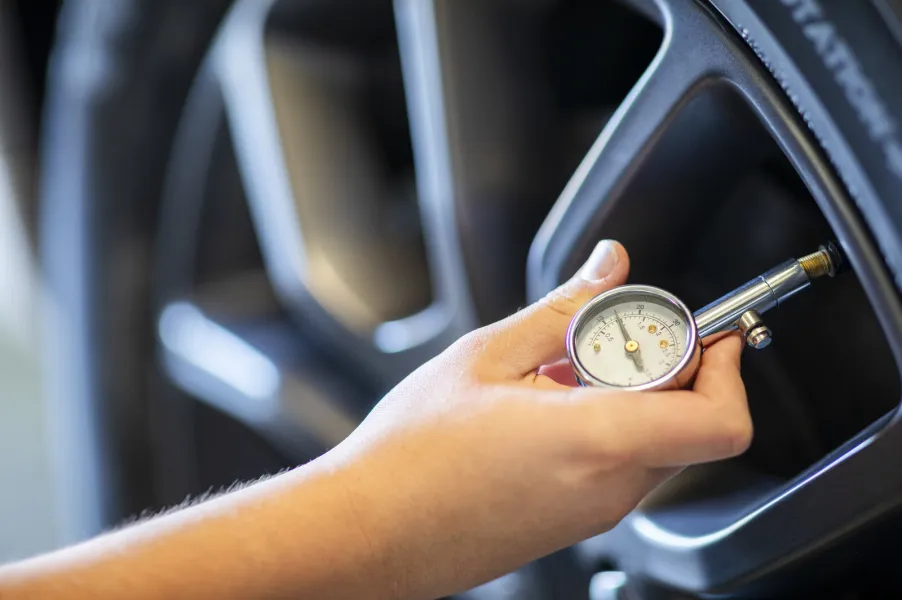
Tires are the sole interface between the vehicle and the road, directly affecting handling, fuel efficiency, and safety. Proper inflation, tread depth, and alignment are critical for optimal performance.
Car Maintenance Tips emphasize the importance of routine tire pressure checks, rotation, balancing, and alignment adjustments. Regular inspection for wear patterns or damage ensures even tread distribution, reduces the risk of blowouts, and enhances both driving stability and fuel economy.
Brake System Integrity
The braking system is integral to vehicle safety, necessitating meticulous attention. Brake pads, rotors, calipers, and hydraulic components must be evaluated regularly to ensure responsiveness and reliability.
Effective Car Maintenance Tips include periodic inspections for pad thickness, rotor wear, fluid contamination, and audible warning signs such as squealing or grinding. Proactive brake maintenance prevents catastrophic failure and ensures consistent stopping power in varied driving conditions.
Battery and Electrical System Maintenance
The battery powers ignition and critical electronic systems. A deteriorating or poorly maintained battery can lead to starting failures, electrical malfunctions, or complete immobilization.
Car Maintenance Tips recommend checking battery terminals for corrosion, testing charge capacity, and replacing batteries according to manufacturer guidelines. Additionally, regular inspection of alternators, fuses, and wiring ensures the stability and reliability of the entire electrical system, preventing unexpected disruptions.
Air Filter and Engine Performance
Air quality directly affects combustion efficiency. Clogged or deteriorated air filters reduce airflow, compromise engine performance, and increase fuel consumption.
Integrating Car Maintenance Tips involves inspecting air filters at regular intervals and replacing them as needed. This simple yet effective measure enhances acceleration, fuel efficiency, and emissions performance, contributing to both environmental responsibility and mechanical longevity.
Cooling System and Radiator Care
An efficient cooling system prevents overheating and maintains optimal engine temperature. Radiators, hoses, and coolant levels require consistent monitoring.
Strategic Car Maintenance Tips advocate flushing the cooling system, inspecting for leaks, and verifying thermostat functionality. Maintaining a balanced coolant mixture prevents corrosion, minimizes the risk of engine failure, and extends component lifespan.
Transmission and Gearbox Oversight
Transmission systems facilitate power transfer from the engine to the wheels. Proper lubrication, fluid quality, and mechanical integrity are paramount for smooth operation.
Car Maintenance Tips recommend periodic fluid checks, timely replacement, and attentiveness to symptoms such as delayed shifting, unusual noises, or fluid leakage. Maintaining the transmission preserves drivetrain efficiency, prevents catastrophic damage, and prolongs the overall functional lifespan of the vehicle.
Suspension and Steering Dynamics
Suspension and steering systems govern ride quality, handling, and vehicle stability. Worn shocks, struts, or bushings compromise control and safety.
Incorporating Car Maintenance Tips, vehicle owners should schedule regular inspections of suspension components, monitor for uneven tire wear, and test for responsiveness in steering mechanisms. Properly maintained systems reduce driver fatigue, improve handling, and mitigate wear on interconnected components.
Exterior and Interior Care
Aesthetic preservation contributes to both value retention and personal satisfaction. Routine cleaning, waxing, and protection against environmental factors prevent rust, fading, and degradation.
Car Maintenance Tips include washing to remove contaminants, applying protective coatings, and conditioning leather or fabric interiors. Attention to trim, seals, and weather stripping ensures both visual appeal and functional integrity, enhancing comfort and durability.
Fuel System Optimization
The fuel system—including injectors, filters, and pumps—affects engine efficiency and emissions. Deposits and blockages reduce performance and increase operational costs.
Adhering to Car Maintenance Tips, owners should utilize high-quality fuels, perform injector cleaning, and replace fuel filters at prescribed intervals. Maintaining fuel system integrity ensures smooth combustion, optimal power output, and reduced environmental impact.
Exhaust System and Emissions Control
The exhaust system mitigates harmful emissions and regulates noise levels. Rust, leaks, or catalytic converter issues can compromise performance and violate regulatory standards.
Car Maintenance Tips involve periodic inspection of exhaust pipes, mufflers, and catalytic converters. Ensuring proper function supports environmental compliance, maintains vehicle efficiency, and reduces exposure to toxic gases.
Seasonal and Environmental Considerations
Weather conditions exert significant influence on vehicle maintenance. Cold climates necessitate antifreeze management, battery monitoring, and winter tire deployment, while hot conditions demand vigilance regarding cooling systems, tire pressure, and sun exposure.
Integrating Car Maintenance Tips into seasonal routines enables proactive adaptation, minimizing environmental stressors and preserving vehicle integrity. Tailoring care practices to climatic conditions reduces wear and prevents costly repairs associated with neglect.
Diagnostic Tools and Professional Services
Modern vehicles incorporate complex electronic systems that require specialized diagnostic tools for accurate assessment. Engine management, safety systems, and sensor networks benefit from professional evaluation.
Strategic Car Maintenance Tips recommend periodic professional inspections alongside DIY assessments. Combining expert insight with routine monitoring ensures comprehensive care, early detection of anomalies, and informed decision-making regarding repairs or upgrades.
Documentation and Record-Keeping
Maintaining detailed service records enhances transparency, accountability, and resale value. Documentation should include dates of service, parts replaced, and mileage at service intervals.
Car Maintenance Tips underscore the importance of organized records for warranty claims, insurance purposes, and future maintenance planning. Comprehensive logs facilitate predictive maintenance and provide an empirical foundation for decision-making, ensuring continuity in care.
Effective vehicle stewardship requires diligence, foresight, and adherence to best practices. Implementing structured Car Maintenance Tips encompasses engine care, fluid management, tire and brake monitoring, electrical system oversight, suspension integrity, and aesthetic preservation.
By adopting a methodical approach to maintenance, vehicle owners enhance operational efficiency, mitigate safety risks, reduce long-term costs, and preserve both mechanical and aesthetic value. From preventive care to professional diagnostics, a commitment to systematic maintenance transforms the driving experience, ensuring reliability, safety, and sustained performance. Proper vehicle management is not merely a practical necessity; it is a strategic investment in longevity, efficiency, and the overall enjoyment of automotive ownership.
About the Author