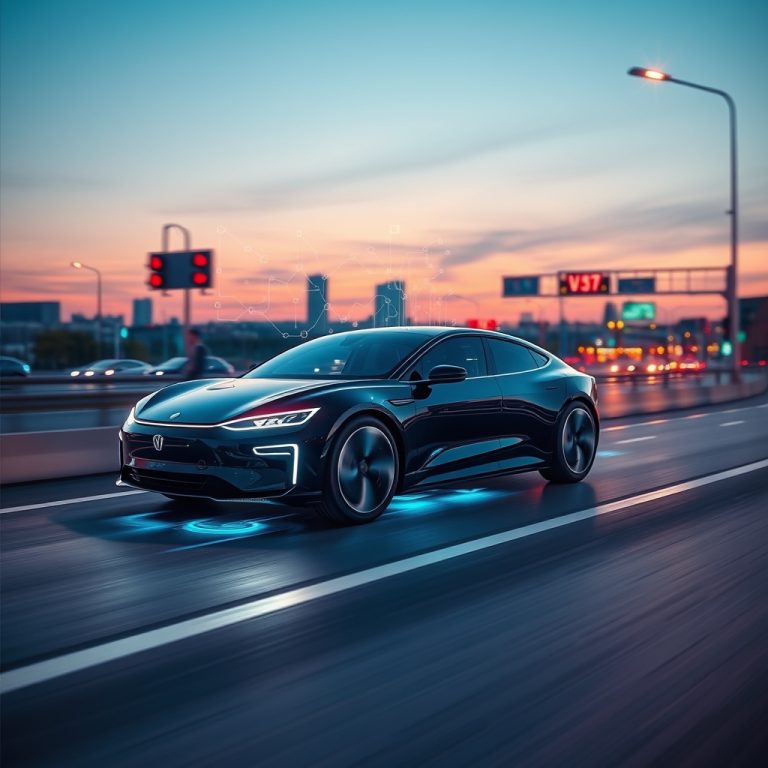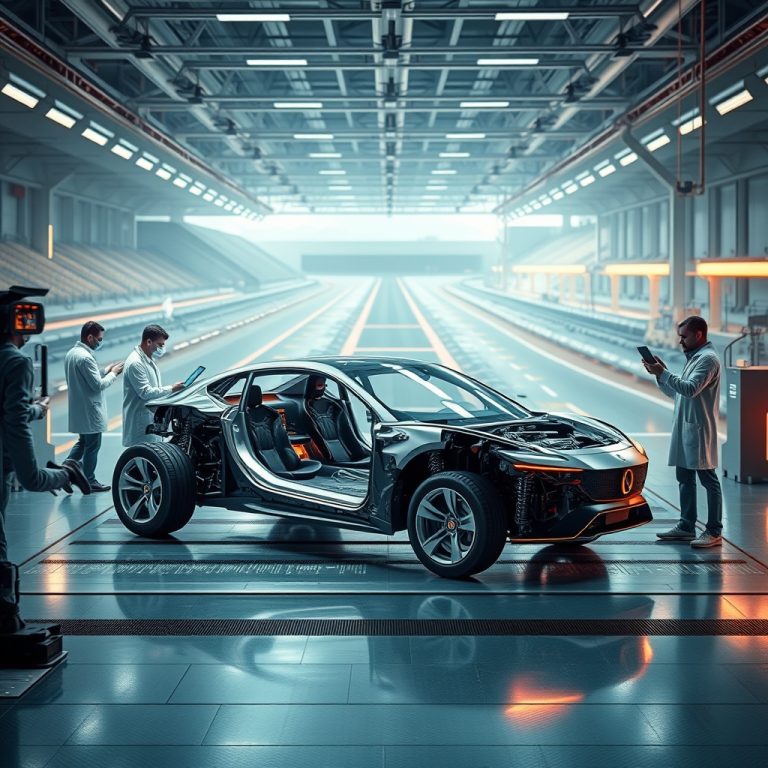

Modern transportation is no longer defined merely by engines, wheels, or speed. A revolution is underway—one that fuses intelligence, automation, and communication. At the center of this revolution is connected car technology.
This is not just about luxury or convenience. It’s a seismic shift in how vehicles interact with drivers, infrastructure, and even other vehicles. It represents the future of mobility, built on the backbone of data, networks, and embedded intelligence.
What Is Connected Car Technology?
Connected car technology refers to vehicles equipped with internet access, sensors, and interfaces that allow them to communicate with their surroundings. This includes connectivity with:
-
The cloud
-
Other vehicles (V2V)
-
Road infrastructure (V2I)
-
Mobile devices
-
Emergency services
-
The driver and passengers through smart interfaces
It’s a paradigm where the car becomes an intelligent, autonomous node in a much larger network—a rolling data center that responds, learns, and interacts in real-time.
Core Components of Connected Car Systems
Understanding the foundation of connected car technology requires looking into its layered architecture:
1. Telematics Control Unit (TCU)
This is the central hub inside the car that connects to cellular networks, GPS satellites, and cloud services. It enables remote diagnostics, real-time navigation, over-the-air updates, and more.
2. Vehicle-to-Everything (V2X) Communication
V2X covers several critical connectivity categories:
-
V2V: Vehicle-to-vehicle communication
-
V2I: Vehicle-to-infrastructure
-
V2P: Vehicle-to-pedestrian
-
V2C: Vehicle-to-cloud
-
V2N: Vehicle-to-network
Together, these technologies form a digital ecosystem where your car is never alone on the road.
3. Embedded Sensors
Modern cars are embedded with dozens—sometimes hundreds—of sensors that monitor tire pressure, engine health, speed, road conditions, and even driver fatigue. These sensors are essential for real-time decision-making and autonomous functionality.
4. Infotainment Systems
Beyond safety and diagnostics, connected car technology also enhances user experience through intelligent infotainment systems. These can offer voice controls, personalized content, real-time traffic updates, and seamless phone integration.
Practical Applications and Everyday Use
The beauty of connected car technology lies in its practical implications. This isn’t science fiction—millions of vehicles are already on the road equipped with features that would have been unimaginable a decade ago.
Predictive Maintenance
Gone are the days of unexpected breakdowns. Connected cars continuously monitor mechanical health. They alert drivers about potential issues, sometimes even before symptoms appear, and schedule maintenance with a service center automatically.
Real-Time Navigation and Traffic Updates
Using GPS and cloud data, vehicles can avoid traffic congestion, reroute based on accidents or roadblocks, and suggest the most fuel-efficient path.
Emergency Response
In the event of a collision, the car can automatically notify emergency services, provide exact GPS coordinates, and even relay the severity of impact.
Remote Access and Vehicle Control
From a smartphone app, drivers can:
-
Start the engine
-
Preheat or cool the cabin
-
Lock/unlock doors
-
Locate the vehicle
-
Monitor driving behavior in real-time
These features are invaluable for both convenience and security.
Vehicle-to-Vehicle (V2V) and Infrastructure Communication
The most transformative aspect of connected car technology is V2V and V2I communication.
Imagine this scenario: your car knows about a collision two miles ahead, because another vehicle transmitted the data wirelessly. You’re warned in advance. You slow down or reroute.
Similarly, traffic lights equipped with smart sensors can communicate with your vehicle, optimizing the green light timing based on flow and density. Parking garages can transmit space availability to vehicles approaching from a distance.
These aren’t just conveniences—they’re life-saving features.
The Role of 5G in Connected Mobility
To achieve real-time, high-speed data transfer, connected car technology relies heavily on next-gen mobile networks—especially 5G.
Why 5G Matters:
-
Ultra-low latency (important for autonomous vehicles)
-
Massive bandwidth (to handle the data generated by sensors and cameras)
-
High device density (critical in urban areas with many connected cars)
With 5G, cars can download maps, traffic data, and even entire software updates in seconds. More importantly, they can react faster—communicating with other road users and infrastructure in real time.
Autonomous Driving and Connected Technology
While connected car technology and autonomous vehicles are different concepts, they’re deeply intertwined.
Connectivity empowers autonomy.
An autonomous car, without real-time data about traffic, weather, or road conditions, is like a blindfolded pilot. Connected technology provides the vehicle with situational awareness far beyond its line of sight—creating a virtual extension of its senses.
This connection enables vehicles to make smarter decisions, predict driver behavior, and adapt dynamically to the environment.
Challenges in Implementation
Despite the clear benefits, implementing connected car technology comes with significant challenges.
Cybersecurity Risks
As vehicles become more like computers, they become targets for hackers. Potential threats include:
-
Unauthorized vehicle control
-
Data theft
-
Malware in vehicle software
-
Remote disabling of essential functions
Manufacturers must adopt rigorous cybersecurity protocols and encryption standards to protect users.
Privacy Concerns
Cars today gather a staggering amount of personal data:
-
Driving habits
-
Location history
-
Contacts and call logs
-
Voice recordings
Consumers must be informed about what data is collected, how it’s stored, and who has access to it.
Infrastructure Limitations
In many regions, especially in developing nations, the infrastructure needed for full V2X deployment is lacking. Roadside units, sensors, and smart intersections require heavy investment.
Environmental and Urban Benefits
In addition to personal benefits, connected car technology can also reduce environmental impact and improve urban living.
Reduced Emissions
By optimizing routes and minimizing idling, connected cars contribute to lower fuel consumption and reduced CO2 emissions.
Smarter Traffic Flow
When vehicles communicate with one another and with city infrastructure, traffic congestion decreases. This means less time stuck in traffic, and smoother commutes.
Shared Mobility Services
Ride-sharing platforms benefit tremendously from vehicle connectivity. Real-time location tracking, dynamic pricing, and optimized dispatching improve service and sustainability.
Over-the-Air (OTA) Updates
One of the most impactful aspects of connected car technology is its ability to evolve.
Manufacturers no longer need to recall vehicles for software improvements. Instead, they can push updates wirelessly—fixing bugs, improving performance, and adding new features.
Tesla pioneered this model, but many other automakers have adopted OTA updates as a standard practice.
This not only reduces service costs but also extends the lifecycle of the vehicle, keeping it relevant and modern without a trip to the dealership.
Insurance and Connected Vehicles
Insurers are taking notice of connected cars, using data to offer usage-based policies. This model, often called “pay-how-you-drive,” assesses risk based on:
-
Braking behavior
-
Speed consistency
-
Time of day the car is used
-
Frequency of travel
This can reward safe drivers with lower premiums while encouraging better driving habits across the board.
The Future of Connected Cars
We’re still in the early stages of the connected revolution, but the direction is clear.
What to Expect in the Coming Years:
-
Universal V2X Infrastructure: As more cities modernize, we’ll see widespread deployment of smart intersections and connected roadways.
-
AI-Driven Ecosystems: Vehicles will leverage artificial intelligence for predictive behavior, voice-based control, and traffic forecasting.
-
Blockchain for Data Integrity: Decentralized technologies will ensure secure and tamper-proof transmission of vehicle data.
-
Cloud-First Architecture: Cars will offload computing to cloud servers, making vehicles lighter, faster, and more updatable.
-
Seamless Inter-vehicle Communication: Convoy driving, where vehicles travel in automated clusters, will reduce drag and boost efficiency.
Industrial and Commercial Impacts
Beyond personal transportation, connected car technology is revolutionizing entire industries.
Logistics and Fleet Management
Fleet operators can now track each vehicle in real-time, monitor engine diagnostics, enforce speed limits, and schedule predictive maintenance. This leads to reduced downtime, increased safety, and improved profitability.
Emergency Services
Ambulances and fire trucks can connect with traffic systems to get green light priority. Hospitals can receive patient data en route, saving crucial seconds.
Public Transport Optimization
Buses and trains can adapt routes dynamically based on real-time demand, traffic, and delays.
Connected car technology isn’t just about making cars smarter. It’s about building an integrated, intelligent transportation ecosystem that benefits individuals, cities, and the environment alike.
It reshapes our relationship with mobility—offering convenience, security, and efficiency at a level never before possible. But it also demands responsibility: from manufacturers to secure their platforms, from governments to build smart infrastructure, and from drivers to engage consciously with the technology.
As connectivity becomes the new standard, every vehicle will be more than a machine. It will be a partner. A guide. A guardian.
And perhaps most importantly—it will be a window into the mobility of tomorrow.
About the Author