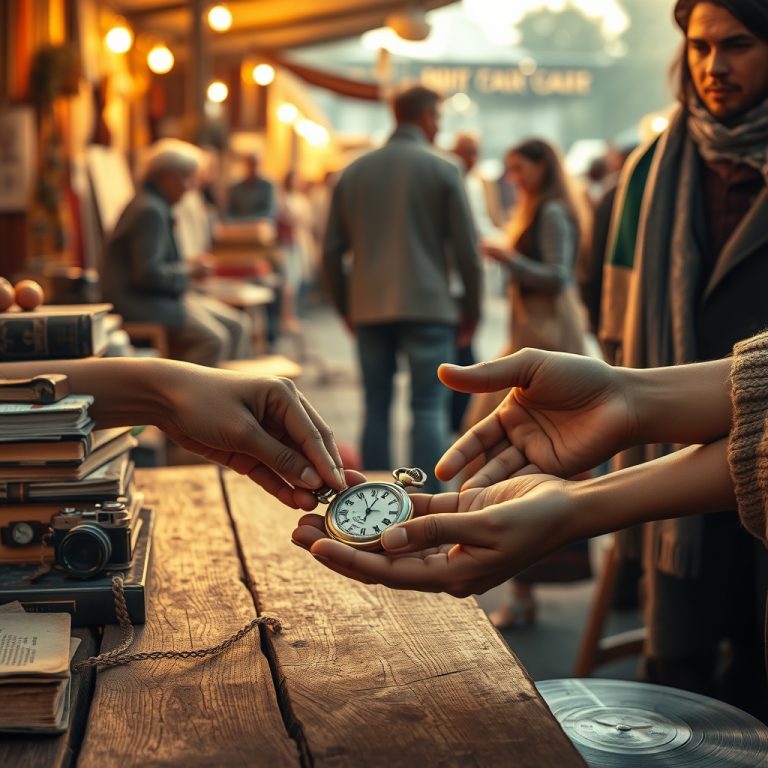

There is a quiet revolution unfolding in the way we perceive our possessions—not as anchors, but as vessels of potential. The act of choosing to sell and trade-in is more than a transaction; it is an unspoken pact with time, a recognition that value is not static, but fluid, alive, and ever-evolving. In a world obsessed with acquisition, the decision to release what no longer serves us becomes an act of courage, a whisper to the universe that we are ready for what comes next.
The Hidden Poetry of Letting Go
Every object we own carries a story—faint echoes of laughter, the weight of forgotten dreams, or the quiet pride of a milestone achieved. When we decide to part with something, we are not just clearing shelf space; we are editing the narrative of our lives. The process of trading in an old guitar, a well-loved novel, or a piece of jewelry is not about loss, but about making room for new melodies, untold stories, and uncharted chapters.
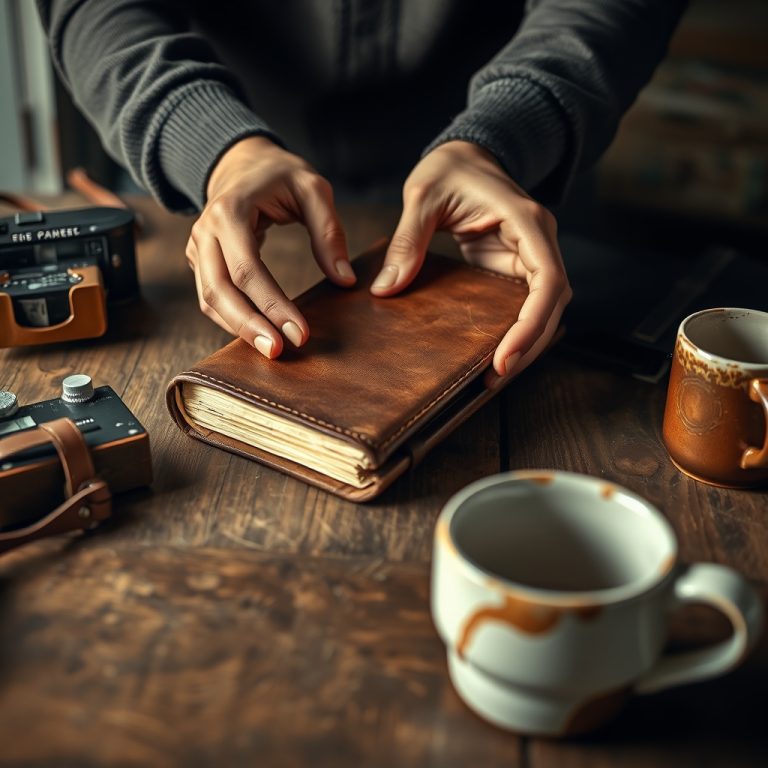
Consider the vintage camera gathering dust in your closet. It once captured moments of joy, but now it sits in silence. Yet, in the hands of someone else, it could frame a thousand new memories. This is the beauty of the sell and trade-in economy: it transforms stagnation into possibility, turning the overlooked into the cherished once more.
The Alchemy of Exchange: More Than Just Money
At its core, the decision to sell or trade-in is not solely about financial gain. It is an exchange of energy—a silent conversation between past and future. The money we receive is merely a byproduct of a deeper transaction: the liberation of space, both physical and emotional. When we release an item, we are not just gaining funds; we are reclaiming a piece of ourselves that was tied to it.
Think of the college student trading in textbooks at the end of a semester. The books may be worth a fraction of their original price, but the real value lies in the mental clarity that comes from shedding the weight of the past. It is a ritual of closure, a way to honor the journey while stepping lightly into the next phase of life.
Navigating the Emotional Landscape of Trade-Ins
The hesitation we feel before parting with an item is not just about its monetary worth. It is the fear of regret, the worry that we might one day miss what we once took for granted. But what if the act of trading in is not about saying goodbye, but about saying, “I am ready for what’s next”? What if it is less about loss and more about trust—trust in our ability to adapt, to grow, and to welcome the unknown?
There is a certain grace in recognizing that our attachments to objects are often proxies for our attachments to moments, people, or versions of ourselves. When we sell and trade-in, we are not erasing those connections; we are acknowledging that their essence lives beyond the physical. The wedding dress you traded in didn’t carry your love—it was merely a vessel for it. The love remains, even as the dress finds a new home.
The Ripple Effect of Conscious Exchange
Every time we choose to trade in or sell an item, we participate in a larger ecosystem of sustainability and renewal. The smartphone you no longer use could become someone’s first step into the digital world. The baby clothes your child outgrew might warm another little one on a chilly night. This is the silent economy of second chances—a cycle where value is not diminished but redistributed, where nothing is truly discarded, only repurposed.
In this way, the sell and trade-in process becomes an act of generosity. It is a way to extend the lifespan of our possessions, to reduce waste, and to foster a culture of mindful consumption. When we engage in this cycle, we are not just decluttering; we are contributing to a world where resources are honored, not squandered.
The Art of Choosing What Stays and What Goes
Not every item is meant to be kept, and not every trade-in is about necessity. Sometimes, it is about desire—the desire for simplicity, for clarity, or for the thrill of the new. The key lies in asking ourselves not just, “What can I get for this?” but “What will I gain by letting this go?” Will it free up space in my home? Will it ease the weight of my responsibilities? Will it allow me to invest in something that aligns more closely with who I am becoming?
The answers to these questions are deeply personal, but they all lead to the same truth: the act of selling and trading in is not about deprivation. It is about intention. It is about curating a life that reflects our values, our aspirations, and our willingness to embrace change.
When the Past Paves the Way for the Future
There is a peculiar magic in the moment when an old possession funds a new dream. The camera you sold might help someone else capture their first sunrise. The proceeds from your trade-in could become the seed money for a passion project, a much-needed vacation, or an investment in your future. In this way, the sell and trade-in</ process becomes a bridge between what was and what could be—a tangible reminder that our past does not have to limit our future, but can instead propel it forward.
So the next time you hesitate before letting go of something, ask yourself: What story does this item tell about who I was, and what story could it help someone else write? The answer might just be the permission you need to take the leap. After all, the most beautiful exchanges are not the ones that leave us empty-handed, but the ones that leave us open-hearted, ready to receive what comes next.
About the Author