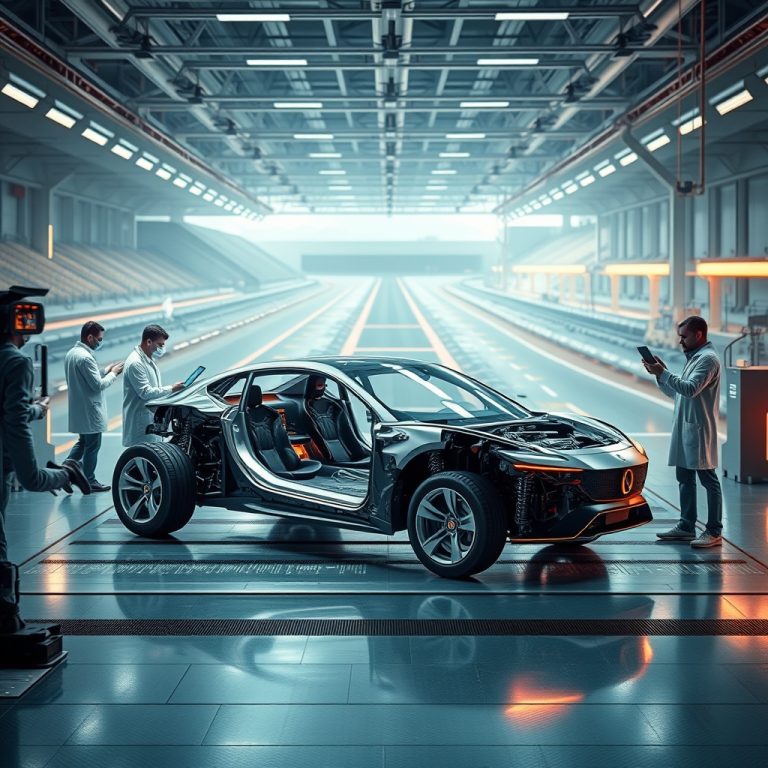

Imagine sliding into a car that not only looks sleek but also heals its own scratches, adjusts its aerodynamics in real-time, and even generates electricity from sunlight. This isn’t science fiction—it’s the next frontier of automotive innovation, where smart materials are transforming how vehicles are designed, built, and driven. From self-healing paint to shape-memory alloys, these cutting-edge advancements are pushing the boundaries of performance, efficiency, and sustainability.
The Rise of Smart Materials in the Automotive Industry
The automotive sector has always been a hotbed for innovation, but the integration of smart materials is taking it to an entirely new level. Unlike traditional materials like steel or aluminum, smart materials can respond to external stimuli—such as temperature, stress, or electrical currents—to change their properties. This adaptability makes them invaluable for enhancing vehicle performance, safety, and longevity.
One of the most promising developments is the use of self-healing polymers. These materials can repair minor scratches and dents autonomously, reducing the need for costly touch-ups and extending the lifespan of a vehicle’s exterior. Companies like Nissan and BMW are already experimenting with these coatings, which could soon become a standard feature in luxury and mainstream models alike.
Another game-changer is piezoelectric materials, which convert mechanical stress into electrical energy. Imagine a car that harvests energy from road vibrations or braking to power its onboard systems. This technology not only improves fuel efficiency but also reduces reliance on traditional batteries, making it a key player in the shift toward sustainable automotive solutions.
How Smart Materials Enhance Vehicle Performance and Safety
Performance and safety have always been top priorities in automotive engineering, and smart materials are elevating both to unprecedented levels. For instance, shape-memory alloys (SMAs) can “remember” their original shape and return to it when heated. This property is being leveraged to create adaptive aerodynamics, where components like spoilers or air vents adjust automatically to optimize airflow and reduce drag.
In the realm of safety, magnetorheological (MR) fluids are making waves. These fluids change viscosity in response to magnetic fields, allowing for real-time adjustments in suspension systems. The result? A smoother ride on rough roads and enhanced stability during high-speed maneuvers. Brands like Audi and Porsche are already incorporating MR fluid-based dampers into their high-performance models, setting a new standard for driving dynamics.
Additionally, thermochromic materials are being used to create adaptive windows that tint automatically in response to sunlight. This not only improves passenger comfort but also reduces the load on air conditioning systems, further boosting fuel efficiency. As these technologies mature, they’re poised to become essential features in next-generation vehicles.
The Role of Smart Materials in Sustainability and Efficiency
The push for sustainability is reshaping the automotive industry, and smart materials are at the forefront of this transformation. Lightweight composites, such as carbon fiber reinforced polymers (CFRP), are already reducing vehicle weight without compromising strength. However, the next evolution lies in bio-based smart materials, which are derived from renewable resources like algae or plant fibers.
For example, researchers are developing biodegradable polymers that can replace traditional plastics in interior components. These materials not only reduce environmental impact but also offer unique properties like enhanced durability and resistance to wear. Similarly, graphene-based materials are being explored for their exceptional strength-to-weight ratio, which could revolutionize everything from battery technology to structural components.
Energy efficiency is another area where smart materials shine. Phase-change materials (PCMs) can absorb and release thermal energy, helping to regulate cabin temperatures without relying heavily on HVAC systems. This not only improves comfort but also extends the range of electric vehicles by reducing energy consumption. As the automotive industry continues to prioritize sustainability, these innovations will play a crucial role in shaping a greener future.
Challenges and the Road Ahead for Smart Materials
While the potential of smart materials in the automotive sector is immense, several challenges must be addressed before they become mainstream. Cost remains a significant barrier, as many of these materials are still in the experimental or early adoption phase. However, as production scales up and manufacturing processes become more efficient, prices are expected to drop, making them more accessible to automakers and consumers alike.
Durability and reliability are also critical concerns. Smart materials must withstand the harsh conditions of daily driving—from extreme temperatures to road debris—without degrading. Extensive testing and refinement are necessary to ensure these materials meet the rigorous standards of the automotive industry. Collaborations between automakers, material scientists, and technology providers will be key to overcoming these hurdles.
Looking ahead, the integration of smart materials with other emerging technologies—such as artificial intelligence and the Internet of Things (IoT)—will unlock even greater possibilities. For instance, AI-driven systems could analyze real-time data from smart sensors embedded in materials to predict maintenance needs or optimize performance. This synergy will not only enhance the driving experience but also pave the way for fully autonomous vehicles.
Embracing the Future of Automotive Innovation
The automotive industry is on the cusp of a revolution, driven by the transformative potential of smart materials. From self-healing exteriors to energy-harvesting components, these innovations are redefining what’s possible in vehicle design, performance, and sustainability. As automakers continue to push the boundaries of technology, drivers can look forward to cars that are not only smarter and safer but also more efficient and environmentally friendly.
For those eager to stay ahead of the curve, keeping an eye on advancements in smart materials is a must. Whether you’re a car enthusiast, a tech-savvy consumer, or an industry professional, understanding these trends will give you a glimpse into the future of mobility—and the exciting possibilities that lie just around the bend.
About the Author