
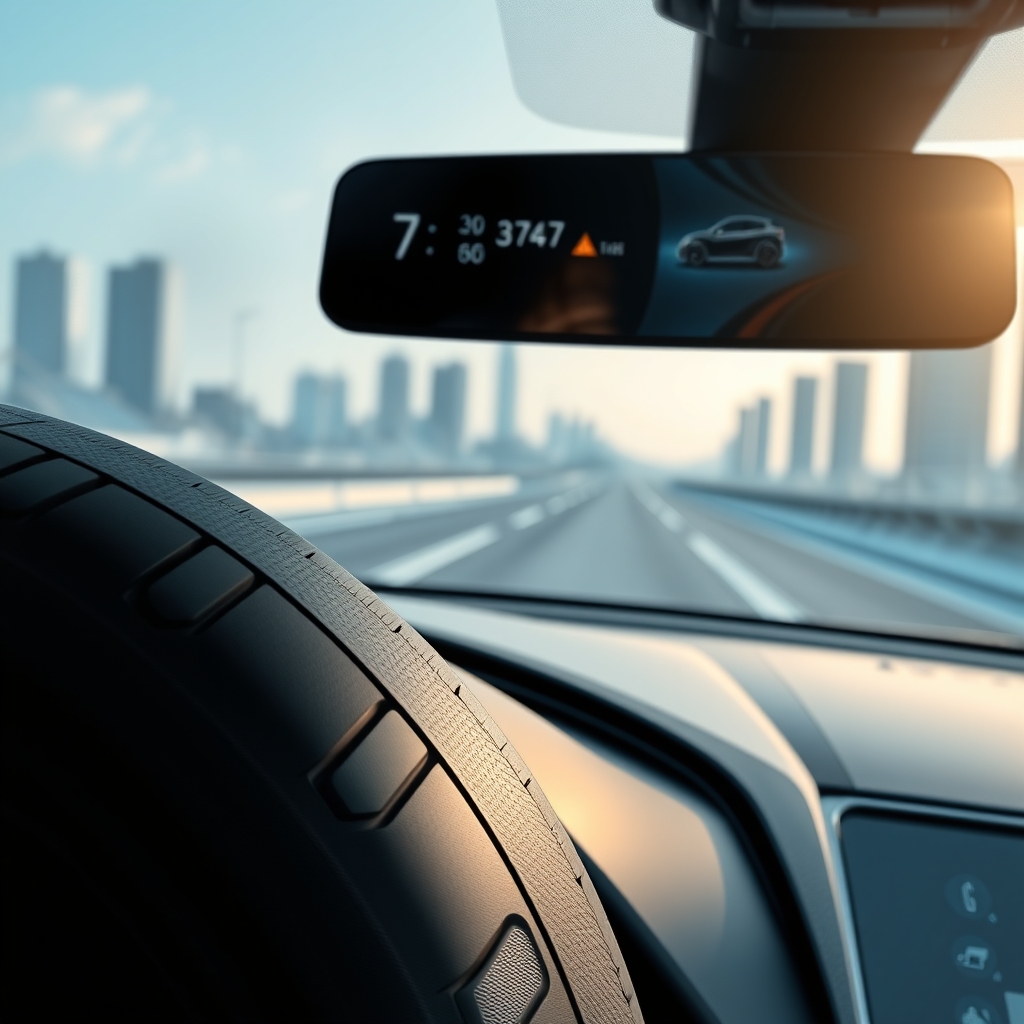
Few components of a vehicle are as critical yet as often overlooked as the tires. They are the only point of contact between the car and the road, bearing the weight of the vehicle, its passengers, and the forces generated during acceleration, braking, and cornering. Yet, despite their importance, tires—and more specifically, their pressure—rarely receive the attention they deserve. That is, until something goes wrong. A sudden blowout on the highway or uneven wear leading to poor handling can turn a routine drive into a dangerous situation. This is where Automotive Tire Pressure Monitoring Systems (TPMS) step in, acting as silent guardians that ensure optimal performance, safety, and efficiency.
The Science Behind the Silence
At its core, a TPMS is a sophisticated network of sensors, transmitters, and onboard computers designed to monitor the air pressure inside a vehicle’s tires in real time. These systems can be categorized into two primary types: direct TPMS and indirect TPMS. Direct TPMS uses physical pressure sensors mounted inside each tire, which transmit data wirelessly to the vehicle’s central computer. Indirect TPMS, on the other hand, relies on the vehicle’s anti-lock braking system (ABS) to infer tire pressure by analyzing wheel speed and rotation patterns. While indirect systems are generally less expensive, direct TPMS offers greater accuracy and the ability to provide individual tire readings.
The technology behind TPMS is rooted in the fundamental principles of physics and engineering. Tire pressure directly affects a tire’s contact patch—the area of the tire that touches the road. When pressure is too low, the contact patch increases, leading to excessive heat buildup, uneven wear, and reduced fuel efficiency. Conversely, overinflated tires reduce the contact patch, compromising grip and handling, particularly in wet or slippery conditions. By maintaining optimal pressure, TPMS ensures that the contact patch remains within the manufacturer’s specified range, balancing performance, safety, and longevity.
The Safety Imperative
The introduction of TPMS was not merely a technological advancement but a response to a pressing safety concern. According to the National Highway Traffic Safety Administration (NHTSA), underinflated tires contribute to over 600 fatalities and 33,000 injuries annually in the United States alone. These statistics underscore the critical role that proper tire maintenance plays in road safety. TPMS acts as an early warning system, alerting drivers to potential issues before they escalate into hazardous situations. A sudden drop in pressure, for instance, could indicate a puncture or slow leak, allowing the driver to take corrective action before a blowout occurs.
Beyond preventing accidents, TPMS also enhances vehicle stability and handling. Modern systems are often integrated with other advanced driver-assistance systems (ADAS), such as electronic stability control (ESC) and traction control. By providing real-time data on tire pressure, TPMS enables these systems to make more accurate adjustments, improving overall vehicle dynamics. For example, in a sudden evasive maneuver, a vehicle with properly inflated tires will respond more predictably, reducing the risk of skidding or loss of control.
The Efficiency Equation
While safety is the primary driver behind TPMS adoption, the benefits extend far beyond accident prevention. Properly inflated tires significantly improve fuel efficiency, a factor that has become increasingly important in an era of rising fuel costs and environmental concerns. The U.S. Department of Energy estimates that underinflated tires can lower gas mileage by up to 0.2% for every 1 psi drop in pressure. For a vehicle that averages 25 miles per gallon, this can translate to an additional 100 gallons of fuel consumed over the course of a year—an unnecessary expense and environmental burden.
TPMS also plays a crucial role in extending tire lifespan. Tires that are consistently underinflated or overinflated wear unevenly, leading to premature replacement. By maintaining optimal pressure, TPMS helps ensure that tires wear evenly, maximizing their lifespan and reducing the frequency of replacements. This not only saves money for consumers but also reduces the environmental impact of tire production and disposal. In an industry increasingly focused on sustainability, TPMS is a small but significant step toward reducing waste and resource consumption.
The Future of TPMS: Smarter, Faster, More Connected
As automotive technology continues to evolve, so too does TPMS. The next generation of these systems is poised to be even more intelligent and integrated, leveraging advancements in Internet of Things (IoT) and vehicle-to-everything (V2X) communication. Future TPMS could, for example, communicate with smart infrastructure to provide real-time updates on road conditions, such as temperature or surface friction, allowing the system to adjust tire pressure recommendations dynamically. Imagine a scenario where your vehicle automatically increases tire pressure when transitioning from a smooth highway to a rough, unpaved road, optimizing comfort and performance without any input from the driver.
Another exciting development is the integration of TPMS with predictive maintenance systems. By analyzing historical data on tire pressure, temperature, and wear patterns, these systems could predict when a tire is likely to fail or require replacement, allowing drivers to address issues proactively. This not only enhances safety but also reduces downtime and maintenance costs, particularly for fleet operators who rely on their vehicles for business.
The Human Factor
Despite the clear benefits of TPMS, its effectiveness ultimately depends on driver awareness and response. A system is only as good as the actions it prompts, and studies have shown that many drivers ignore or dismiss TPMS warnings, particularly if they perceive them as false alarms. This highlights the need for better education and user-friendly interfaces that clearly communicate the importance of maintaining proper tire pressure. Manufacturers are increasingly focusing on designing intuitive dashboards and mobile apps that provide drivers with actionable insights, such as the exact pressure in each tire and step-by-step instructions for addressing issues.
Moreover, TPMS is not a substitute for regular tire maintenance. While these systems provide real-time monitoring, they should complement—not replace—manual checks. Drivers should still inspect their tires visually for signs of damage, such as cuts, bulges, or embedded objects, and use a reliable pressure gauge to verify readings periodically. After all, technology is a tool, and its effectiveness depends on how it is used.
As vehicles become more connected, autonomous, and efficient, the role of TPMS will only grow in importance. What was once a simple warning light on the dashboard has evolved into a sophisticated system that enhances safety, performance, and sustainability. It is a reminder that even the smallest components of a vehicle can have a profound impact on the driving experience. The next time you hit the road, take a moment to appreciate the silent guardian working tirelessly to keep you safe—one psi at a time.
About the Author