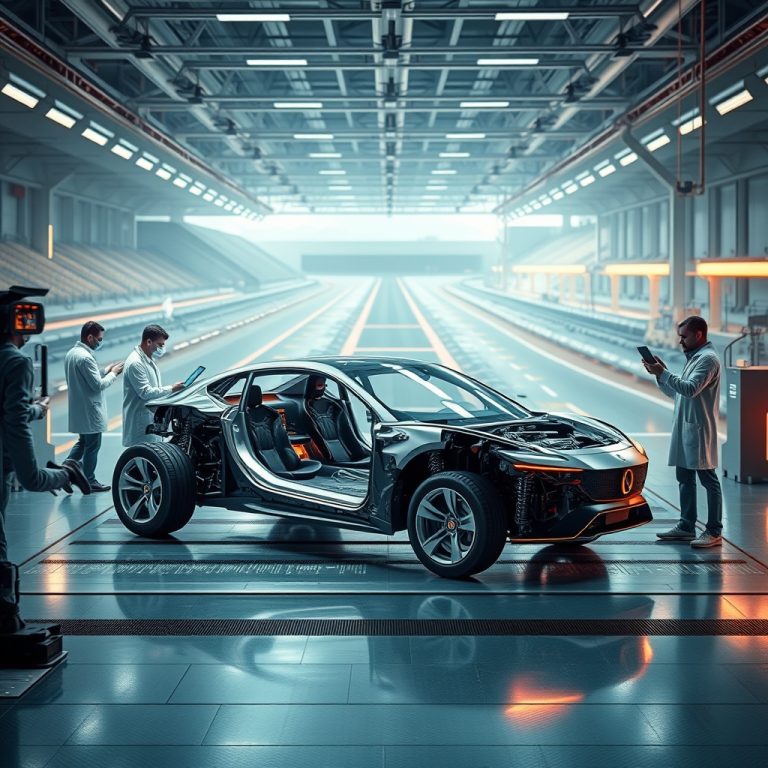

The automotive industry has long been a symbol of innovation, power, and progress. Yet, as the world grapples with the pressing challenges of climate change and environmental degradation, the sector is undergoing a profound transformation. No longer is performance measured solely by horsepower or speed; today, sustainability is the new benchmark of excellence. From the materials used in manufacturing to the energy consumed in production, automakers are reimagining every facet of their operations to align with a greener, more responsible future.
The Drive Toward Eco-Friendly Materials
One of the most significant shifts in automotive manufacturing is the adoption of sustainable materials. Traditional components like steel and plastic, while durable, come with a heavy environmental cost. Steel production, for instance, is one of the largest industrial sources of carbon emissions, while plastic waste continues to plague ecosystems worldwide. In response, automakers are turning to alternatives that reduce environmental impact without compromising quality or safety.
Recycled aluminum and carbon fiber are gaining traction as lightweight, high-strength substitutes for steel. Aluminum, in particular, is infinitely recyclable, requiring just 5% of the energy needed to produce primary aluminum. Meanwhile, natural fibers like flax, hemp, and kenaf are being integrated into interior components, offering a renewable and biodegradable alternative to synthetic materials. Even innovative solutions like mycelium-based leather—grown from fungal roots—are making their way into vehicle interiors, providing a cruelty-free and low-impact option for luxury finishes.
The Role of Circular Economy in Automotive Manufacturing
The concept of a circular economy—where materials are reused, recycled, or repurposed to minimize waste—is reshaping automotive production. Automakers are increasingly designing vehicles with end-of-life considerations in mind, ensuring that components can be easily disassembled and recycled. This approach not only reduces landfill waste but also lowers the demand for raw materials, cutting both costs and environmental harm.
For example, BMW’s iVision Circular concept car is a testament to this philosophy. The vehicle is constructed entirely from recycled or renewable materials, with a focus on modularity and ease of disassembly. Similarly, Ford has committed to using 100% recycled ocean plastics in certain vehicle components, turning a global environmental problem into a sustainable solution. These initiatives highlight how the industry is moving beyond mere compliance with regulations to embrace a more holistic, eco-conscious mindset.
Energy Efficiency in Production: Powering the Future Responsibly
Sustainability in automotive manufacturing extends beyond materials—it also encompasses the energy used in production. Factories are some of the largest consumers of electricity and natural resources, but advancements in renewable energy and energy-efficient technologies are changing the game. Solar panels, wind turbines, and even hydrogen fuel cells are being integrated into manufacturing plants to reduce reliance on fossil fuels.
Volkswagen’s Chattanooga plant in Tennessee, for instance, is powered entirely by renewable energy, including a nearby solar farm that generates enough electricity to produce over 12,000 vehicles annually. Meanwhile, Tesla’s Gigafactories are designed to operate on 100% renewable energy, with solar roofs and battery storage systems ensuring a consistent, sustainable power supply. These efforts not only reduce carbon footprints but also set a new standard for industrial energy consumption.
Water Conservation: A Hidden but Critical Challenge
Water is another critical resource in automotive manufacturing, used extensively in painting, cooling, and assembly processes. Traditional manufacturing methods can consume millions of gallons of water annually, straining local ecosystems and communities. To address this, automakers are implementing water recycling systems, closed-loop processes, and even drought-resistant technologies to minimize usage.
Toyota, for example, has reduced water consumption in its plants by over 30% through the use of rainwater harvesting and advanced filtration systems. Similarly, General Motors has committed to reducing water intensity by 20% by 2030, leveraging innovative technologies like air-cooled condensers and waterless cleaning methods. These measures demonstrate that sustainability in automotive manufacturing is not just about carbon emissions—it’s about conserving every resource, no matter how seemingly abundant.
The Consumer’s Role in the Green Shift
While automakers are leading the charge in sustainable manufacturing, consumers also play a pivotal role in driving this transformation. As awareness of environmental issues grows, so does the demand for eco-friendly vehicles and practices. Buyers are increasingly prioritizing sustainability in their purchasing decisions, opting for brands that align with their values. This shift in consumer behavior is pushing automakers to accelerate their green initiatives, creating a positive feedback loop that benefits both the industry and the planet.
Moreover, the rise of electric vehicles (EVs) is a direct response to consumer demand for cleaner transportation. EVs produce zero tailpipe emissions, and when charged with renewable energy, their environmental impact is significantly lower than that of traditional internal combustion engines. As battery technology improves and charging infrastructure expands, EVs are becoming a viable and attractive option for a growing number of drivers, further solidifying the link between sustainability and automotive innovation.
The automotive industry’s journey toward sustainability is far from over, but the progress made so far is undeniable. By embracing eco-friendly materials, circular economy principles, renewable energy, and water conservation, automakers are not only reducing their environmental impact but also redefining what it means to be a leader in the 21st century. This green shift is more than a trend—it’s a fundamental reimagining of how vehicles are designed, built, and powered. As technology advances and consumer expectations evolve, the road ahead promises to be one where performance and sustainability drive side by side, steering the industry toward a cleaner, greener future.
About the Author