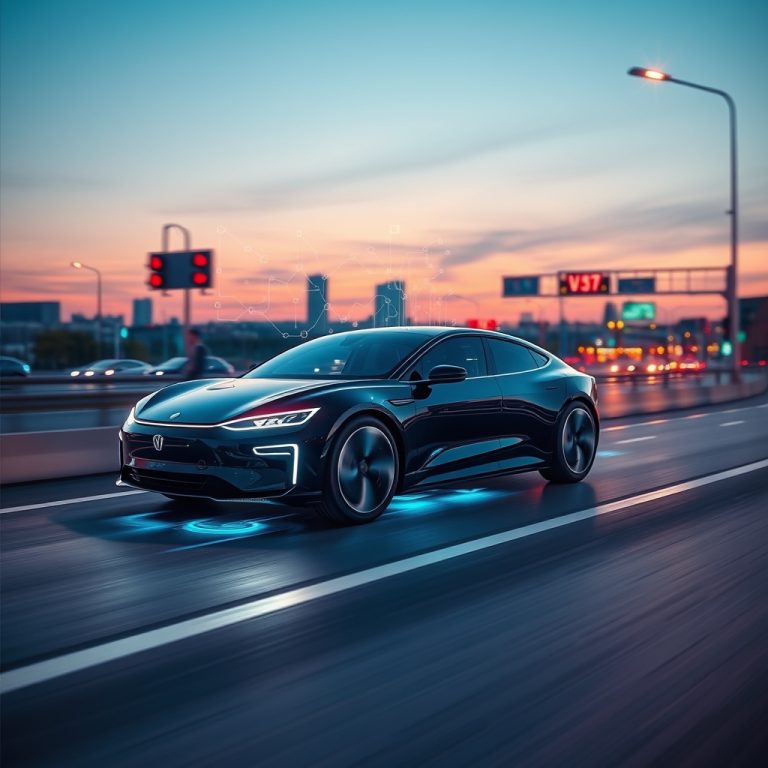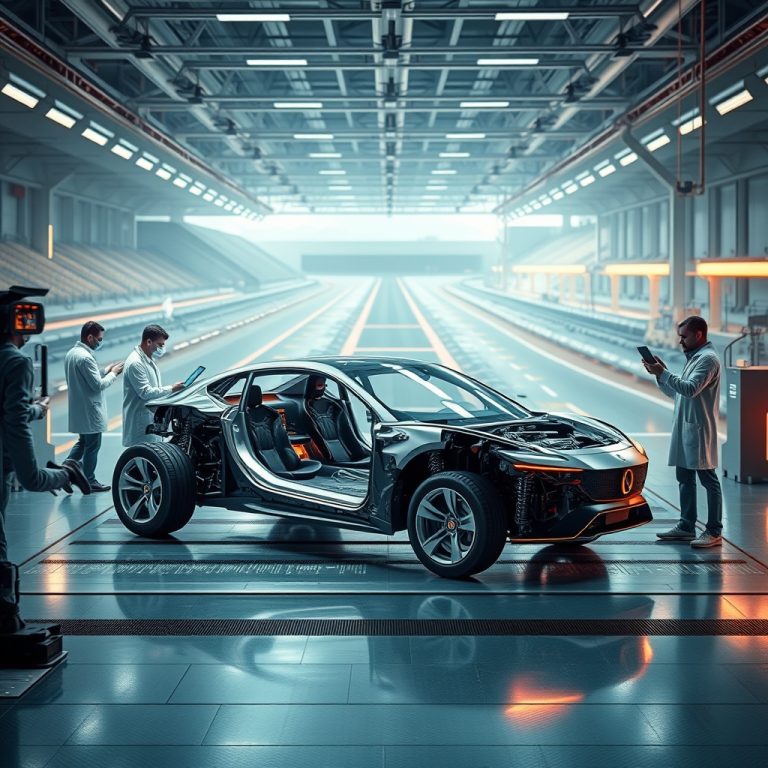
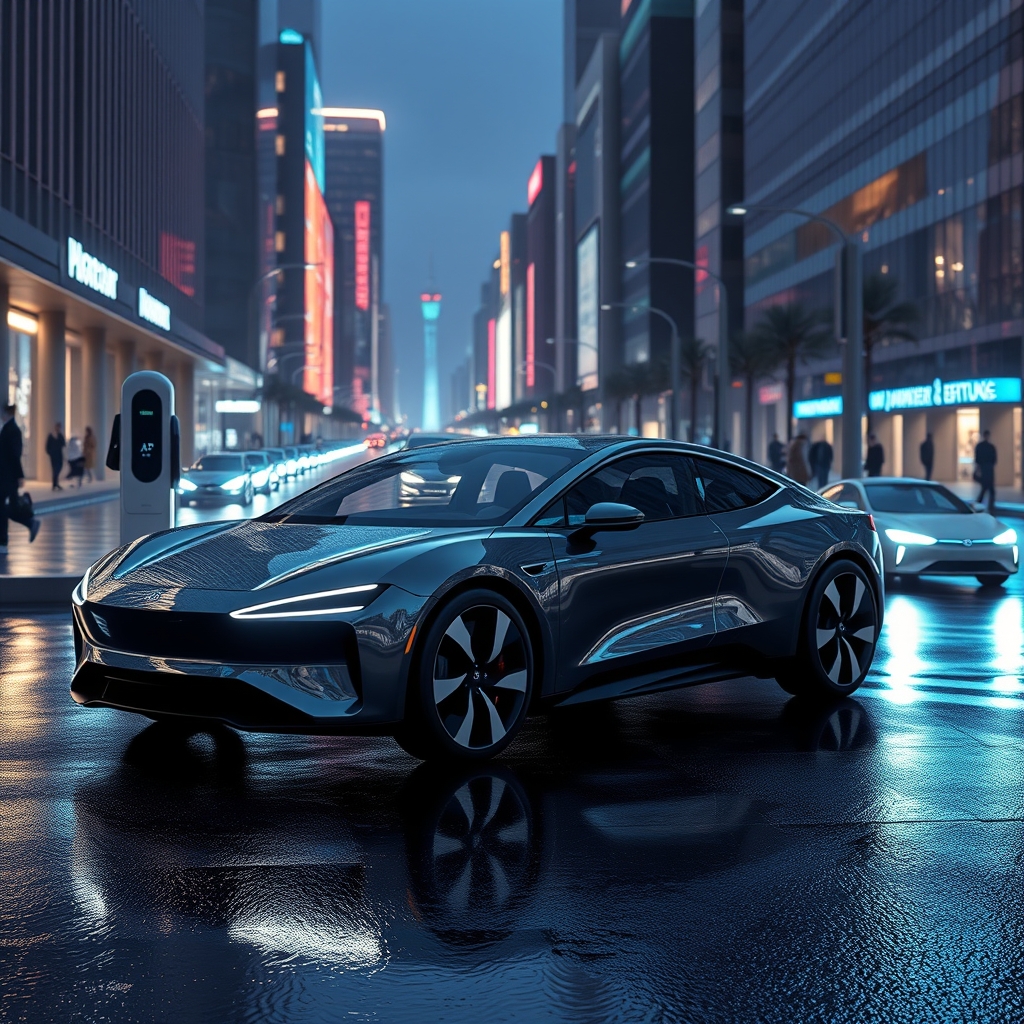
The automotive industry is undergoing a transformation unlike any other in its history. From the early days of the Model T to the sleek, high-tech vehicles of today, cars have always been a symbol of progress. But now, the pace of change is accelerating, driven by advancements in technology that are reshaping not just how we drive, but how we think about transportation itself. The road ahead is paved with innovation, and those who embrace it will lead the charge into a new era of mobility.
The Rise of Electric Vehicles: Powering a Sustainable Future
Electric vehicles (EVs) are no longer a niche market—they are the future. With governments around the world setting ambitious targets to phase out internal combustion engines, automakers are racing to develop EVs that are not only environmentally friendly but also practical and desirable. The shift to electric is not just about reducing emissions; it’s about reimagining the entire driving experience. Batteries are becoming more efficient, charging times are decreasing, and ranges are extending, making EVs a viable option for more drivers than ever before.
But the transition to electric is not without its challenges. Infrastructure remains a hurdle, with charging stations still unevenly distributed in many regions. However, companies and governments are investing heavily in expanding this network, ensuring that drivers can power up as easily as they fill up a gas tank. The rise of EVs is also sparking innovation in battery technology, with solid-state batteries on the horizon promising even greater efficiency and safety.
Autonomous Driving: The Next Frontier of Mobility
Self-driving cars once seemed like science fiction, but they are now a reality, albeit in limited forms. Autonomous driving technology is evolving rapidly, with companies like Tesla, Waymo, and traditional automakers testing and refining their systems. The potential benefits are enormous: reduced accidents caused by human error, increased mobility for those unable to drive, and more efficient use of road space. Yet, the path to fully autonomous vehicles is complex, involving not just technological hurdles but also regulatory and ethical considerations.
One of the biggest challenges is ensuring that autonomous systems can handle the unpredictability of real-world driving. While AI has made tremendous strides in recognizing objects and making split-second decisions, there are still scenarios where human intuition and judgment are irreplaceable. As the technology matures, we can expect to see more semi-autonomous features, such as advanced driver-assistance systems (ADAS), becoming standard in new vehicles, paving the way for a future where cars drive themselves.
Connectivity and the Smart Car Revolution
The modern car is no longer just a mode of transportation—it’s a connected device on wheels. Today’s vehicles are equipped with advanced infotainment systems, real-time navigation, and even the ability to communicate with other cars and infrastructure. This connectivity is transforming the driving experience, making it safer, more convenient, and more enjoyable. Features like over-the-air (OTA) updates allow automakers to improve vehicle performance and add new features long after the car has left the dealership, much like a smartphone receives software updates.
But connectivity also raises important questions about data privacy and security. As cars become more integrated with the internet, they become potential targets for cyberattacks. Automakers are investing in robust cybersecurity measures to protect both the vehicle and the driver’s personal information. The future of smart cars will depend on striking the right balance between innovation and security, ensuring that drivers can enjoy the benefits of connectivity without compromising their safety.
The Role of AI in Shaping the Automotive Industry
Artificial intelligence is at the heart of many of the automotive industry’s most exciting advancements. From designing more aerodynamic vehicles to optimizing supply chains, AI is helping automakers operate more efficiently and innovate faster. In the realm of manufacturing, AI-powered robots are improving precision and reducing waste, while predictive analytics are helping companies anticipate demand and manage inventory more effectively.
AI is also playing a crucial role in enhancing the in-car experience. Voice assistants, personalized recommendations, and adaptive cruise control are just a few examples of how AI is making driving more intuitive and enjoyable. As AI continues to evolve, we can expect even more sophisticated features, such as predictive maintenance that alerts drivers to potential issues before they become serious problems, or AI-driven route planning that considers real-time traffic, weather, and even the driver’s preferences.
The Shift Toward Shared Mobility
The way we think about car ownership is changing. With the rise of ride-sharing services like Uber and Lyft, and the growing popularity of car subscription models, more people are opting for access over ownership. This shift is driven by a desire for convenience, cost savings, and a reduced environmental footprint. Shared mobility is particularly appealing to younger generations, who prioritize experiences over possessions and are more open to alternative transportation models.
Automakers are taking notice, with many launching their own mobility services or partnering with existing providers. This trend is also fueling the development of purpose-built vehicles designed specifically for shared use, such as compact, electric cars that are easy to park and maintain. As urbanization continues to rise, shared mobility could play a key role in reducing congestion and improving the quality of life in cities around the world.
The automotive industry is at a crossroads, with technology serving as both the catalyst and the compass for its future. The innovations we’re seeing today—electric vehicles, autonomous driving, connectivity, AI, and shared mobility—are not just incremental improvements; they represent a fundamental shift in how we move from one place to another. The road ahead is filled with possibilities, and the choices we make now will shape the way we drive, live, and interact with the world for decades to come. As these technologies continue to evolve, they will not only redefine the automotive landscape but also create new opportunities for sustainability, efficiency, and human connection.
About the Author