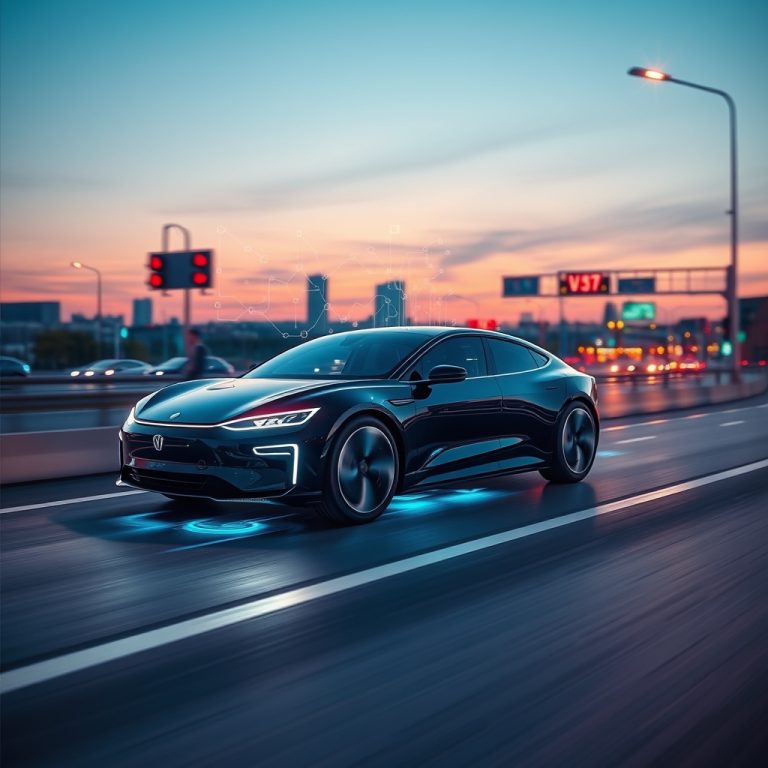
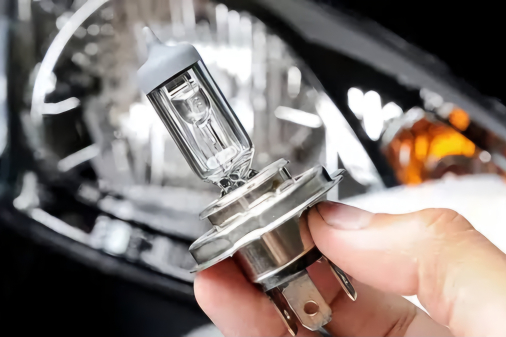
Vehicle illumination is more than aesthetic ornamentation. It is a calibrated safety system engineered to enhance visibility, communicate driver intent, and mitigate collision risk. Modern vehicles deploy a sophisticated array of lighting technologies, each optimized for specific environmental and operational contexts. Understanding automotive lamp types is therefore not merely academic. It is essential for safety, compliance, and performance optimization.
Illumination defines perception. Perception defines reaction time. Reaction time defines survival.
The Evolution of Automotive Lighting
Early automobiles relied on acetylene lamps and rudimentary incandescent bulbs. Illumination was dim, inconsistent, and vulnerable to environmental interference. Over time, halogen technology improved luminosity and durability. Subsequently, high-intensity discharge systems and light-emitting diodes transformed the lighting landscape.
Today, adaptive matrix LED systems and laser-based headlights represent the cutting edge. The trajectory has been unambiguous: brighter, more efficient, more intelligent.
This evolution contextualizes contemporary automotive lamp types, each engineered for a specific functional mandate.
Headlights: The Primary Illumination System
Headlights serve as the principal forward-facing lighting apparatus. Their role extends beyond simple illumination; they define a vehicle’s visual identity while enabling nighttime and low-visibility driving.
Halogen Headlights
Halogen bulbs remain prevalent due to affordability and ease of replacement. They generate light through a tungsten filament encased in halogen gas, which extends filament life by redepositing evaporated tungsten.
While economical, halogen systems exhibit lower luminous efficacy and higher thermal output compared to advanced alternatives.
High Intensity Discharge HID Headlights
HID systems utilize an electrical arc between electrodes within xenon gas to produce intense white-blue illumination. They offer superior brightness and broader beam distribution than halogen variants.
However, HID assemblies require ballasts and precise calibration to prevent glare. Improper alignment can impair oncoming drivers’ visibility.
LED Headlights
Light-emitting diodes represent a paradigm shift. LEDs consume less energy, generate less heat, and deliver longer operational lifespan. They also enable complex beam shaping and adaptive functionality.
Many premium vehicles incorporate matrix LED systems that dynamically adjust beam patterns to avoid dazzling other motorists while maintaining optimal road coverage.
Within the taxonomy of automotive lamp types, headlights are arguably the most technologically advanced category.
Tail Lights: Rearward Communication
While headlights illuminate the road ahead, tail lights communicate with drivers behind. Their purpose is signaling presence, braking, and directional changes.
Standard Tail Lamps
Traditional tail lamps utilize red lenses and incandescent or LED bulbs to indicate vehicle presence in low-light conditions. Visibility from a distance is crucial.
Brake Lights
Brake lights intensify in luminosity when the brake pedal is engaged, providing immediate feedback to trailing drivers. The response time of LED brake lights is notably faster than incandescent alternatives, improving reaction margins.
Center High Mounted Stop Lamps CHMSL
Often positioned at the upper rear section of the vehicle, CHMSL units add an additional layer of visibility. They reduce rear-end collision risk by providing elevated, conspicuous braking signals.
Rear lighting systems illustrate how automotive lamp types integrate communication theory with engineering precision.
Turn Signals and Hazard Indicators
Directional indicators are essential for traffic coordination. Amber illumination, standardized across most regions, minimizes confusion and enhances recognition.
Modern vehicles increasingly incorporate sequential turn signals, wherein illumination progresses laterally to indicate turning direction. This dynamic sequencing enhances perceptibility.
Hazard lights, meanwhile, activate all directional indicators simultaneously to signal distress or obstruction.
These signaling systems, though mechanically simple, are indispensable components within the broader framework of automotive lamp types.
Fog Lights: Low Visibility Specialists
Fog lights are engineered for inclement weather conditions, particularly fog, heavy rain, and snow. Positioned lower on the vehicle fascia, they emit a wide, low beam pattern that minimizes light reflection off water droplets.
Their color temperature often skews toward yellow or selective white to reduce glare and improve contrast.
Fog lamps are supplementary. They are not substitutes for headlights. Misuse can create glare and compromise safety.
Daytime Running Lights DRL
Daytime running lights increase vehicle conspicuity during daylight hours. They operate automatically when the engine starts, enhancing visibility in peripheral vision scenarios.
DRLs typically utilize LED technology due to its efficiency and durability. While they do not illuminate the road, they reduce collision probability by making vehicles more noticeable.
Within the classification of automotive lamp types, DRLs represent a preventative safety innovation rather than a visibility enhancer.
Interior Lamps and Ambient Lighting
Interior illumination serves functional and aesthetic roles. Dome lights, map lights, and footwell illumination improve usability. Ambient lighting enhances perceived luxury.
LED strips and customizable color schemes have transformed interior lighting into a design differentiator. Some systems synchronize with infotainment interfaces, adjusting hue and intensity based on driving mode.
Though less critical to roadway safety, interior lighting contributes to ergonomic comfort and brand identity.
Adaptive and Intelligent Lighting Systems
Advanced driver assistance technologies have permeated lighting design. Adaptive headlights swivel in synchronization with steering input, illuminating curves before the vehicle completes its trajectory.
Automatic high beam systems toggle between high and low beams based on traffic detection. Matrix LEDs selectively deactivate individual diodes to prevent glare for oncoming drivers.
Laser headlights, currently limited to high-end vehicles, project concentrated beams with extraordinary range and clarity.
These innovations redefine traditional automotive lamp types, merging optics with sensor-driven intelligence.
Regulatory Compliance and Standardization
Automotive lighting is subject to stringent regulatory frameworks. Beam patterns, luminosity thresholds, and color standards are codified to ensure uniformity and safety.
Non-compliant modifications—such as excessively bright aftermarket bulbs—can produce hazardous glare and legal penalties.
Understanding regulatory parameters is integral to responsible selection among automotive lamp types.
Energy Efficiency and Environmental Considerations
Lighting systems contribute to overall energy consumption. LEDs significantly reduce power draw compared to halogen and HID systems. This reduction supports fuel efficiency in internal combustion vehicles and extends range in electric vehicles.
Lower energy consumption also translates to reduced alternator strain and improved component longevity.
Sustainability considerations increasingly influence lighting technology adoption.
Maintenance and Replacement Factors
Lamp longevity varies by technology. Halogen bulbs may require replacement every few years, while LED assemblies can last the vehicle’s operational lifetime.
However, LED replacement often involves replacing the entire assembly rather than a simple bulb, increasing cost.
Proper alignment and regular inspection are critical. Misaligned headlights reduce visibility and create glare hazards.
Maintenance practices directly influence the effectiveness of various automotive lamp types.
Aesthetic and Design Integration
Lighting has become a signature design element. Distinctive LED signatures differentiate brands and model lines. Thin, sculptural light bars and intricate lens geometries convey modernity.
Design integration must not compromise function. Aerodynamics, thermal dissipation, and structural integrity intersect with aesthetic ambition.
In contemporary automotive design, lighting is both a safety mechanism and a branding instrument.
Automotive lighting systems have evolved from rudimentary flame-based illumination to sensor-integrated, adaptive digital architectures. Each category—headlights, tail lights, turn signals, fog lamps, daytime running lights, and interior illumination—serves a distinct and indispensable purpose.
Understanding automotive lamp types enables informed decision-making regarding safety, efficiency, and compliance. It clarifies why LED and adaptive systems dominate modern engineering strategies. It also underscores the importance of maintenance and regulatory adherence.
Illumination is not merely about brightness. It is about precision, communication, and environmental adaptability. In the hierarchy of vehicular safety systems, lighting occupies a foundational position.
Visibility precedes control. Control precedes safety. And safety begins with light.
About the Author