
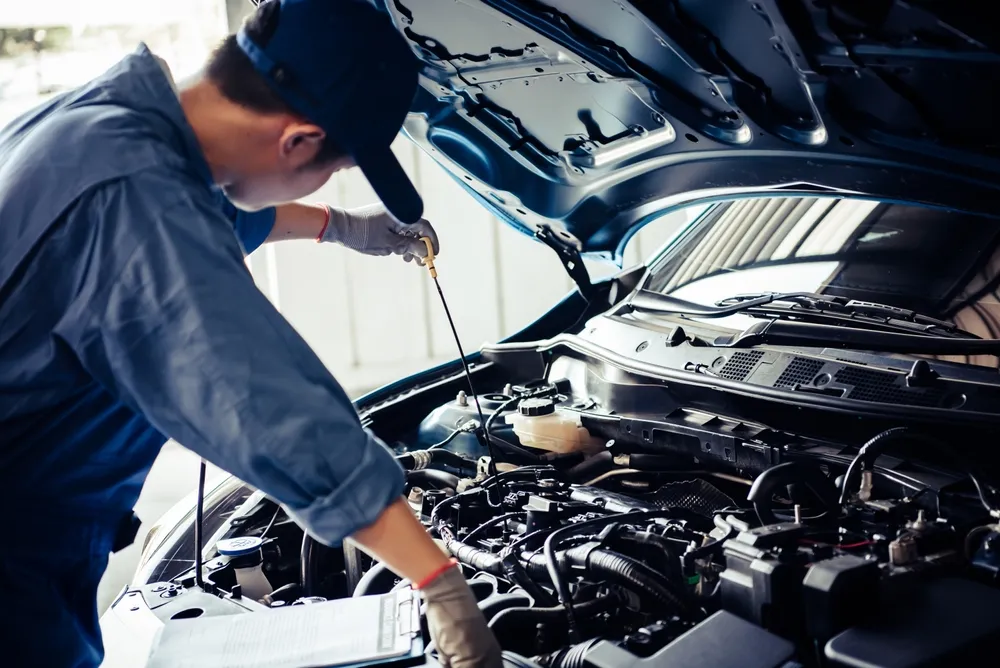
Maintaining a vehicle in optimal condition requires more than occasional servicing; it demands consistent attention, proactive care, and a basic understanding of mechanical systems. Every car owner, whether novice or experienced, can benefit from foundational automotive repair tips that extend the lifespan of their vehicle, enhance safety, and minimize unexpected repair costs.
Automotive repair is often perceived as a complex and technical field reserved for professional mechanics. However, with proper knowledge, vehicle owners can identify potential issues early, perform basic maintenance, and communicate more effectively with service professionals. Understanding the principles behind automotive repair tips empowers owners to make informed decisions and preserve the integrity of their vehicles.
Understanding the Basics of Vehicle Maintenance
A fundamental principle of automotive care is the recognition that preventive maintenance is always more cost-effective than reactive repairs. Routine inspections, fluid checks, and timely servicing mitigate the risk of major malfunctions.
Key areas of focus include engine performance, transmission health, braking systems, suspension integrity, and electrical components. A systematic approach to maintenance ensures that each subsystem of the vehicle operates harmoniously, reducing wear and tear and avoiding costly repairs.
Regular Engine and Fluid Checks
The engine is the heart of any vehicle, and proper maintenance is critical for longevity. Regular oil changes, adhering to manufacturer recommendations, ensure lubrication, reduce friction, and prevent overheating. Checking coolant levels, brake fluid, and transmission fluid prevents system failures and maintains optimal performance.
Observing fluid color and consistency can indicate potential problems. For example, discolored or metallic-laden oil may signal internal engine wear, while foamy or discolored coolant might indicate leaks or contamination. These subtle cues, often overlooked, are foundational automotive repair tips for proactive vehicle owners.
Tire Maintenance and Alignment
Tires are the primary interface between a vehicle and the road, and proper care ensures both safety and efficiency. Regular inspection for tread wear, pressure, and alignment prevents accidents and enhances fuel economy.
Rotating tires every 5,000–7,000 miles promotes even wear, while alignment checks ensure proper steering response and prevent premature suspension damage. Additionally, maintaining appropriate tire pressure according to manufacturer specifications reduces rolling resistance and optimizes braking performance.
Braking System Vigilance
The braking system is one of the most critical safety components of a vehicle. Routine inspection of brake pads, rotors, and fluid levels prevents catastrophic failure and enhances control in emergency situations.
Squealing, grinding, or pulsating sensations during braking are indicators of potential issues requiring immediate attention. Adhering to these preventive measures forms a core aspect of automotive repair tips, emphasizing safety and reliability over cost-cutting shortcuts.
Battery Care and Electrical Systems
Vehicle batteries and electrical systems often degrade gradually, leading to unexpected failures. Regular inspection of battery terminals for corrosion, ensuring secure connections, and monitoring voltage levels can prevent sudden breakdowns.
Fuses, relays, and wiring should also be checked periodically. Subtle signs, such as dimming lights, inconsistent dashboard indicators, or difficulty starting the engine, may signal electrical anomalies that require early intervention. Addressing these issues promptly avoids expensive repairs and ensures reliable operation.
Suspension and Steering Checks
Suspension and steering systems influence ride quality, handling, and safety. Uneven tire wear, pulling to one side, or unusual vibrations can indicate suspension misalignment or worn components.
Regular inspections of shocks, struts, ball joints, and tie rods maintain stability and responsiveness. Neglecting these systems can exacerbate wear on tires, compromise braking efficiency, and increase the risk of accidents. Including suspension assessments in routine maintenance aligns with advanced automotive repair tips for holistic vehicle care.
Transmission Maintenance
The transmission is a complex and essential component of vehicle performance. Regular fluid checks and timely servicing prevent overheating, slippage, and costly mechanical failures.
Automatic transmissions often require fluid changes every 30,000–60,000 miles, while manual transmissions demand clutch inspection and lubrication monitoring. Observing changes in shifting behavior, unusual noises, or delayed engagement provides early warning signs of potential transmission issues.
Recognizing Warning Signs
Modern vehicles are equipped with sophisticated sensors and diagnostic systems that alert owners to potential problems. Dashboard indicators, unusual sounds, vibrations, and changes in vehicle behavior are all early warning signals that warrant investigation.
Ignoring warning signs can escalate minor issues into major repairs. Understanding common symptoms, such as check engine lights, oil pressure warnings, or ABS alerts, empowers car owners to act swiftly, preventing costly and hazardous outcomes.
Utilizing Diagnostic Tools
Basic diagnostic tools, such as OBD-II scanners, allow owners to access error codes and monitor vehicle systems in real-time. These devices provide insights into engine performance, emissions, and electronic components.
Employing such tools enhances the effectiveness of automotive repair tips, enabling owners to identify issues early, understand underlying causes, and communicate accurately with professional mechanics. Knowledge of diagnostic processes bridges the gap between technical complexity and practical maintenance.
DIY vs. Professional Repairs
While basic maintenance tasks—such as oil changes, air filter replacement, and tire rotations—can be performed by vehicle owners, complex repairs should be entrusted to certified professionals.
Attempting intricate repairs without expertise can exacerbate damage and void warranties. Understanding the limits of personal skill and recognizing when professional intervention is required is a cornerstone principle in advanced automotive repair tips.
Seasonal Maintenance Considerations
Environmental conditions influence vehicle performance and maintenance needs. Winter requires attention to antifreeze levels, tire traction, and battery capacity, while summer necessitates monitoring cooling systems and air conditioning efficiency.
Seasonal inspections prevent climate-related malfunctions, reduce wear, and ensure consistent vehicle reliability throughout the year. Incorporating weather-specific maintenance schedules into routine care enhances safety and longevity.
Fuel System and Exhaust Care
Fuel quality, filter condition, and exhaust system integrity directly affect engine performance and emissions. Regular fuel system inspections, including cleaning injectors and replacing fuel filters, optimize combustion efficiency.
Monitoring the exhaust system for leaks, rust, or unusual noise ensures compliance with environmental regulations and prevents hazardous fumes from entering the cabin. Attention to these components reflects a comprehensive understanding of automotive repair tips for conscientious vehicle owners.
Documentation and Maintenance Records
Keeping detailed maintenance records serves multiple purposes: it tracks completed repairs, schedules future servicing, and provides proof of care for resale or warranty claims.
Documentation should include service dates, parts replaced, fluid changes, and inspection notes. Organized records facilitate informed decisions and enhance credibility when interacting with mechanics, dealerships, or potential buyers.
Safety Precautions
Vehicle maintenance and repair inherently involve physical risks. Proper safety measures—including protective gear, secure vehicle jacks, and adherence to manufacturer guidelines—are essential.
Disconnecting the battery before electrical work, avoiding working under unstable vehicles, and using appropriate tools prevent accidents. Incorporating safety practices into regular maintenance routines ensures personal well-being and preserves vehicle integrity.
Staying Informed and Educated
The automotive industry is continually evolving, with new technologies, materials, and systems emerging regularly. Staying informed through manuals, reputable online resources, and automotive communities empowers owners to apply effective automotive repair tips and adapt to innovations such as hybrid systems, advanced driver-assistance technologies, and electric vehicle maintenance.
Continuous education enhances diagnostic capabilities, fosters proactive care, and strengthens collaboration with service professionals, ultimately improving vehicle longevity and performance.
Proper vehicle maintenance is an ongoing responsibility that extends beyond simple repairs. By following essential automotive repair tips, car owners can enhance performance, increase safety, and prevent costly malfunctions. From engine and fluid management to tire care, electrical systems, suspension, and seasonal considerations, comprehensive attention to all aspects of vehicle operation is imperative.
Understanding the principles behind preventive maintenance, recognizing warning signs, utilizing diagnostic tools, and knowing when to engage professional services ensures a proactive approach to automotive care. Additionally, maintaining records, observing safety protocols, and staying educated about emerging technologies create a holistic framework for responsible vehicle ownership.
Ultimately, effective automotive maintenance combines knowledge, vigilance, and strategic planning. By implementing these expert automotive repair tips, car owners safeguard their investment, enjoy optimal vehicle performance, and navigate the complexities of automotive systems with confidence and assurance.
About the Author